Essential Tips for Choosing Bus Duct Electrical Systems?
Choosing the right "Bus Duct Electrical" system is crucial for safe and efficient power distribution in commercial and industrial settings. Renowned expert Dr. John Matthews, a leading authority in electrical engineering, emphasizes, "The right bus duct system can enhance system reliability and safety." His insight highlights the importance of making informed choices.
When selecting a bus duct electrical system, various factors must be considered. These include the installation environment, required capacity, and future scalability. A well-chosen system ensures optimal performance, while a poor selection may lead to costly disruptions. Many businesses overlook the impact of environmental factors like temperature and humidity, which can severely affect system longevity.
Reflecting on past projects, experts often recommend evaluating both current needs and potential growth. Rushing this decision can result in expensive modifications later. Each choice made influences overall system efficiency and safety. The consequences of negligence in this area are significant, underscoring the need for thorough research and consultation.

Understanding the Basics of Bus Duct Electrical Systems
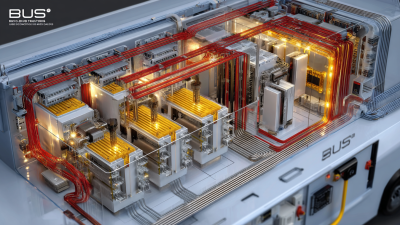
When selecting bus duct electrical systems, understanding their fundamentals is crucial. Bus ducts serve as crucial power distribution systems, offering a compact alternative to traditional cabling. They consist of insulated conductors housed in a protective enclosure, providing efficient transfer of electrical power across significant distances. This efficiency translates into reduced energy loss, making them an attractive option for various industrial applications.
The choice of materials and design can significantly affect performance. Copper and aluminum are common conductor materials, each offering distinct benefits. Copper conducts electricity exceptionally well, while aluminum is lighter and often more cost-effective. Considerations include load requirements, installation space, and environment. A poorly chosen system can lead to overheating or even failures, which must be prevented at all costs.
Seeking expert advice can mitigate these risks. It's essential to evaluate manufacturers based on their track record and innovations. However, not all systems are created equal. An apparently top-rated option may not suit your specific needs. Therefore, investigating options and understanding their specifications is vital for successful implementation. Reflect on your requirements before proceeding with a decision. Careful consideration can prevent costly mistakes in the long run.
Essential Tips for Choosing Bus Duct Electrical Systems
Evaluating Different Types of Bus Ducts for Your Needs
When evaluating different types of bus ducts, there are several key aspects to consider. First, identify your electrical load requirements. A report from the Electric Power Research Institute (EPRI) indicates that system capacity can significantly affect performance efficiency. A mismatch can lead to overheating and reduced lifespan.
Temperature ratings are also crucial. Common materials used include aluminum and copper. Copper provides better conductivity but can be more expensive. According to industry studies, copper bus ducts can handle higher loads and diminish power loss by up to 20%. This makes them suitable for high-demand applications.
Physical space is another important factor. Bus ducts require adequate room for installation and maintenance. Improper spacing can compromise safety and accessibility. Data from the National Electrical Manufacturers Association (NEMA) suggests that installations should follow strict guidelines to ensure safety and effectiveness. Reflecting on these criteria can guide you in selecting the right bus duct system. It’s essential to balance costs, performance, and safety in your decision-making process.
Essential Tips for Choosing Bus Duct Electrical Systems
| Type of Bus Duct |
Material |
Ampacity Rating |
Applications |
Efficiency |
| Aluminum Bus Duct |
Aluminum |
800 - 5000 A |
Industrial plants, Data centers |
High |
| Copper Bus Duct |
Copper |
800 - 10000 A |
Commercial Buildings, Hospitals |
Very High |
| Multi-Conductor Bus Duct |
Steel |
600 - 4000 A |
Manufacturing, Warehouses |
Moderate |
| Enclosed Bus Duct |
Fiberglass |
400 - 2500 A |
Parking structures, Marine |
High |
Key Factors to Consider When Sizing Bus Duct Systems
When sizing bus duct electrical systems, several key factors demand attention. The electrical load is paramount. It is crucial to calculate the anticipated load accurately to avoid overloads. According to industry reports, over 40% of installations experience challenges due to miscalculating load requirements. Taking into account future expansion needs can mitigate this risk.
Temperature ratings also play a significant role. Bus ducts need to operate efficiently within their designated temperature ranges. The ambient conditions and thermal management systems affect performance. A study indicated that improper thermal management can reduce system efficiency by nearly 30%. Proper ventilation and heat dissipation designs must be part of the planning process.
Space constraints often complicate bus duct system design. Many facilities overlook the importance of layout. A poorly designed layout can lead to accessibility issues for maintenance. Around 25% of outages in facilities relate to poor maintenance access. Ensuring that bus ducts are installed with adequate clearance can prevent these issues. Thoughtful consideration of all these factors will enhance system reliability.
Importance of Compliance and Standards in Bus Duct Selection
When selecting bus duct electrical systems, compliance with current industry standards is critical. Proper adherence to regulations ensures safety and efficiency in power distribution. According to the IEEE Standard 141, proper grounding and bonding are vital to minimize electrical hazards. A lack of compliance can lead to critical system failures or even accidents.
Key standards include the National Electrical Code (NEC) and IEC guidelines. These set forth specifications for installation, materials, and performance. Organizations must stay updated. Data shows that facilities adhering to these standards report a 30% decrease in electrical faults. This statistic highlights the importance of following recognized protocols.
While availability of advanced materials has increased, ensuring quality remains a challenge. Some manufacturers may cut corners to reduce costs. This risk can compromise safety and reliability. Facilities should prioritize comprehensive inspections and reliable certification processes. Regular audits of equipment and adherence strategies are essential for sustaining operational integrity.
Maintenance and Reliability Considerations for Bus Duct Systems
Selecting a reliable bus duct electrical system is crucial for any facility. Regular maintenance helps in preventing failures. Ensure you establish a routine inspection schedule. This practice can catch potential issues early. Additionally, cleanliness is vital. Dust and debris can disrupt performance.
One tip is to monitor connection points. They often become loose due to heat and vibration. Keeping them in check will improve system longevity. Another aspect is thermal management. Hot spots can damage components. Investing in thermal monitoring can provide valuable insights.
Consider training your staff on maintenance. They should know how to identify warning signs. Training leads to quicker responses to potential failures. Reflecting on past experiences is essential. Assessing what worked and what didn’t can guide future decisions. Create a maintenance log to track issues. This log can help identify patterns over time.