Top 10 Bus Duct Installation Tips for Global Buyers
In today's ever-evolving electrical infrastructure, effective Bus Duct installations are crucial. Industry expert John Smith, a seasoned engineer with over 20 years in the field, once remarked, "Proper installation of Bus Ducts can prevent costly downtime." Understanding this need is vital for global buyers aiming to optimize performance and safety in large-scale projects.
Bus Duct systems provide efficient power distribution, yet their installation can be complex. Attention to detail is paramount. Buyers must consider factors such as load capacity and environmental conditions. A simple oversight could lead to significant issues. The challenges of installation often foil even seasoned professionals.
Each installation site is unique. Therefore, adapting to specific requirements matters greatly. Rigid adherence to standard procedures is not always the best approach. Flexibility and knowledge of local conditions are key. Reflecting on past experiences can lead to better practices. The complexity of Bus Duct systems demands continuous learning and improvement from all involved in the process.

Understanding Bus Duct Systems and Their Applications
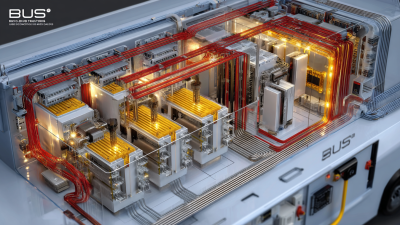
Bus duct systems play a crucial role in modern electrical distribution. They efficiently transport electricity across extensive distances within industrial and commercial settings. These systems consist of metal housing containing conductors, providing a safer alternative to traditional wiring.
Understanding applications is essential for global buyers. Bus ducts are commonly used in manufacturing plants, data centers, and large commercial complexes. Their design allows for easy installation and flexibility in layout changes. Buyers should note that installation can be complex. Proper planning is vital, as mistakes can lead to costly revisions.
It's important to understand local regulations regarding installation. Familiarizing yourself with these rules can prevent delays. Engaging with experienced professionals can help navigate potential challenges. Every installation project presents unique obstacles. Reflection on past projects can enhance future installations.
Selecting the Right Bus Duct for Your Project
When selecting the right bus duct for your project, consider several critical factors. Start by analyzing your electrical load requirements. This will guide you in choosing a bus duct that can handle the current capacity without overheating or causing failures. Be aware of the environmental conditions in which the duct will be installed. Humidity, temperature, and dust levels can influence material choice.
Another important aspect is the size and layout of your facility. The bus duct should fit seamlessly within the available space while allowing for adequate airflow and maintenance access. Pay attention to installation complexity. Some designs require specialized tools or skills, which could lead to delays. Understand the installation guidelines provided by the manufacturer, as overlooking these can lead to improper setups.
Lastly, reflect on the long-term service and support from your supplier. Research their reputation and reliability. Check reviews, and gather feedback from peers in the industry. Making an informed choice involves more than just initial cost; it encompasses the project's overall efficiency and sustainability. Always weigh your options, and don't rush the decision-making process. Each project has unique needs, and careful selection can prevent future complications.
Top 10 Bus Duct Installation Tips for Global Buyers
| Tip Number |
Installation Tip |
Considerations |
Benefits |
| 1 |
Analyze loading requirements |
Power demand assessment |
Ensures efficiency |
| 2 |
Select appropriate materials |
Temperature and environment |
Durability and safety |
| 3 |
Plan installation layout |
Space analysis |
Optimizes performance |
| 4 |
Adhere to standards and codes |
Local regulations |
Legal compliance |
| 5 |
Ensure accessibility for maintenance |
Maintenance routes |
Eases upkeep processes |
| 6 |
Use protective coatings |
Corrosion risks |
Increases lifespan |
| 7 |
Install supports correctly |
Load distribution |
Prevents sagging |
| 8 |
Prioritize safety measures |
Emergency protocols |
Protects workers |
| 9 |
Conduct thorough testing |
Operational checks |
Ensures function |
| 10 |
Document the installation |
Record keeping |
Aids future reference |
Best Practices for Bus Duct Installation Planning
When planning bus duct installation, attention to detail is paramount. Start by assessing your installation site thoroughly. Consider space limitations and environmental factors. Proper spatial planning can prevent issues later. Ensure that all necessary tools and materials are on hand. A well-prepared site can streamline the installation process significantly.
Another critical aspect is to involve qualified professionals. Skilled technicians can help mitigate mistakes during installation. Their expertise can ensure compliance with local codes and standards. Regular training can keep the team updated on best practices, increasing overall safety and efficiency.
It's important to review installation progress frequently. Identifying potential issues early can save time and resources.
Documentation plays a vital role too. Maintain clear records of installation plans and changes made during the process. This can assist in troubleshooting future problems. Additionally, encourage open communication among team members. Sometimes, fresh perspectives can point out overlooked aspects of the installation. Remember, reflecting on each installation experience helps improve future projects.
Key Safety Considerations During Installation
When installing bus ducts, safety is a top priority for any global buyer. Understanding the potential risks can prevent accidents. Always wear proper personal protective equipment (PPE). This includes helmets, gloves, and safety shoes. The right gear significantly minimizes injury risks.
Tip: Verify the integrity of the installation site. Cracks, debris, or moisture can pose hazards. Ensure the area is clean and dry before starting. A tidy workspace can greatly enhance safety. It's easy to overlook this step, but it’s essential for effective results.
Pay attention to the electrical connections. Overheating can occur if connections are loose or improperly installed. Regularly check for any signs of wear. Maintaining close supervision during installation is crucial. A watchful eye ensures compliance with safety standards. If something seems off, stop and reassess. Rushed installations often lead to mistakes that could have been avoided. Take time to evaluate each step thoroughly.
Post-Installation Maintenance and Inspection Tips
Post-installation maintenance is crucial for bus ducts. Regular inspections ensure safety and longevity. Check for dust accumulation, which can affect performance. In humid areas, moisture should be monitored closely. It can lead to serious damage over time. This includes corrosion of metal components.
Inspect connections often. Loose connections can increase resistance. This may cause overheating and potential failures. Use thermal imaging to identify hot spots in the system. It provides a quick view of abnormal temperatures. Such methods enhance reliability considerably.
Don't neglect documentation. Keep records of inspections and maintenance activities. This builds a reliable history of performance. Regular reviews can help identify trends or recurring issues. It’s an essential practice. Continuous improvement stems from learning from these observations. Be prepared for unexpected findings, and adapt strategies accordingly.
Top 10 Bus Duct Installation Tips for Global Buyers