How to Choose the Right Bus Bar for Your Needs in 2026?
Choosing the right bus bar is crucial for electrical efficiency in 2026. Many factors influence your decision. Understanding your power requirements is essential.
Bus bars are essential components in power distribution systems. They connect multiple circuits, ensuring safe and reliable electricity flow. However, selecting the wrong type can lead to safety hazards or inefficiencies.
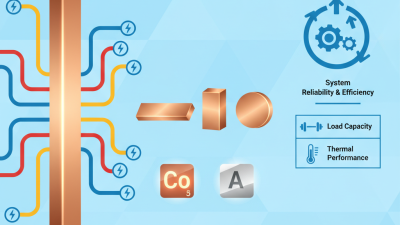
Consider the material. Copper and aluminum are common choices. Copper is more conductive but also costlier. On the other hand, aluminum is lighter and less expensive but may require larger sizes. Evaluate their performance metrics carefully.
Weighting all these variables is vital. Your specific application determines what’s best for you. However, some users overlook important specs, which can lead to problems. Reflect on your needs. Keep reliability and efficiency at the forefront of your decision.
Understanding Bus Bars: Types and Their Applications
Bus bars play a crucial role in electrical distribution systems. They provide a pathway for electric currents and connect various components in a power setup. Understanding the types of bus bars available is essential for selecting the right one for your needs. Typically, bus bars can be classified into copper and aluminum types. Copper bus bars are known for their higher conductivity, making them suitable for high-performance applications. Meanwhile, aluminum bus bars offer a lightweight alternative, which can reduce structural support needs.
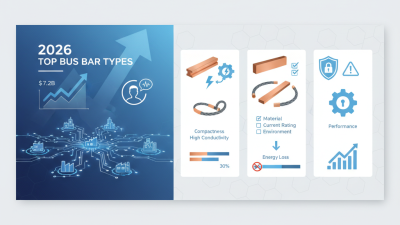
The application of bus bars extends across various industries, including renewable energy, manufacturing, and transportation. According to a report by the Global Bus Bar Market, the demand for bus bars is expected to reach $7 billion by 2026. This growth is fueled by the rapid expansion of the electric vehicle market and increasing investments in renewable energy solutions. Just consider how critical a well-chosen bus bar is for maximizing efficiency in solar power installations.
Choosing the right bus bar requires careful consideration of your specific requirements. Factors such as current rating, environmental conditions, and installation space must be evaluated. It's common to see mismatches in bus bar types and applications, leading to inefficiencies or even system failures. Assessing these elements can help prevent costly mistakes and ensure optimal performance in your electrical systems.
Key Factors to Consider When Selecting a Bus Bar
When selecting a bus bar, several key factors come into play that are crucial for optimal performance. First, consider the material. Copper is commonly used due to its high conductivity. According to a report by the International Energy Agency, copper bus bars can reduce energy loss by up to 40% compared to aluminum. However, aluminum is lighter and more cost-effective. The choice between the two often depends on specific project requirements.
Next, pay attention to the current rating. Bus bars must be able to handle the electrical load without overheating. The National Electrical Manufacturers Association provides guidelines that state a bus bar's current capacity must exceed the expected load by at least 25%. This ensures safety and efficiency in operation. Also, consider the environmental conditions. Exposure to humidity or corrosive elements can affect durability. Opt for protective finishes or coatings where necessary.
Last, the design plays a crucial role in installation and maintenance. A compact bus bar may fit easily into tight spaces but could make future maintenance difficult. Industry studies indicate that accessibility often influences installation costs by more than 15%. Pay attention to these details to align with your operational needs and maintenance capabilities. Balancing performance with design is a challenge worth reflecting on.
Evaluating Electrical Load Requirements for Your Bus Bar
When selecting a bus bar, understanding your electrical load requirements is crucial. The electrical load directly influences the size and type of bus bar you will need. Reports indicate that electrical loads have increased by 25% over the past decade across various industries. This trend necessitates a careful evaluation of load profiles before choosing a bus bar.
It’s vital to consider peak load demand. For example, if your equipment operates at high capacity during specific intervals, your bus bar must accommodate those spikes. Many facilities opt for conservative load estimations. However, underestimating can lead to overheating and failure. Each application is unique, and what works for one may not work for another. Always consult load calculation reports and capacity charts related to your specific environment.
Tip: Regularly reassess your load calculations to align with modern requirements. Manufacturers recommend performing these checks at least annually. This will help you avoid unexpected downtimes. Also, keep an eye on technological advancements. New materials and designs can enhance performance and reliability without significant investments. Understanding these aspects will empower your decision-making process effectively.
Material Choices for Bus Bars: Pros and Cons
When selecting a bus bar, material choice significantly impacts performance and longevity. Aluminum and copper are the most common options. Copper bus bars have a higher conductivity, offering lower resistance. Reports indicate that copper's conductivity is 58% greater than aluminum's. However, copper is heavier and costlier.
Aluminum, on the other hand, is lightweight and more affordable. It’s ideal for applications where weight plays a crucial role. The downside is that aluminum has a lower current-carrying capacity. For some setups, using larger aluminum bus bars can offset this drawback. Engineers often face the dilemma of balancing cost with performance.
**Tips:** Consider thermal expansion and corrosion resistance for outdoor applications. These factors can influence the choice of material. Always consult with a professional to assess your specific needs. Choosing the right material isn't just about conductivity—it’s about the entire system's reliability. Reflect on the installation environment and future maintenance needs.
Future Trends in Bus Bar Technology and Design (2026)
As we look toward 2026, bus bar technology is poised for significant advancements. The integration of smart systems is becoming increasingly important. These systems allow for real-time monitoring of electrical loads. This ensures improved efficiency and decreased downtime. According to a report by MarketsandMarkets, the bus bar market is expected to grow substantially, reaching approximately USD 8 billion by 2026. This growth highlights the demand for innovative designs.
Future bus bars will feature enhanced materials such as aluminum and copper composites. These materials provide higher conductivity and lower resistance. In addition, advancements in thermal management are critical. Cooling mechanisms will become more efficient, reducing the risk of overheating. McKinsey reports suggest that energy efficiency will become a top priority in design considerations. This aligns with sustainability goals across various industries.
The challenge will be balancing cost and performance. Designers must focus on creating solutions that meet future demands without inflating budgets. Coupled with this, end-users must remain informed about technological trends and their implications. Staying updated ensures the selection of optimal products that align with evolving standards. As bus bar technology continues to evolve, careful consideration will be crucial in making the right choices.
How to Choose the Right Bus Bar for Your Needs in 2026? - Future Trends in Bus Bar Technology and Design (2026)
| Bus Bar Type |
Material |
Current Rating (A) |
Application |
Future Trend |
| Standard Copper Bus Bar |
Copper |
800 |
Industrial Equipment |
Increased Efficiency |
| Aluminum Bus Bar |
Aluminum |
600 |
Renewable Energy Systems |
Weight Reduction |
| Flexible Bus Bar |
Copper/Polymer |
400 |
Automotive Applications |
Adaptability |
| High-Temperature Bus Bar |
Copper |
1000 |
Heavy Machinery |
Heat Resistance |
| Compact Bus Bar |
Copper |
500 |
Consumer Electronics |
Space Optimization |