Best Bus Bar Solutions for Efficient Power Distribution?
In the evolving world of power distribution, the efficiency of Bus Bar systems has become essential. Industry expert Dr. Emily Zhao, a recognized authority on electrical engineering, states, "The right Bus Bar solution can minimize energy loss and ensure safety." As industries demand higher reliability and efficiency, selecting the appropriate Bus Bar solution gains significance.
Bus Bars serve as the backbone of power distribution systems. They provide a streamlined method for connecting power sources to multiple circuits. However, many designs lack the attention needed for optimal performance. Understanding the specific requirements of an application can lead to more effective Bus Bar configurations.
Choosing the best Bus Bar involves balancing cost, material quality, and load capacity. It's easy to overlook these aspects. A poorly designed system may result in overheating or power interruptions. Continuous innovation and reflective practices are necessary to enhance Bus Bar efficiency further. The future of power distribution hinges on mastering these elements.

Understanding Bus Bars: Definition and Functionality
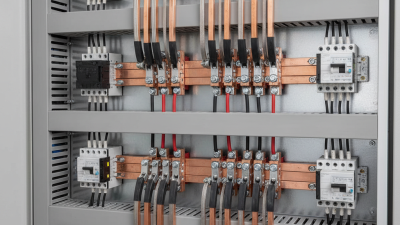
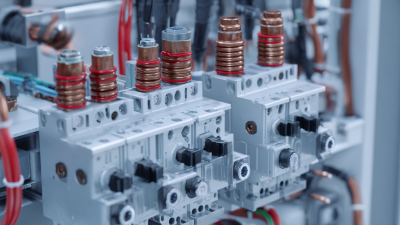
Bus bars are essential components in electrical systems, facilitating efficient power distribution. A bus bar is essentially a conductive strip or bar that distributes electrical energy to various circuits or devices within a system. Their design can vary, from copper and aluminum variations to insulated or uninsulated types, catering to different applications.
These components come with several advantages. They reduce wiring complexities and minimize losses. The compact nature of bus bars allows for an organized distribution of power, especially in large systems. However, it's important to determine the correct size and material for your specific application. Overloading or using subpar materials can lead to inefficiencies.
Tip: Regular inspections of bus bars can prevent unexpected failures. Ensure your installation aligns with safety standards. Monitor heat levels, as excessive temperatures indicate potential issues.
Understanding the functionality of bus bars is key when designing an effective electrical distribution system. Each connection and configuration can impact overall performance. When in doubt, consulting with electrical professionals can provide insights specific to your needs. Optimize your solutions by focusing on quality and safety standards.
Best Bus Bar Solutions for Efficient Power Distribution
| Dimension |
Material |
Ampacity |
Applications |
Installation |
| 50 mm x 10 mm |
Copper |
300 A |
Industrial Automation |
Via mounting brackets |
| 80 mm x 10 mm |
Aluminum |
400 A |
Data Centers |
Bolted connections |
| 100 mm x 10 mm |
Brass |
500 A |
Renewable Energy |
Welded |
| 120 mm x 10 mm |
Copper |
600 A |
Power Grids |
Screw mounting |
Types of Bus Bars: Aluminum vs. Copper Comparisons
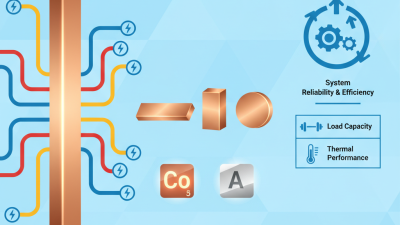
When considering bus bars for power distribution, the material choice plays a vital role.
Aluminum and copper are the two primary options, each with its unique attributes. According to the
Electrical Engineers Association, copper is known for its superior conductivity.
It boasts a conductivity rating of 97% IACS (International Annealed Copper Standard).
This means it can carry more current than aluminum, making it a favored choice for applications requiring high efficiency.
However, aluminum offers distinct advantages in other areas.
It is lighter and often more cost-effective than copper. A report from the
Power Distribution Industry states that aluminum bars can save up to
30% in material costs. Their weight reduction can lead to easier handling and installation.
Yet, aluminum also poses a challenge with its lower conductivity, which is rated at about 61% IACS.
This can necessitate larger bus bar sizes to compensate for the decreased conductivity, potentially nullifying its cost advantages.
Choosing between aluminum and copper requires careful consideration.
While copper often provides better performance, aluminum may fit certain budget constraints. Ultimately,
the decision should align with the specific application requirements. Balancing
cost,
efficiency, and
installation factors is crucial for an optimal choice in power distribution systems.
Key Benefits of Using Bus Bars in Power Distribution Systems
Bus bars are essential components in power distribution systems. They provide an efficient way to conduct electricity while reducing losses. These systems can enhance reliability and safety in various applications. By utilizing bus bars, businesses can streamline their setup and reduce potential points of failure.
One key benefit of bus bars is their compact design. They occupy less space compared to traditional wiring methods. This makes installation easier, especially in tight environments. Additionally, bus bars can handle higher currents. They distribute electrical loads evenly, which minimizes overheating risks. However, proper thermal management is crucial. Failing to address overheating can lead to system failure.
Another advantage is the reduced installation time. Bus bars can be prefabricated, saving valuable labor hours. While this boosts efficiency, it requires careful planning. Miscalculations during installation can lead to costly errors. Users must consider future expansions, too. Planning for scalability is vital, as power demands may shift. Adopting bus bars thoughtfully can significantly improve power distribution systems.
Best Bus Bar Solutions for Efficient Power Distribution
Best Practices for Installing and Maintaining Bus Bar Systems
Installing and maintaining bus bar systems requires meticulous attention. Effective installation directly impacts power distribution efficiency. A recent report highlights that up to 80% of electrical issues stem from poor connections. This underlines the need for proper installation protocols.
When planning installations, consider thermal expansion. Bus bars can heat up during operation. An inadequate allowance for expansion may cause physical stress. Regular inspections of connections are vital. According to industry standards, a visual check should occur every six months. Electrical connections must be clean and free from corrosion, influencing conductivity.
Proper maintenance extends the life of bus bar systems. A good practice is to perform thermal imaging scans. These scans help identify hotspots before they escalate. Regular maintenance reduces downtime. Yet, many organizations fall short of scheduled checks. It's essential to prioritize inspections to ensure reliability and efficiency. Balancing proactive maintenance with operational demands can be challenging but crucial for optimal performance.
Innovative Technologies in Bus Bar Design and Efficiency
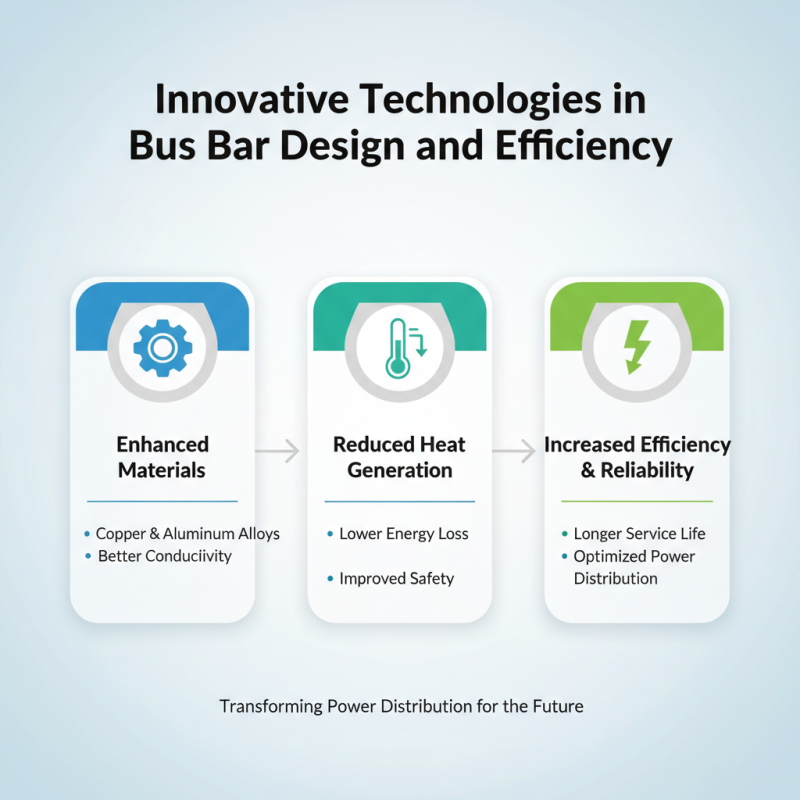
In recent years, advancements in bus bar design have transformed power distribution. Innovative approaches focus on improving efficiency and reliability. Enhanced materials, such as copper and aluminum alloys, allow for better conductivity. This improvement reduces heat generation during operation, leading to longer service life.
Moreover, smart bus bar systems now integrate sensors for real-time monitoring. These sensors track current flow and temperature, providing crucial data. Over time, this can help identify potential failures before they occur. The challenge remains in balancing cost with performance. Many systems still rely on traditional designs, which may not offer optimal efficiency.
Effective bus bar solutions also emphasize modular designs. Modular systems allow for easy scalability and maintenance. However, they require careful planning and space considerations. While innovation continues to drive progress, some outdated practices persist. Reflecting on these challenges helps the industry adapt and evolve.