Best Busway Lighting Solutions for Efficient Energy Use?
Busway Lighting is essential for modern infrastructures, ensuring safety and efficiency. A report from the International Energy Agency highlights that optimized lighting can reduce energy costs by up to 60%. Effective lighting solutions not only enhance visibility but also improve overall operational effectiveness.
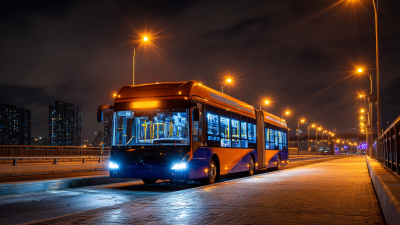
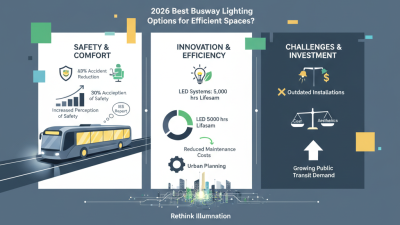
In urban settings, well-designed Busway Lighting systems can convey a sense of security. The Illuminating Engineering Society states that proper lighting design increases public confidence in transit systems. However, many outdated systems still rely on traditional lighting, missing opportunities for energy savings and enhanced safety.
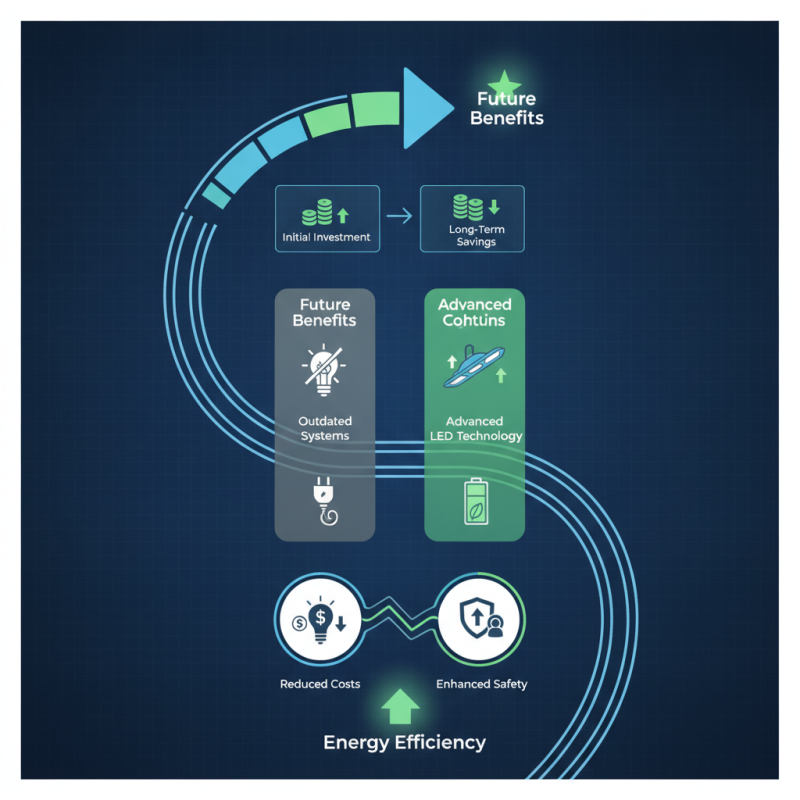
Transitioning to advanced Busway Lighting solutions is crucial. Efficient LED technologies show promising results, offering durability and lower power consumption. The challenge lies in balancing cost with performance. Though higher initial investments are common, long-term savings can be significant. Organizations must prioritize upgrades, analyzing both immediate and future impacts. It's a journey requiring careful planning, yet the benefits illuminate the path forward.
Overview of Busway Lighting Systems and Their Importance
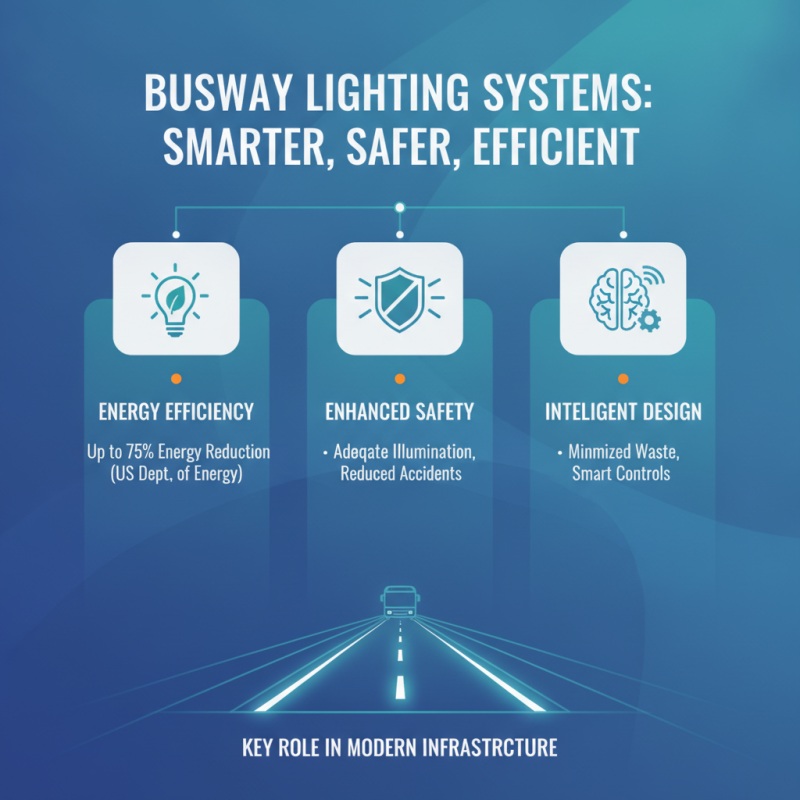
Busway lighting systems play a crucial role in enhancing energy efficiency and ensuring safety. With intelligent designs, these systems minimize energy waste while providing adequate illumination. According to a report from the U.S. Department of Energy, efficient lighting can reduce energy usage by up to 75% in commercial applications. This significant reduction underscores the importance of selecting suitable lighting solutions for busways.
In addition to energy savings, proper lighting systems improve visibility. They help prevent accidents and enhance the overall experience for passengers and operators. Studies show that well-lit environments can increase safety perception by over 40%. However, the implementation of effective lighting requires thoughtful planning. Not all busway lighting designs meet the required standards. A system that works in one location may not be suitable elsewhere due to varying needs.
**Tips**: Always consider the layout and use of the space. Regular maintenance is also crucial. Replace outdated lights with advanced LED fixtures for better efficiency.
Investing in advanced busway lighting can bring long-term gains. However, organizations must evaluate options carefully. They should analyze energy consumption patterns and operational requirements. Balancing efficiency and cost can lead to better decision-making. Keeping an eye on emerging technologies is vital. Adopting more efficient systems can accumulate benefits over time.
Types of Lighting Technologies Used in Busway Systems
When it comes to busway systems, selecting the right lighting technology is crucial for energy efficiency. LED lights are becoming popular due to their long lifespan and lower energy consumption. They can significantly reduce electricity bills while providing bright, white illumination. Induction lighting is another option. It offers excellent durability and illuminates areas more consistently than traditional fixtures.
Adopting smart lighting solutions can also enhance efficiency. Dimming capabilities and motion sensors help adjust brightness based on usage. This not only saves energy but also extends the life of the lighting fixtures. However, integration of smart systems might require initial investment and technical knowledge.
**Tips:** Evaluate existing infrastructure before switching technologies. This can help identify which lighting solutions will provide the best improvement. Consider maintenance costs; sometimes, cheaper upfront options may lead to higher long-term expenses. Always consult with professionals to ensure the chosen solution aligns with your needs.
Best Busway Lighting Solutions for Efficient Energy Use
Strategies for Optimizing Energy Efficiency in Busway Lighting
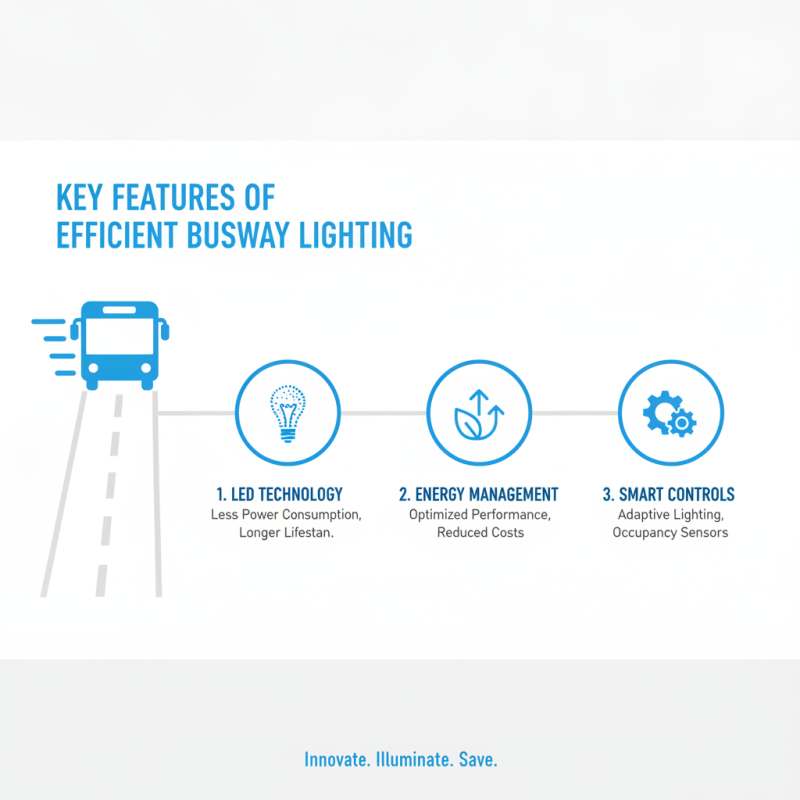
When optimizing busway lighting, energy efficiency is crucial. According to the U.S. Department of Energy, effective lighting can reduce energy costs by up to 30%. Utilizing LED technology significantly enhances performance and longevity, yielding savings on maintenance alongside energy use.
To maximize energy efficiency, consider the placement of fixtures. Strategic spacing ensures even light distribution. This helps prevent dark spots, which may lead to increased energy consumption as users adjust settings. Implementing smart lighting controls, such as occupancy sensors, can further optimize energy use. These systems automatically adjust brightness based on occupancy and daylight levels.
Tips: Regular maintenance is essential. Dust and dirt on fixtures can lower effectiveness, leading to wasted energy. Upgrading to smart technology can indicate when maintenance is necessary. Also, consider color temperature. Warmer light can improve comfort without requiring higher energy input.
Best Busway Lighting Solutions for Efficient Energy Use
| Lighting Solution |
Energy Efficiency (%) |
Lifespan (Hours) |
Installation Cost ($) |
Maintenance Cost (Annual $) |
| LED Busway Lighting |
85% |
50,000 |
500 |
50 |
| Fluorescent Busway Lighting |
70% |
20,000 |
300 |
100 |
| Induction Busway Lighting |
80% |
100,000 |
600 |
75 |
| High-Intensity Discharge (HID) Lighting |
65% |
20,000 |
400 |
120 |
Case Studies of Successful Busway Lighting Implementations
In recent years, efficient busway lighting has gained attention in many urban areas. Several cities have implemented innovative lighting solutions that not only enhance visibility but also reduce energy consumption. One successful case study comes from a medium-sized city that integrated LED lighting into their busway systems. This change resulted in a 50% decrease in energy usage over traditional lighting.
Moreover, some municipalities have experimented with solar-powered lights along busways. These installations harness solar energy, which can significantly lower operational costs. However, challenges remain, such as maintaining functionality during cloudy seasons. Cities must carefully evaluate their geographic conditions before making such investments to ensure reliability in all weather.
Additionally, sensor technology has been introduced to optimize light usage. These sensors adjust brightness based on real-time traffic volumes. While this innovation proves effective in promoting energy efficiency, the initial setup costs can be a barrier. Future implementations must consider these factors to improve success rates in various locations.