China Top Busway Lighting Solutions for Efficient Energy Management?
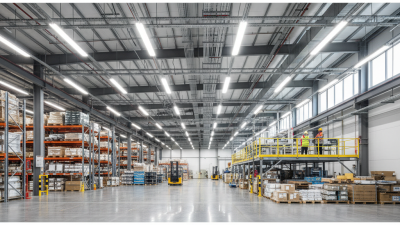
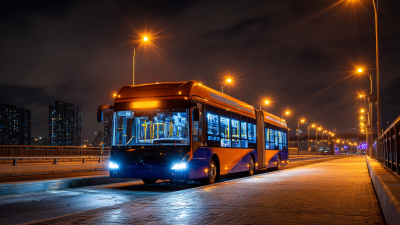
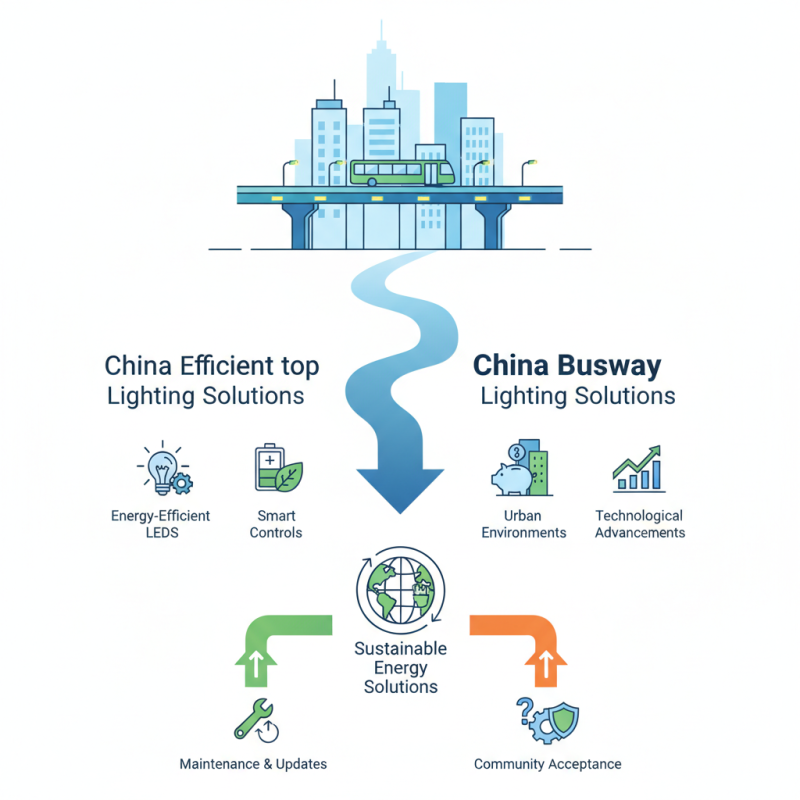
In the quest for sustainable energy solutions, Busway Lighting emerges as a key player. This innovative system optimizes energy usage while enhancing visibility in public transport networks. China, leading in technological advancements, offers various solutions tailored to different urban environments.
Busway Lighting systems integrate energy-efficient LEDs and smart controls. Such technology not only reduces energy costs but also lowers greenhouse gas emissions. Efficient implementation leads to significant savings for cities struggling with budget constraints. However, the application must be carefully considered to avoid overspending on initial installations.
Moreover, the evolution of Busway Lighting requires continuous evaluation and adaptation. Cities must prioritize maintenance and updates to keep systems running efficiently. Despite the promise of these solutions, the journey is not without challenges. Stakeholders must navigate technical complexities and community acceptance. Thus, while Busway Lighting presents a path to energy efficiency, it raises questions about long-term commitment and strategic planning.
Overview of Busway Lighting Solutions in China
In recent years, the busway lighting solutions sector in China has shown significant advancements. Reports indicate that energy-efficient technologies in lighting have increased by 35% since 2020. This growth reflects the nation’s commitment to sustainability and energy management. Busways generally require robust and adaptive lighting systems, particularly in urban areas where traffic is dense.
A vital element of effective energy management is integrating smart technology. Sensors and automated controls are becoming standard features. These systems can reduce energy waste significantly; studies suggest a potential 40% increase in efficiency when implemented properly. However, there are challenges. Not all urban planners prioritize these solutions due to budget constraints or lack of awareness.
Tips: Consider assessing lighting needs regularly. Regular audits help identify potential savings. Also, involve stakeholders early in the planning process to gather diverse insights. This approach can lead to innovative solutions that optimize performance and reduce energy costs. Ensuring collaboration amongst various departments can foster a culture of sustainability.
Advantages of Efficient Energy Management in Busway Lighting
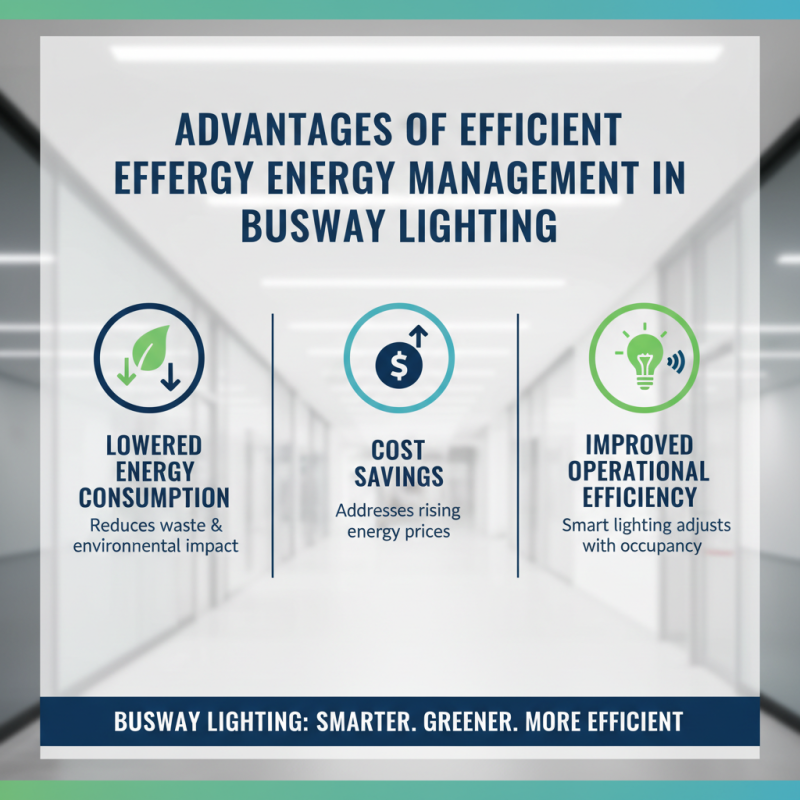
Efficient energy management in busway lighting is crucial for enhancing operational efficiency. This approach lowers energy consumption, contributing to both cost savings and environmental benefits. With rising energy prices, businesses are seeking innovative solutions. A smart lighting system can adjust based on occupancy, effectively reducing waste.
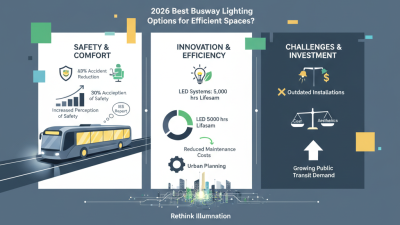
Moreover, effective energy management increases safety in public transport environments. Well-lit pathways reduce the risk of accidents and improve user experience. An efficient system also minimizes maintenance costs. However, it requires initial investment and careful planning. Some organizations may struggle with the transition from traditional lighting to modern solutions.
On the other hand, energy-efficient busway lighting systems can adapt to various settings. For example, dimming features can be programmed, optimizing light levels based on need. This versatility helps in managing energy better. Yet, ongoing education and training for staff are necessary for such systems to succeed. It’s essential to strike a balance between technology adoption and operational behavior to see real benefits.
Key Technologies Driving Busway Lighting Efficiency
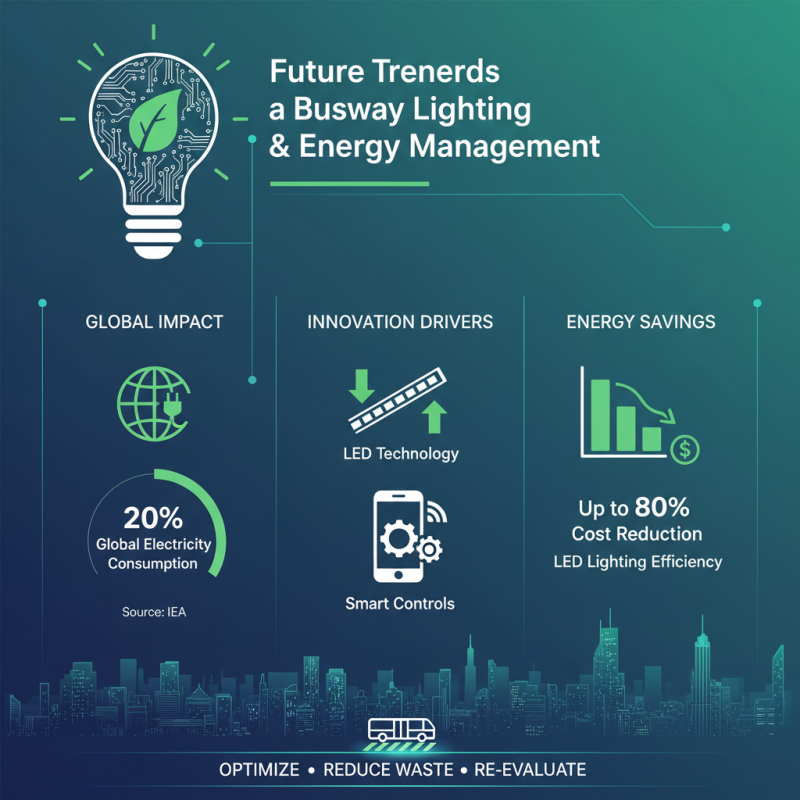
In recent years, busway lighting has become crucial for energy management in urban infrastructures. Key technologies have emerged to enhance lighting efficiency. According to a report by the International Energy Agency, efficient lighting systems can reduce energy consumption by up to 50%. This is particularly significant for public transport hubs, where the demand for energy is consistently high.
One notable advancement in busway lighting is the use of LED technology. LEDs have a longer lifespan and consume less power than traditional lamps. They're now designed to operate at optimal levels, ensuring uniform light distribution. Studies show that optimizing light output can improve safety and visibility in transit areas, enhancing user experience.
Tips: Regular maintenance of lighting systems is vital. Inspecting and replacing old fixtures can prevent energy waste. Also, consider incorporating smart controls. These can adjust light levels based on occupancy, further boosting efficiency.
While there are evident benefits, challenges remain. For instance, the initial investment in high-efficiency systems can be daunting for municipalities. Balancing cost with long-term savings requires careful planning. As technology evolves, ongoing evaluations will be necessary to ensure implementations remain effective.
Case Studies of Successful Busway Lighting Implementations
Busway lighting is pivotal for energy management in public transport systems. Successful implementations showcase innovative strategies that enhance visibility and reduce energy costs. For instance, a recent report noted that cities deploying advanced busway lighting saw a 30% decrease in energy consumption. These savings stem from LED technologies and smart controls, which adapt to real-time traffic and weather conditions.
In studying cities like Beijing and Shanghai, we see practical applications of these technologies. For example, the installation of smart LED systems in high-traffic areas improved safety and extended operational hours at a lower energy cost. Yet, challenges persist. Not every implementation has met expected savings, revealing a learning curve regarding installation and ongoing maintenance.
Tips: Consider pilot programs before large rollout. Analyze energy consumption data to refine strategies. Continuous learning is essential, as not all solutions will work in every environment. Data-driven decisions pave the way for better outcomes, fostering a culture of innovation and efficiency in busway lighting systems.
China Top Busway Lighting Solutions for Efficient Energy Management
| Implementation Location |
Type of Busway Lighting |
Energy Efficiency Improvement (%) |
Annual Energy Savings (kWh) |
Payback Period (years) |
| Beijing Central Station |
LED Lighting |
35% |
500,000 |
3 |
| Shanghai Bus Terminal |
Solar-powered Lighting |
40% |
350,000 |
4 |
| Guangzhou East Station |
Hybrid LED Lighting |
30% |
400,000 |
4.5 |
| Shenzhen International Airport |
Smart LED System |
50% |
600,000 |
2.5 |
| Chengdu Bus Station |
Energy-efficient Fixtures |
25% |
300,000 |
5 |