The 5 Best Air Type Busway Solutions for Efficient Power Distribution?
In the realm of efficient power distribution, Air Type Busway systems have emerged as a crucial innovation. These systems offer a better alternative to traditional wiring. Their design allows for reduced energy loss, which is essential for modern facilities. Many industries depend on reliable and efficient energy solutions.
The growing demand for energy efficiency drives the popularity of Air Type Busway. These busways incorporate advanced materials and technology for optimal performance. As businesses seek to enhance their operations, these systems present a compelling solution. However, not all Air Type Busway systems are created equal. It is vital to evaluate options based on specific needs and application scenarios.
Choosing the right Air Type Busway can be challenging. There can be significant differences in efficiency, installation, and maintenance. Exploring the top solutions can help decision-makers make informed choices. Understanding the strengths and weaknesses of different systems is crucial for effective power distribution. Ultimately, investing in the right technology ensures reliability and maximizes energy savings.

The Importance of Efficient Power Distribution in Modern Facilities
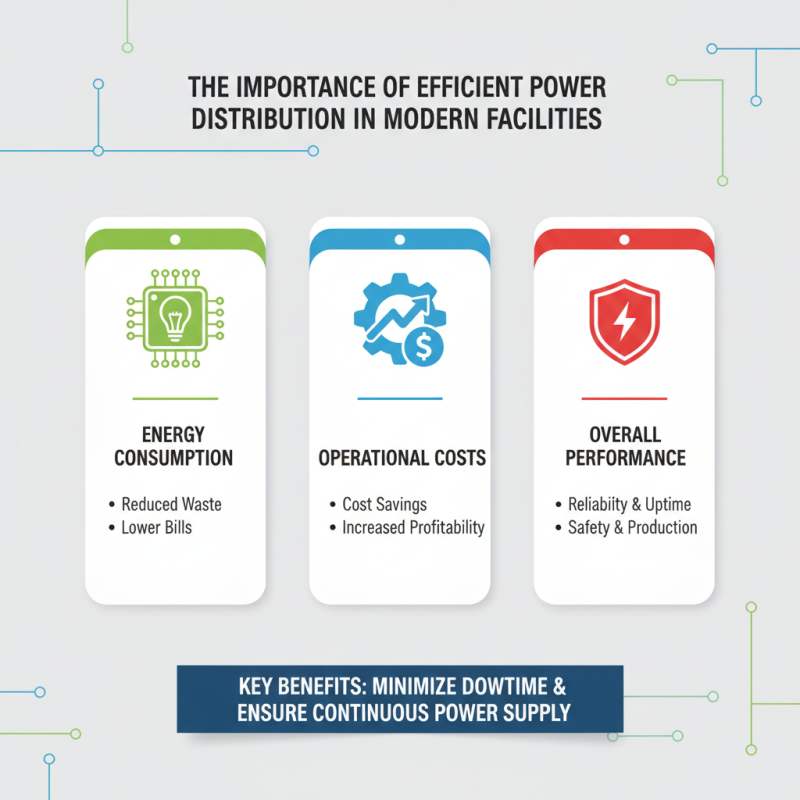
Efficient power distribution is crucial for modern facilities. It impacts energy consumption, operational costs, and overall performance. Successful facilities focus on reliable systems that minimize downtime, ensuring continuous power supply. Key choices in power distribution influence production capabilities and safety.
When it comes to air type busway solutions, efficiency is paramount. These systems offer flexibility and scalability. Some designs allow for real-time monitoring of electricity flow. This provides valuable data for maintenance and optimization. However, not every installation is perfect. Misconfigurations can lead to unnecessary energy losses. Regular reviews are essential to identify potential issues.
Choosing the right distribution solution often involves trade-offs. Cost-effectiveness must be balanced with quality and durability. Short-term savings might lead to long-term inefficiencies. As facilities evolve, their energy requirements change. Continuous assessment of power distribution strategies is necessary to maintain operational integrity. Decision-makers must stay proactive in adapting to these shifts.
Key Advantages of Air Type Busway Systems in Power Distribution
Air type busway systems have emerged as an innovative solution for power distribution in various industries. These systems offer several key advantages that enhance efficiency and reliability. One major benefit is the effective cooling mechanism they provide. Unlike traditional busbars, air type busways utilize natural ventilation to maintain optimal operating temperatures. This cooling efficiency translates into reduced energy costs and prolonged equipment life.
Installation flexibility is another advantage. Air type busways can be easily configured to accommodate changing layouts. This adaptability is vital in dynamic environments. Also, the lightweight construction of these systems simplifies installation and reduces overall labor costs. Maintenance is straightforward, leading to less downtime for critical operations.
Tip: Consider regular inspections to identify wear and maintain efficiency. Even the best systems require attention over time. Investing in training for staff can ensure proper handling and upkeep of these systems.
It's important to acknowledge that air type busways aren't without their challenges. In high-demand environments, ensuring sufficient airflow becomes crucial. Any obstructions can threaten performance. Additionally, while these systems are efficient, their initial cost may deter some businesses. Engaging with industry experts can provide insights into cost-benefit analyses tailored to specific needs.
Installation and Maintenance Considerations for Air Type Busway Systems
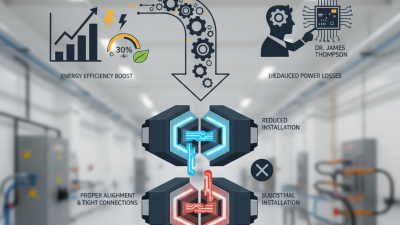
Installation and maintenance of air type busway systems are crucial for optimal performance. Proper installation begins with a thorough site assessment. Identify the load requirements and environmental conditions. Ensure adequate clearances and secure mounting. It’s essential to follow specific guidelines for the electrical connections. Poorly installed systems may lead to overheating or inefficient power distribution.
Regular maintenance checks are necessary to ensure longevity. Inspect the connections for signs of wear or corrosion. Cleaning the busway periodically can prevent dust accumulation, which may cause overheating. Pay attention to any unusual noises or changes in performance. These could indicate potential issues that require immediate attention. Neglecting maintenance can lead to costly downtime.
While air type busways are designed for efficiency, challenges exist. Their design may not always suit every facility. Custom solutions sometimes become necessary, adding complexity to the installation. Evaluate the unique needs of your power distribution system. Gather feedback from technicians to address common installation pitfalls. This continuous improvement approach can enhance the overall reliability of your busway system.
Future Trends in Air Type Busway Technology and Industry Innovations
The air type busway technology is rapidly evolving. Innovations focus on enhancing energy efficiency and reducing maintenance costs. Recent research indicates that the demand for efficient power distribution systems is increasing by 6% annually. This trend leads to developments in modular designs and compact units that save space.
One notable advancement is the integration of IoT capabilities. These systems allow real-time monitoring and diagnostics. With approximately 30% of energy lost during transmission, the push for better performance is urgent. Engineers are experimenting with smarter materials and cooling solutions. Such improvements aim to minimize operational inefficiencies.
The sustainability aspect cannot be overlooked. Regulatory pressure is shaping industry standards towards greener solutions. Projections suggest that air type busways could reduce carbon emissions by 25% by 2030. However, barriers exist. Cost concerns and complexities in retrofitting legacy systems remain challenges. Companies must balance innovation with practical deployment strategies to maximize the benefits.
The 5 Best Air Type Busway Solutions for Efficient Power Distribution