China Top Copper Dense Busway Innovations for Optimal Energy Distribution?
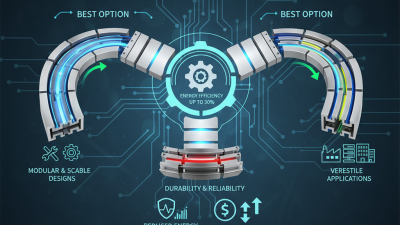
In recent years, China's energy distribution sector has experienced significant advancements, particularly in the realm of Copper Dense Busway solutions. This innovative technology enhances efficiency in energy transmission and is becoming a standard in urban infrastructures. According to a report by the International Copper Association, copper's superior conductivity can reduce energy losses by up to 30%. This remarkable efficiency is reshaping how industries and utilities approach energy distribution.
The demand for reliable and efficient energy systems is more pressing than ever. In cities across China, the adoption of Copper Dense Busway systems is on the rise. These systems not only optimize power delivery but also contribute to sustainability goals. However, challenges remain in the adoption process. Some contractors report difficulties in installation, indicating a need for specialized training. Ensuring the reliability of these systems is paramount, as failures can lead to significant downtime and energy loss.
As the market continues to grow, it's essential to address these challenges proactively. Experts stress focusing on best practices and innovative solutions. The ongoing development in this field suggests that while progress is being made, the journey toward optimal energy distribution through Copper Dense Busway is an evolving challenge that warrants attention and innovation.
Overview of Copper Dense Busway Technology in China
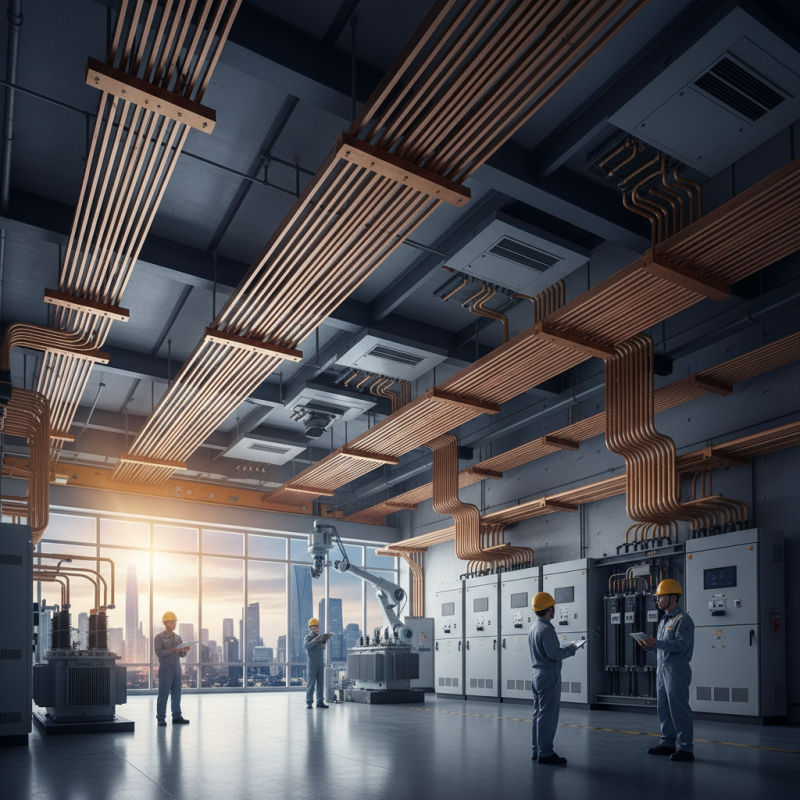
Copper dense busway technology is gaining traction in China. This innovation is central to enhancing energy distribution systems. Its main advantage lies in efficiency. The highly conductive nature of copper ensures minimal energy loss.
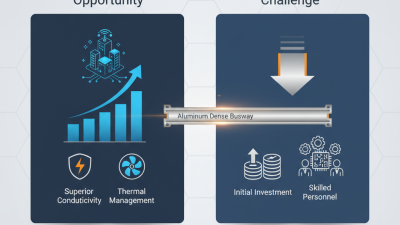
Manufacturers are exploring various designs to maximize space while ensuring safety. Some thermal management challenges remain. These can lead to overheating if not properly addressed. Ongoing R&D is crucial, as this technology evolves rapidly in urban infrastructure.
Chinese companies are investing in training and development. Specialized expertise is necessary for effective implementation. However, knowledge gaps exist in the workforce, making continuous education vital. Overall, copper dense busways represent a promising step forward, yet require thorough consideration of challenges ahead.
Key Features of Innovative Copper Dense Busways
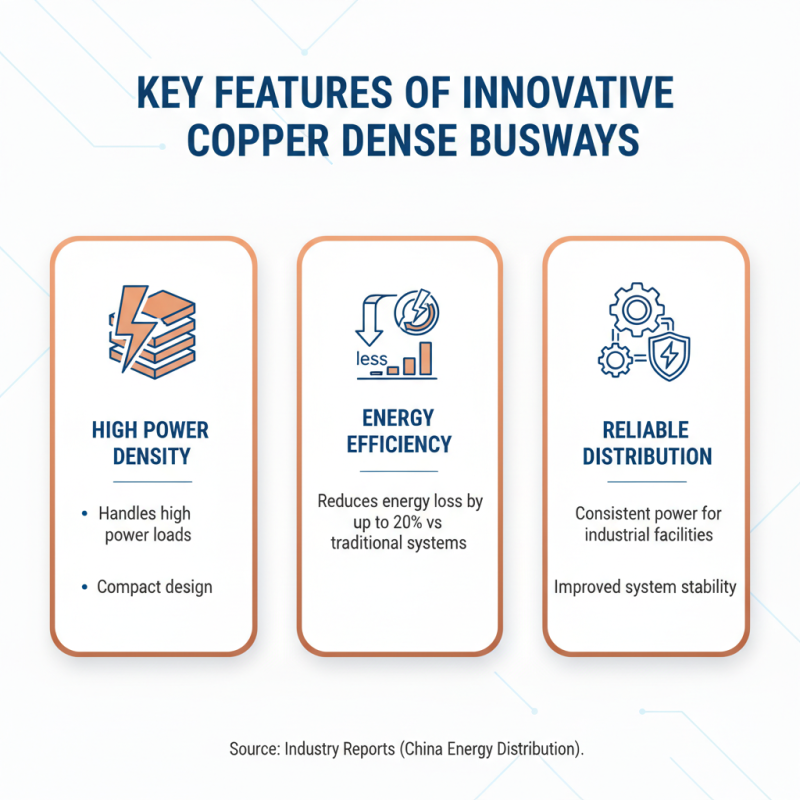
Innovative copper dense busways are changing energy distribution in China. Designed for efficiency, these systems can handle high power loads while minimizing energy loss. According to industry reports, copper busways can reduce energy loss by up to 20% compared to traditional systems. This efficiency is crucial for large industrial facilities that rely on consistent power distribution.
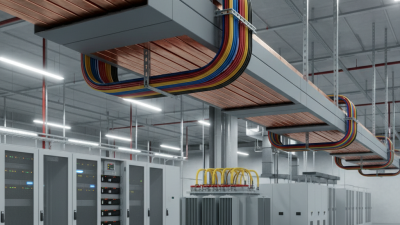
Key features of these busways include their compact designs and improved heat dissipation. Compact designs allow for easier installation and reduce the footprint required. Enhanced heat dissipation not only improves performance but also increases the lifespan of electrical components. Data indicates that effective heat management can extend the life of busways by 15% or more, which is significant in high-demand environments.
However, challenges remain. Installation costs can be high, and the complexity of integration poses risks. As manufacturers push for more innovation, the industry must reflect on these hurdles. Addressing installation issues and reducing costs will be essential for wider adoption. Balancing performance and affordability is crucial for the future of copper dense busways.
Current Applications of Copper Dense Busway in Energy Distribution
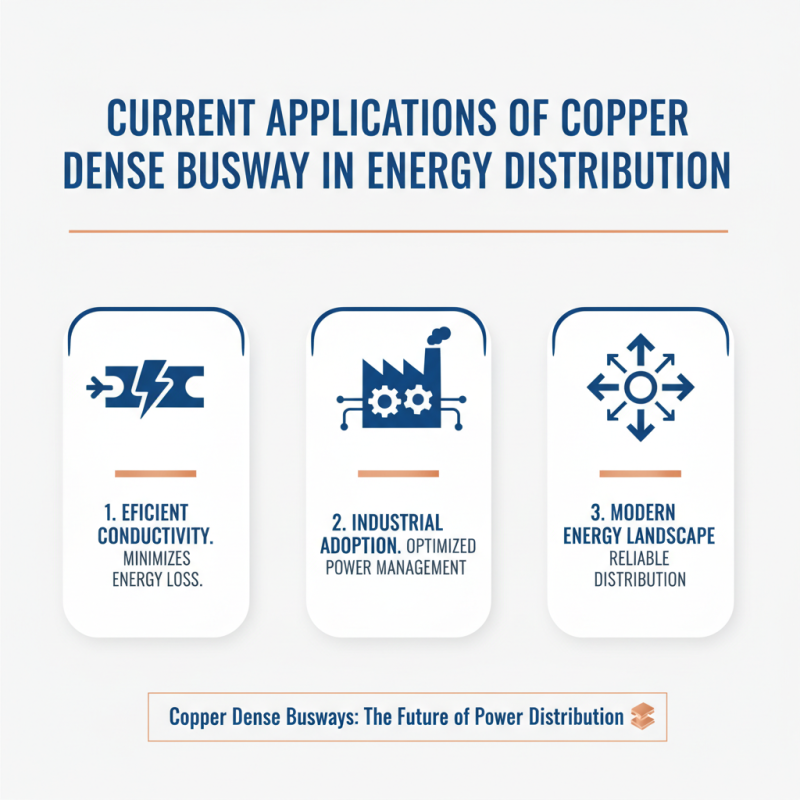
Copper dense busways are gaining traction in today's energy distribution landscape. These systems efficiently conduct electricity while minimizing energy loss. Many industries adopt copper dense busways to manage power distribution more effectively.
In commercial buildings, the demand for reliable and compact solutions is critical. Copper dense busways offer several advantages, such as reduced installation time and increased safety. They can fit in tight spaces, making them ideal for urban environments. However, some users find their initial investment costs high. This complexity can be daunting for smaller enterprises.
Recent projects also highlight the evolving technologies in copper busways. Smart monitoring features can enhance performance. Yet, not every installation has showcased these innovations. The variability in implementation results can prompt discussions on best practices. Sharing experiences among professionals can bridge the gaps. This collaboration can help refine future applications while addressing key challenges.
Advantages of Copper Dense Busway Over Traditional Systems
Copper dense busways have shown significant advantages over traditional energy distribution systems. According to the International Copper Association, copper has a higher conductivity than aluminum, allowing for smaller size and lower energy loss during transmission. This means that copper dense busways can deliver the same power in a more compact space. In large commercial and industrial settings, this efficiency translates to substantial savings on installation and long-term operational costs.
Notably, a report from the Global Copper Supply Chain highlights that the use of copper in busway systems can lead to a reduction in overall maintenance costs by up to 20%. The durability of copper busways contributes to their reliability in high-demand settings. Traditional systems often require frequent inspections and replacements. Conversely, copper offers a higher temperature resistance and corrosion resistance, minimizing unexpected downtimes.
However, while copper dense busways provide clear benefits, the initial capital investment can be a concern for some. It's essential for businesses to analyze the lifecycle costs, not just upfront expenses. The long-term gain in efficiency and reliability might outweigh the initial price. Moreover, adapting to new technologies involves a learning curve for technicians, which may temporarily disrupt operations. Balancing these factors is crucial for informed decision-making in energy distribution.
China Top Copper Dense Busway Innovations for Optimal Energy Distribution
Future Trends in Copper Dense Busway Development and Sustainability
The future of copper dense busway systems is pivotal for sustainable energy distribution. As urban populations grow, the demand for efficient energy solutions increases. A report from the International Energy Agency (IEA) highlights that electricity demand could rise by 30% by 2040. This surge calls for innovative approaches in energy infrastructure, making copper dense busways a focal point for development.
Recent advancements show promise in improving energy efficiency. For example, enhanced thermal management in these systems minimizes energy loss. Data indicates that optimally designed busways can reduce energy consumption by up to 20%. However, challenges persist. The environmental impact of copper mining raises sustainability concerns. Copper extraction is energy-intensive, which can contradict green initiatives aimed at reducing carbon footprints.
Stakeholders must balance efficiency with sustainability. The life cycle of copper dense busway systems requires scrutiny. Innovations must focus on recycling and sustainable sourcing. Research suggests that over 90% of copper can be recycled without degradation. This is crucial in addressing resource scarcity while promoting a circular economy in the sector. Collaboration between engineers and environmental scientists is essential for creating a greener future in energy distribution.
China Top Copper Dense Busway Innovations for Optimal Energy Distribution
| Innovation Type |
Key Feature |
Efficiency Improvement (%) |
Sustainability Impact |
Projected Growth Rate (2024-2028) (%) |
| High-Conductivity Copper Alloy |
Enhanced thermal performance |
15 |
Reduced carbon footprint |
7 |
| Smart Monitoring Systems |
Real-time energy management |
20 |
Optimizes energy use |
10 |
| Environmental Copper Recyclability |
100% recyclable materials |
N/A |
Minimized waste |
12 |
| Modular Busway Design |
Ease of installation |
18 |
Space-efficient |
8 |
| Thermal Management Coatings |
Prevents overheating |
25 |
Increased service life |
6 |