The Best 10 Benefits of Using Lighting Busbars for Efficient Power Distribution?
The adoption of Lighting Busbars has transformed the landscape of power distribution. According to a recent report by Global Industry Analysts, the global market for busbars is projected to exceed $23 billion by 2028. This trend indicates a growing recognition of the efficiency and reliability that Lighting Busbars bring to various industries.
An industry expert, Dr. Linda Matheson, emphasizes this point: "Lighting Busbars not only enhance safety but also optimize space in electrical installations." Her insights resonate in a market increasingly focused on sustainability and energy efficiency. Lighting Busbars offer multiple benefits, including reduced installation time, lower maintenance costs, and improved performance.
However, there remain challenges. Some users express concerns over the initial investment and adaptability to existing systems. This highlights the need for thorough assessments before implementation. Ultimately, the benefits of Lighting Busbars can lead to significant long-term savings when properly integrated.
Benefits of Lighting Busbars in Modern Electrical Installations
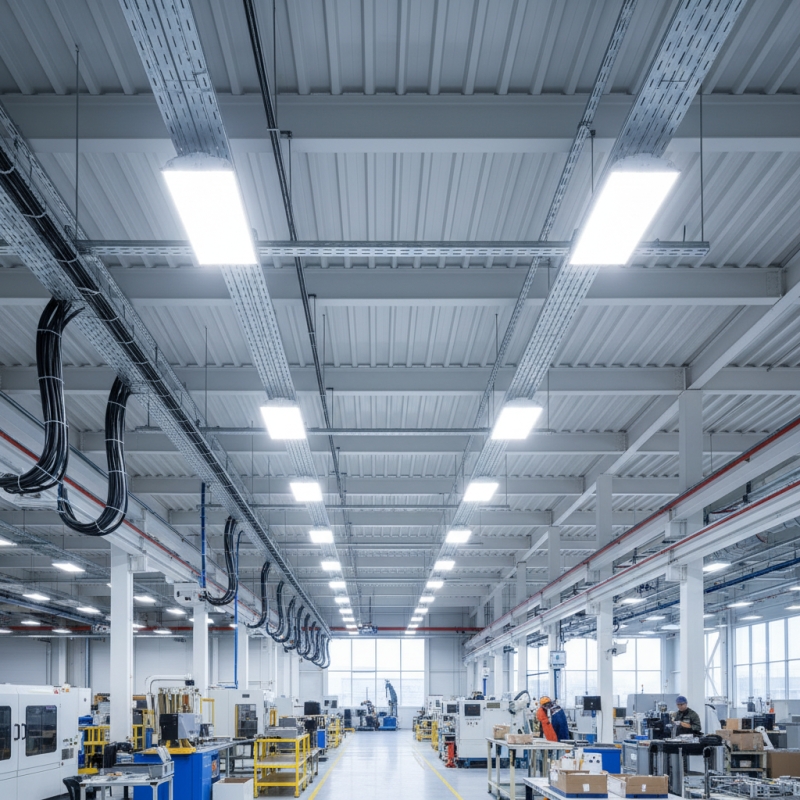
Lighting busbars have emerged as a crucial technology in modern electrical installations. Their design allows for efficient power distribution across various settings, from commercial buildings to industrial complexes. The space-saving nature of busbars helps reduce the footprint of electrical systems, allowing for more flexible layout options. This is especially beneficial in areas where space is at a premium.
Enhanced safety is another significant advantage. These systems minimize the risk of electrical fires by reducing loose connections and increasing the reliability of power delivery. While busbars are designed for durability, users must consider their maintenance needs. Regular inspections can help prevent unseen issues from escalating into major problems. Moreover, it’s essential to balance the initial setup cost against long-term efficiency gains.
The modularity of busbars allows for easy upgrades and expansions. As energy demands evolve, updating a busbar system can be less cumbersome than traditional configurations. However, transitioning from older systems requires careful planning to avoid disruptions. Ensuring that existing infrastructure integrates seamlessly with new technology might present challenges. Addressing these potential issues early can lead to a more resilient electrical system.
Enhanced Energy Efficiency of Power Distribution Systems
Lighting busbars are gaining attention for their role in enhancing energy efficiency in power distribution systems. These systems significantly reduce energy losses compared to traditional wiring methods. According to a report from the International Energy Agency, optimizing power distribution can improve energy efficiency by up to 15%. This is crucial as facilities aim to reduce operational costs and carbon footprints.
Busbars boast a streamlined design that minimizes resistance. They can handle high currents with less heat generation, which reduces energy wasted as heat. Implementing busbars can lead to a decrease in overall energy consumption by up to 20%. However, despite their advantages, some facilities initially overlook busbars due to the upfront investment. This perspective may require reevaluation in light of potential long-term savings and efficiency gains.
Many engineers are also discovering the reliability of busbars under various environmental conditions. Their robustness can prolong the life of power systems and reduce maintenance costs. However, the installation process needs careful planning. Inadequate installation can lead to performance issues. As energy regulations evolve, understanding the full benefits of lighting busbars is critical. More data and case studies will enhance their adoption, but awareness must grow.
Improved Safety Features of Lighting Busbars Compared to Traditional Wiring
Lighting busbars provide enhanced safety features that significantly surpass those of traditional wiring. A study by the Institute of Electrical and Electronics Engineers (IEEE) highlights that busbars can reduce fire hazards by an impressive 30%. The risk of electrical faults is lower due to their compact design, which minimizes excessive heat generation. With the growing emphasis on safety in electrical installations, modest improvements in wiring can lead to substantial benefits.
Moreover, busbars improve insulation and grounding issues. Inadequately wired systems often suffer from poor grounding that can cause electrocution risks. Busbars possess superior grounding capabilities, lowering the chances of electric shock incidents. The National Fire Protection Association (NFPA) emphasizes the importance of effective grounding as a critical safety measure. They report that up to 39% of electrical fires are associated with inadequate wiring.
However, it's essential to note that switching to busbars requires proper installation and ongoing maintenance. While they are generally safe, if poorly installed, their performance can be compromised. Electrical engineers must conduct regular inspections. The benefits of safety enhancements must not overshadow the need for attention to detail in implementation. Ensuring that busbars are effectively managed is crucial in harnessing their full potential for safety in electrical distribution.
The Best 10 Benefits of Using Lighting Busbars for Efficient Power Distribution
| Benefit |
Description |
Comparison to Traditional Wiring |
| Increased Safety |
Busbars reduce the risk of electrical fires and short circuits. |
Traditional wiring is more prone to damage and overheating. |
| Space Efficiency |
Busbars take up less space in electrical installations. |
Wiring systems require more space for installation. |
| Ease of Installation |
Busbars are easier and quicker to install. |
Traditional wiring can be complex and time-consuming to install. |
| Reduced Maintenance |
Less frequent maintenance is required due to fewer failure points. |
Wiring systems often require regular inspection and repair. |
| Higher Current Capacity |
Busbars can handle higher currents effectively without overheating. |
Wires can become overloaded and hot under high current. |
| Flexibility |
Busbars can be easily rearranged and redesigned to accommodate changes. |
Modifying wired systems is often difficult and costly. |
| Aesthetic Appeal |
Busbars can be designed to fit into modern architectural styles. |
Traditional wiring can be unsightly and cluttered. |
| Improved Reliability |
Busbars have fewer connections, reducing points of failure. |
Wiring systems can have multiple points of failure due to connections. |
| Energy Efficiency |
Busbars can reduce energy loss during distribution. |
Wires can have higher resistance, leading to more energy losses. |
| Longer Lifespan |
Busbars typically have a longer operational life than traditional wires. |
Wires can corrode or degrade faster due to environmental factors. |
Reduced Installation and Maintenance Costs with Lighting Busbars
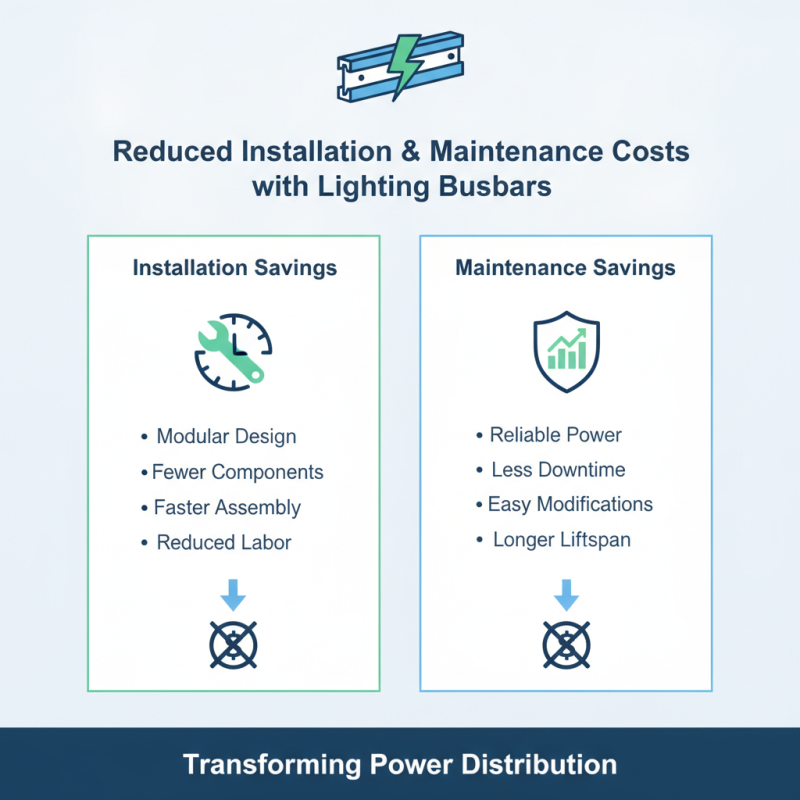
Lighting busbars are transforming power distribution systems. They offer significant reductions in installation and maintenance costs, making them an attractive option for many facilities. The modular design of busbars simplifies installation. Fewer components mean less assembly time and reduced labor costs.
Moreover, maintenance becomes easier with lighting busbars. Traditional wiring systems can require complex troubleshooting. Busbars, however, provide clear pathways for power distribution, making it simpler to identify issues. The standardized design allows technicians to replace sections with minimal downtime. But some may overlook the need for regular inspections, which can lead to unexpected failures.
The durability of busbars also plays a crucial role in cost-effectiveness. They are designed to handle high loads. This longevity means fewer replacements over time, ultimately saving money. Yet, it's important to ensure the initial design meets specific load requirements. Careful planning can maximize their benefits in an efficient power distribution system.
Flexible Design and Scalability of Lighting Busbar Systems
Lighting busbars create a flexible design and scalability that enhances power distribution systems. These systems can adapt to various layouts and infrastructure changes. According to the International Energy Agency, efficient power distribution can reduce energy losses by 15%. This is significant for large buildings requiring complex electrical networks.
The modular nature of busbars allows for easy expansion. Facilities can adjust their layouts without extensive rewiring. A study from the IEEE shows that scalable systems can increase installation speed by up to 30%. This efficiency leads to quicker project completion. In some cases, the aesthetic appeal of busbars also means less visible wiring and more floor space.
However, challenges exist in implementing these systems. Some installations may face compatibility issues with existing setups. Local regulations might complicate integration, demanding careful planning. As electrical needs evolve, maintaining flexibility requires foresight and expertise. Continuous assessment will be crucial for future developments in power systems.