How to Choose the Best Busbar Systems for Your Business?
Selecting the right Busbar Systems is crucial for any business aiming for efficiency and reliability. According to the latest industry report from Grand View Research, the global busbar market is expected to reach USD 12.5 billion by 2027, driven by a growing demand for energy-efficient solutions. This substantial growth underlines the importance of careful selection and implementation of busbar systems in both industrial and commercial settings.
In choosing the best busbar systems, consideration must go beyond just the cost. Factors such as the system's capacity, material quality, and installation requirements play critical roles. A badly chosen system can lead to frequent maintenance issues and downtime. Data from the International Energy Agency emphasizes that optimizing electrical infrastructure can reduce energy losses by up to 20%.
It is also essential to consider the specific needs of your business. Not all busbar systems are created equal, and mistakes in selection can be costly. Engaging with industry experts can provide insights, but it’s vital to combine this knowledge with a clear understanding of your operational requirements. Balancing these elements can be complex, yet it is necessary for building a robust electrical framework that meets your business needs.

Understanding the Functionality of Busbar Systems in Electrical Applications
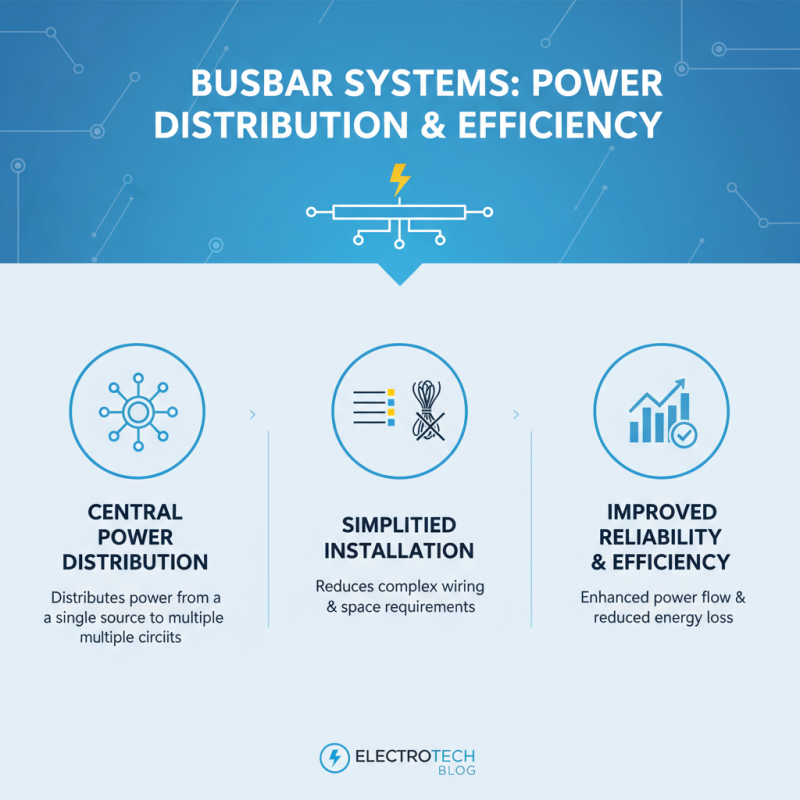
Busbar systems serve a crucial role in electrical applications. They function as a central hub for distributing electrical power from one point to multiple circuits. This setup reduces the need for extensive wiring, simplifying installations in facilities. Additionally, by using busbars, operators can achieve improved reliability and efficiency.
Understanding the design of a busbar system is vital. They come in various materials, with copper and aluminum being the most common. Each material has unique properties that affect conductivity and thermal performance. Choosing the right one ensures optimal energy transmission. Installation requires planning. Poor layout can lead to energy loss and increased maintenance costs.
Moreover, regular maintenance is essential for longevity. Issues may arise from overheating or corrosion. Businesses must create a proactive strategy to monitor busbar systems regularly. Sometimes, upgrades may be necessary to keep pace with technological changes. Evaluating the current setup can help identify areas needing improvement.
Identifying the Key Factors to Consider When Selecting Busbar Systems
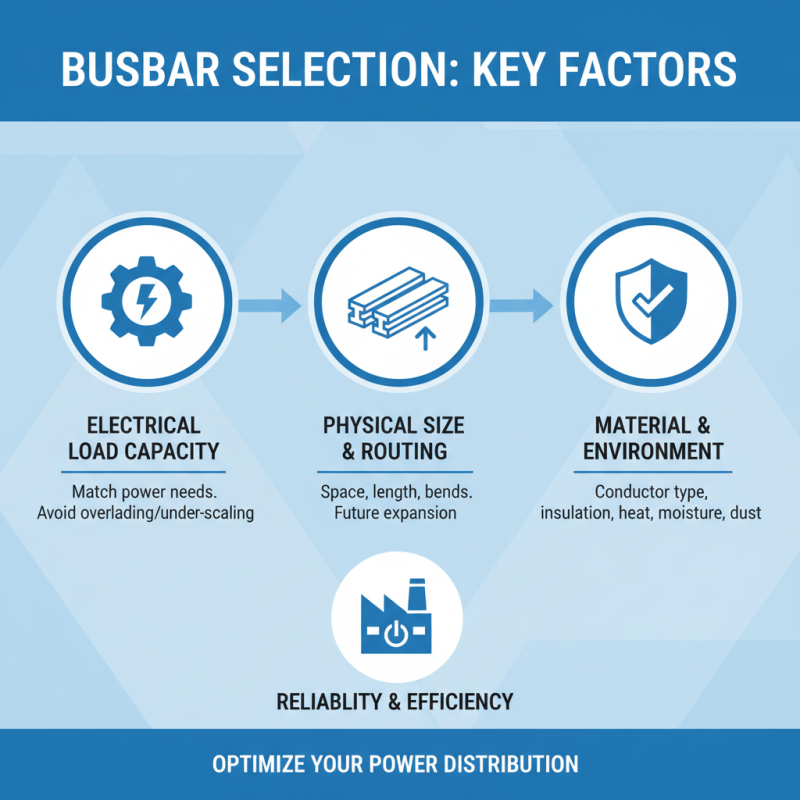
When choosing busbar systems for your business, there are several key factors to consider. The electrical load capacity is crucial. Understanding how much power your equipment requires allows you to select the proper size. Overloading can lead to failures. Under-scaling, however, can cause inefficiencies.
Material selection also matters. Copper and aluminum are commonly used. Copper conducts electricity better, but it's more expensive. Aluminum is lighter and cheaper, but it may require larger cross-sections to accommodate equivalent current carrying. Balance the cost with performance needs.
Installation ease should not be overlooked. Ensure your team can install the busbars without complications. Complex systems can lead to costly delays. Factor in future expansions as well. Will the system you choose allow for growth? Planning ahead can save time and money in the long run. Every decision should align with your specific operational needs.
Comparing Different Types of Busbar Materials and Their Benefits
Choosing the right busbar system can be complex. Different materials offer unique benefits. Copper is a popular choice due to its excellent conductivity. It provides lower resistance and minimizes energy losses. However, copper is more expensive than alternatives.
Aluminum is lightweight and cost-effective. It's easy to install and resistant to corrosion. While its conductivity is lower than copper, it's often sufficient for many applications. You might find aluminum is easier to handle in large installations, but you may need thicker bars to achieve the same performance as copper.
Consider the environment as well. Some materials perform better under high temperatures. Others withstand harsh conditions. Think about your specific business needs. Reflect on how material choices affect long-term reliability and maintenance. Each option has trade-offs. Weigh the pros and cons carefully for your unique situation.
Busbar Material Comparison: Advantages and Conductivity
This chart compares the conductivity of different busbar materials, highlighting the superior performance of copper while also showcasing aluminum, stainless steel, and brass for various applications.
Evaluating Busbar System Configurations for Optimal Space Efficiency
When evaluating busbar system configurations, space efficiency is crucial. These systems distribute electricity in industrial and commercial settings. A well-designed busbar can optimize power distribution while minimizing space requirements. According to a recent industry report, adopting modular busbar systems can save up to 30% in installation footprint compared to traditional wiring methods.
Consider the layout of your facility. Analyze areas where electrical loads are concentrated. Efficient busbar designs can reduce the need for extensive cabling. This results in not only space savings but also improved access for maintenance. Keeping pathways clear promotes safety and enhances workflow.
Tips: Prioritize systems that allow for easy scalability. A flexible design can adapt to future changes. Look for solutions that require minimal maintenance. Evaluate the ease of installation and removal. These aspects improve operational efficiency over time. Making informed decisions can lead to long-term investments and operational benefits. Evaluate your current needs while keeping future expansions in mind.
How to Choose the Best Busbar Systems for Your Business? - Evaluating Busbar System Configurations for Optimal Space Efficiency
| Configuration Type |
Material |
Current Rating (A) |
Dimensions (mm) |
Space Efficiency |
| Flat Busbar |
Copper |
600 |
50 x 10 |
High |
| Round Busbar |
Aluminum |
800 |
50 Ø |
Medium |
| Compact Busbar |
Copper |
1000 |
40 x 20 |
Very High |
| Insulated Busbar |
Aluminum |
500 |
60 x 15 |
High |
| Flexible Busbar |
Copper |
700 |
50 x 5 |
Medium |
Assessing Budgetary Constraints and Long-Term ROI in Busbar Selection
When selecting
busbar systems,
budgetary constraints play a significant role. Businesses must evaluate their current finances while considering future needs. A detailed cost analysis should include initial purchase costs and installation expenses. It’s important to account for potential hidden costs, such as maintenance and repair. These factors can significantly impact your long-term investment.
Long-term ROI is another crucial aspect to consider. A busbar system that seems affordable upfront might not be the best choice. Consider its durability and efficiency over time. Look for systems that require less maintenance and promise a longer lifespan. This can lead to savings in the future.
Balancing budget with long-term benefits requires careful thought. Choosing a less expensive option might mean higher costs later on. It's essential to think critically about these decisions. Involving knowledgeable professionals can help you navigate these complexities. Their insights can guide you toward making the right choice for your business needs.