What is Aluminum Dense Busway and Why is it Important?
The Aluminum Dense Busway has become a critical component in modern electrical distribution systems. This innovation addresses the need for efficient power transmission in various applications. With increasing energy demands, the importance of robust solutions cannot be overstated.
The Aluminum Dense Busway offers several advantages, including high conductivity and lightweight properties. These features contribute to its effectiveness in reducing energy losses during transmission. Additionally, the durability of aluminum protects against corrosion, ensuring longevity and reliability over time.
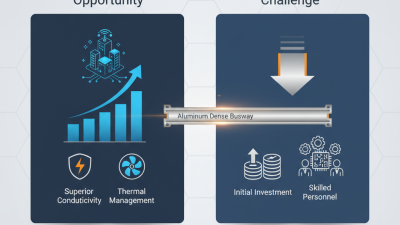
However, not all installations may embrace this technology seamlessly. Some challenges can arise in specific environments, such as extreme temperatures or high humidity. Understanding these potential pitfalls is essential for optimizing the benefits of Aluminum Dense Busway. With careful consideration and proper implementation, its role in energy distribution can significantly enhance operational efficiency.

What is Aluminum Dense Busway?
Aluminum dense busway refers to a system of electrical conductors designed for efficient power distribution in various applications. This solution utilizes aluminum as the primary material, offering significant advantages over traditional copper busbars. One of the main benefits is its lightweight nature, making installation easier and reducing structural load on supporting frameworks. The high conductivity of aluminum ensures that electrical currents can flow effectively, minimizing energy loss.
In industrial settings, aluminum dense busway is critical for managing high power loads. It is often used in data centers, manufacturing facilities, and other power-intensive environments. Its design allows for flexible layouts and adaptable configurations. However, it is important to note that while aluminum is corrosion-resistant, it requires proper maintenance to ensure long-term reliability. Some users may underestimate the importance of regular inspections. Over time, oxidation can occur, potentially leading to connection issues or electrical failures.
The efficiency of aluminum dense busway systems is evident, but it’s not a one-size-fits-all solution. Each installation must consider factors like temperature fluctuations and load variations. Users should be mindful of their specific requirements. Understanding these nuances can improve both safety and performance.
Key Components of Aluminum Dense Busway System
Aluminum Dense Busway systems are vital in modern electrical infrastructure. They provide an efficient means of power distribution. Understanding their key components enhances their effectiveness and reliability.
The conductor, often aluminum, is the heart of the busway system. It offers excellent conductivity. This helps minimize energy losses during transmission. Insulating materials provide safety and protect against unwanted electrical currents. The supporting structures ensure a secure installation, which is critical for operational stability. Connectors facilitate easy assembly while maintaining a strong electrical link.
Designing an effective Aluminum Dense Busway requires careful consideration. The layout must accommodate thermal expansion, which could cause stress over time. Regular maintenance can help identify potential issues before they escalate. It's essential to evaluate the entire system periodically. Even small factors, like environmental conditions, can impact performance. Achieving a balance between efficiency and longevity is a complex but important goal.
Aluminum Dense Busway Key Components and Their Importance
Advantages of Using Aluminum Dense Busway in Power Distribution
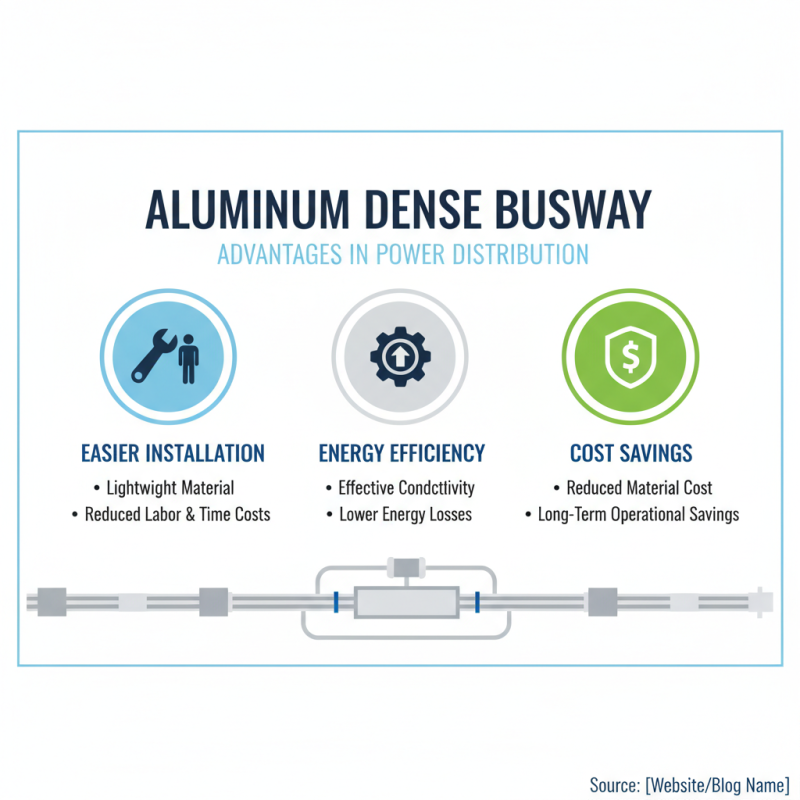
Aluminum dense busway is gaining traction in power distribution systems. Its lightweight properties make it easier to install compared to traditional copper systems. This ease of use can lead to reduced labor costs and installation time. Additionally, aluminum's conductive properties are quite effective, offering substantial energy efficiency.
The advantages of aluminum dense busway extend beyond mere installation. Aluminum is less prone to corrosion, ensuring higher durability over time. This feature can lead to lower maintenance costs, as the need for frequent replacements diminishes. Another point to consider is the reduced environmental impact. The use of aluminum supports sustainability efforts by minimizing waste and leveraging recyclable materials.
However, aluminum is not without challenges. It can be more susceptible to certain types of electrical failures than copper. This means that proper engineering practices must be applied to mitigate risks. Despite this, the trend toward aluminum dense busway continues as industries seek reliable solutions for power distribution. The ongoing dialogue around its effectiveness illustrates the evolving landscape of electrical systems.
Applications of Aluminum Dense Busway in Various Industries
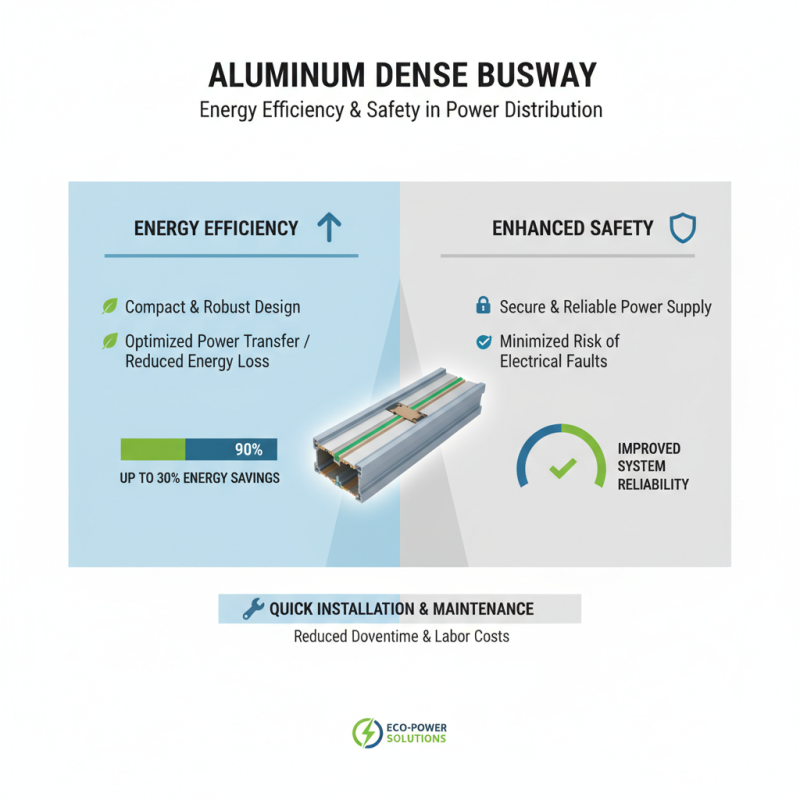
Aluminum dense busway plays a critical role in numerous industries. Its lightweight and durable properties allow for efficient power distribution. This system is often found in data centers, where high-density power usage is essential. The compact design saves valuable space, vital for operations that require maximized efficiency.
In manufacturing plants, aluminum dense busway enhances safety and reliability. It can withstand higher temperatures and heavy loads, making it suitable for demanding environments. Proper installation and maintenance are key factors for optimal performance. Despite its advantages, some installations may face challenges. Ensuring compliance with electrical standards is crucial.
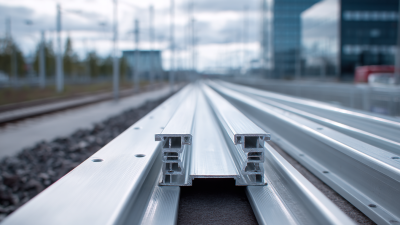
Transportation sectors also benefit from aluminum dense busway. Modern rail systems utilize this technology for seamless energy transmission. However, occasional overheating can occur in high-output scenarios. Continuous monitoring and adjustments may be necessary to maintain performance. Each industry showcases unique applications, highlighting the versatility of aluminum dense busway.
What is Aluminum Dense Busway and Why is it Important? - Applications of Aluminum Dense Busway in Various Industries
| Application Area |
Importance |
Benefits of Aluminum Dense Busway |
Example Industries |
| Data Centers |
High-efficiency power distribution |
Compact design, reduced installation time |
IT, Telecommunications |
| Manufacturing Facilities |
Reliable and flexible power solutions |
Durable, adaptable to changing layouts |
Automotive, Electronics |
| Commercial Buildings |
Space-saving electrical distribution |
Lightweight materials, lower seismic loads |
Hotels, Shopping centers |
| Renewable Energy |
Efficient power transmission |
Supports integration of solar and wind energy |
Solar Farms, Wind Farms |
| Transportation |
Heavy-duty electrical requirements |
High conductivity, withstands harsh conditions |
Rail, Electric vehicles |