Leave Your Message

2026 Top Sandwich Bus Duct Types for Global Buyers

The 2026 global market for Sandwich Bus Duct systems is becoming more specification-driven. Buyers now compare electrical capacity, installation speed, protection ratings, and long-term service access. A compact bus duct can replace large cable groups in factories, data centers, commercial towers, and renewable-energy facilities. It may also reduce routing congestion above ceilings. However, product names are not always consistent across suppliers.

This guide introduces the main Sandwich Bus Duct types for international buyers. It examines feeder systems, plug-in systems, rising busbar arrangements, fire-resistant designs, and cast-resin options. Each type serves a different operating condition. A high-current feeder may suit a manufacturing line, while a plug-in system allows flexible branch connections on multiple floors. In humid or dusty locations, enclosure sealing and corrosion protection deserve close attention. Small details matter.

Practical experience shows that selection cannot rely on current rating alone. Buyers should verify conductor material, insulation structure, short-circuit withstand, IP rating, temperature rise, joint design, and testing records. Relevant IEC or regional requirements should be confirmed with qualified engineers before purchase. Manufacturer reputation also matters. Installation errors can weaken an excellent product. That gap matters.

This overview uses technical comparisons and realistic project considerations to support safer procurement decisions. It also recognizes an uncomfortable truth: the lowest quotation may not represent the lowest lifetime cost. Transport distance, spare joints, commissioning support, and local maintenance skills can change the final result. Global buyers should request clear drawings, routine test reports, warranty terms, and documented compatibility with connected equipment. Some assumptions still require verification. That is where careful review becomes valuable.
2026 Top Sandwich Bus Duct Types for Global Buyers

What Is a Sandwich Bus Duct and How Does It Work?

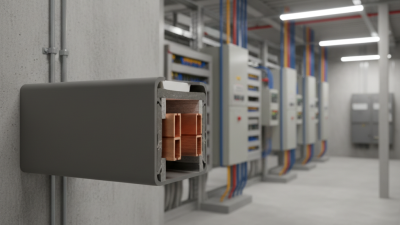
A sandwich bus duct is a prefabricated power distribution system with flat conductors pressed closely together inside a metal enclosure. Unlike traditional cable trays, it uses a compact, engineered path for high-current electricity. Copper or aluminum bars carry power, while insulation separates each phase. The enclosure supports mechanical strength and helps control electromagnetic effects. During operation, current moves through the bars and reaches equipment through plug-in tap-off boxes. These boxes can feed motors, lighting panels, or production machines along the duct route.

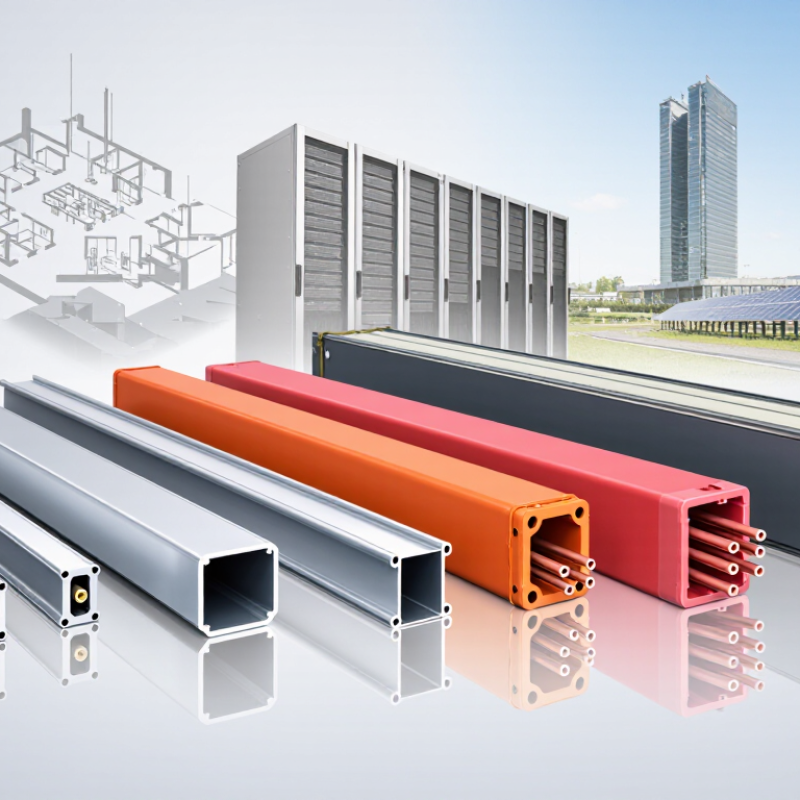
Common 2026 options include air-insulated, compact sandwich, and resin-insulated designs. Air-insulated ducts leave more spacing around the conductors. Compact types use thinner insulation and tighter construction, saving valuable ceiling space. Resin-insulated versions can improve moisture resistance in demanding areas.

Selection should consider rated current, voltage, fault withstand, enclosure protection, ambient heat, and installation height. IEC 61439-6 provides a useful reference for verification.

Still, a neat datasheet does not guarantee a good installation. I have seen joint alignment and torque checks receive too little attention. That is a costly weakness. Buyers should request temperature-rise data, short-circuit test evidence, material details, and clear joint instructions. Check the route on site. A small offset can complicate every connection.
Core Components and Structural Features of Sandwich Bus Duct Systems

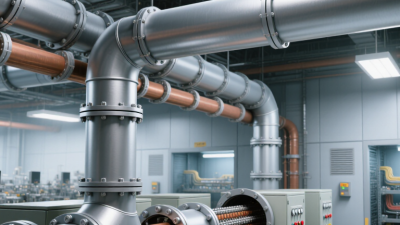
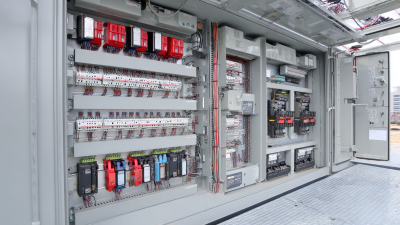
Sandwich bus duct systems are built around insulated conductor bars, joint packs, an enclosure, and connection units. The conductors usually use copper or aluminium, depending on current rating, weight, and project cost. Solid insulation separates each phase and reduces clearance requirements. A metal housing adds mechanical protection and supports heat dissipation. It also provides a continuous protective earth path when properly bonded.

The International Energy Agency’s Electricity 2024 report forecasts global electricity demand to increase by about 2,500 TWh between 2024 and 2026. This growth strengthens demand for compact power distribution in factories, data centres, and high-rise buildings. Under IEC 61439-6, designers must verify temperature rise, short-circuit withstand, dielectric performance, and mechanical strength. Joint covers matter. Poor alignment can create hot spots.

Tap-off boxes allow controlled connection to downstream loads. Their shutters, interlocks, and protective devices must match the system’s fault level and enclosure rating. IP protection is not decorative; dust and moisture can change service life. Installers often prefer plug-in joints because they reduce field work, but every joint still needs torque control and inspection. Small errors remain possible. Thermal calculations should consider ambient temperature, grouping, harmonic currents, and vertical installation. Many selection guides simplify these factors too much, which can produce an attractive design with weak operating margins.

2026 Top Sandwich Bus Duct Types for Global Buyers - Core Components and Structural Features of Sandwich Bus Duct Systems

Bus Duct Type Typical Voltage and Current Range Core Conductors Insulation and Housing Structure Key Structural Features Common Applications Typical Protection and Standards
Sandwich Compact Bus Duct Up to 1,000 V AC; approximately 160–6,300 A Copper or aluminium phase conductors; optional neutral and protective earth conductor Conductors separated by thin insulating film or molded insulation and compressed inside a metal enclosure Low-profile sandwich arrangement, short-circuit-resistant supports, joint blocks, flanged connections, and optional plug-in tap-off openings High-rise buildings, factories, commercial facilities, and data-center power distribution Commonly designed and tested to IEC 61439-1 and IEC 61439-6; enclosure protection often IP42–IP66 depending on construction
Air-Insulated Sandwich Bus Duct Up to 1,000 V AC; approximately 250–5,000 A Copper or aluminium bars with phase, neutral, and protective earth options Air gaps provide insulation; conductors are held by high-strength insulating spacers inside a ventilated or sealed metal housing Simple internal geometry, good heat dissipation, accessible joints, and suitability for long straight routes Industrial plants, utility rooms, workshops, and medium-to-high current feeder systems IEC 61439-6 is commonly used for assemblies; enclosure ratings vary from basic indoor protection to higher outdoor ratings
Plug-In Sandwich Bus Duct Up to 1,000 V AC; approximately 160–5,000 A Copper or aluminium conductors with dedicated tap-off contact areas Compact insulated conductor stack enclosed in powder-coated or galvanized steel housing Regular plug-in points, shuttered tap-off openings, removable feeder units, and flexible load expansion Manufacturing lines, retail buildings, offices, logistics centers, and flexible production areas Typically specified with IEC 61439-6 verification and IP55 or higher where tap-off units require enhanced ingress protection
Feeder Sandwich Bus Duct Up to 1,000 V AC; approximately 800–6,300 A High-capacity copper or aluminium phase conductors with neutral and earth configurations Closely spaced insulated bars inside a rigid steel or aluminium enclosure; usually without frequent tap-off points Optimized for low impedance, high thermal capacity, strong electrodynamic withstand, and long uninterrupted runs Transformer-to-switchboard links, main distribution risers, generators, and large industrial feeders IEC 61439-6 and applicable short-circuit withstand requirements; protection level is selected according to indoor or outdoor installation
Fire-Resistant Sandwich Bus Duct Up to 1,000 V AC; commonly 250–4,000 A Copper or aluminium conductors with mineral-based, mica, ceramic, or other fire-resisting insulation systems Enhanced fire barriers, heat-resistant joint materials, protected conductor supports, and a robust metal enclosure Maintains circuit integrity for a specified fire-resistance period when tested as a complete system Emergency power, smoke-control systems, hospitals, tunnels, airports, and high-rise evacuation services May require project-specific fire-resistance testing, IEC 60331 testing, and local building-code approval in addition to IEC 61439-6
Outdoor and Weather-Resistant Sandwich Bus Duct Up to 1,000 V AC; approximately 250–4,000 A Tinned or untreated copper, or aluminium conductors selected for the environmental conditions Sealed enclosure with corrosion-resistant coating, weatherproof joint covers, gaskets, and controlled drainage provisions Higher ingress protection, UV-resistant finishes, anti-condensation measures, and reinforced mounting supports Outdoor substations, rooftops, utility plants, process facilities, and connections between buildings Often specified at IP65–IP66 or above where required; corrosion class, UV exposure, temperature, and condensation must be assessed
Rising Main Sandwich Bus Duct Up to 1,000 V AC; approximately 250–4,000 A Copper or aluminium conductors with neutral and protective earth arrangements suited to vertical distribution Compact insulated bar stack with vertical joint sections, floor penetration seals, and coordinated tap-off boxes Space-saving vertical layout, strong mechanical anchoring, fire stopping at floors, and metered branch connections Residential towers, hotels, hospitals, office buildings, and mixed-use developments IEC 61439-6 is commonly referenced; fire stopping, smoke control, IP rating, and local electrical installation rules are also important
Core components generally include: phase conductors, neutral conductor, protective earth conductor, insulating films or spacers, joint blocks, flexible connectors, enclosure sections, tap-off units, end flanges, expansion joints, mounting brackets, fire barriers, and sealing gaskets. Actual current ratings, temperature-rise limits, short-circuit withstand values, and IP ratings must be confirmed from the tested design and project conditions.

Major Sandwich Bus Duct Types for Different Power Distribution Needs

Modern power projects need more than one sandwich bus duct type. Feeder sandwich bus ducts suit long routes between transformers, switchboards, and major panels. Their compact structure saves space in electrical rooms and reduces installation complexity. For factory floors, plug-in sandwich bus ducts provide flexible branch connections for machines and production lines. Tap-off points can be positioned near equipment, although poor planning may leave unused outlets.

Rising bus ducts support vertical distribution in offices, hospitals, and high-rise buildings. They reduce cable congestion between floors and allow organized meter connections. For outdoor or humid environments, weather-resistant designs need sealed joints and corrosion-resistant enclosures. Fire-resistant bus ducts are valuable in evacuation routes and critical facilities. Cast-resin types offer strong insulation and protection where moisture, dust, or chemical exposure is a concern. Selection must match voltage, current, fault level, ambient temperature, and installation route.

Tips: Confirm the short-circuit rating before ordering. Measure every bend and floor opening. Check joint access for future maintenance. Do not choose only by rated current; heat dissipation and ventilation also matter. In practice, drawings are sometimes incomplete, and site conditions change. A small routing error can create expensive rework. Independent inspection, tested components, and qualified installation teams improve reliability. Yet even a well-designed system deserves periodic torque checks, thermal scanning, and honest review after commissioning.

How to Compare Ratings, Materials, Safety, and Installation Methods

2026 Top Sandwich Bus Duct Types for Global Buyers

How to Compare Ratings, Materials, Safety, and Installation Methods

Choosing a sandwich bus duct starts with electrical ratings, not appearance. Compare continuous current, voltage, frequency, short-circuit withstand, and temperature-rise limits. A higher rating is not automatically better. Oversizing can increase cost, weight, and installation effort. Check derating factors for ambient heat, altitude, enclosure grouping, and ventilation. Project drawings should match the tested configuration, including joint units and tap-off boxes.

Material selection affects performance and maintenance. Copper conductors usually provide strong conductivity in compact systems. Aluminum can reduce weight and purchase cost, but joint preparation needs closer attention. Compare insulation type, flame behavior, moisture resistance, and corrosion protection. For humid or coastal sites, examine enclosure coatings and gasket quality carefully. Small details matter.

Safety evidence should include independent test reports and clear compliance with applicable regional standards. Review ingress protection, grounding continuity, separation between phases, and short-circuit testing. Installation may use horizontal, vertical, indoor, outdoor, or plug-in arrangements. Confirm support spacing, expansion provisions, alignment tolerances, and tightening torque. Poor joints create heat.

Experienced contractors inspect every connection before energizing. Infrared checks help find abnormal heating later. Yet specifications are sometimes copied without site verification. That is a weakness. Recheck actual loads, future expansion, lifting access, and maintenance clearance before approval. Good documentation should show inspection points, test values, and replacement procedures.

2026 Top Sandwich Bus Duct Types for Global Buyers

Comparison of typical continuous-current ranges, conductor materials, enclosure protection, and installation considerations.

Bus duct type Typical conductor options Typical enclosure protection Installation considerations
Air-insulated bus duct Copper or aluminum Commonly IP40–IP42 indoors Lightweight and accessible; requires more clearance and careful environmental control
Compact sandwich bus duct Copper or aluminum Commonly IP54–IP55 High power density; joint torque, alignment, and phase insulation are critical
Fire-resistant sandwich bus duct Copper or aluminum with fire-rated insulation system Often IP54–IP55, depending on construction Requires approved fire barriers, penetration sealing, and additional inspection
Outdoor/weather-resistant sandwich bus duct Copper or aluminum Typically IP65–IP66 when specified for outdoor service Needs weatherproof joints, drainage provisions, corrosion control, and support protection

The chart shows representative market rating ranges commonly encountered in low-voltage busbar trunking systems designed and verified to IEC 61439-6. The standard does not assign one universal rating to each construction type; final selection must confirm rated current, temperature rise, short-circuit withstand, IP rating, fire performance, ambient conditions, and installation configuration.

Global Buyer Guide to Standards, Applications, and Supplier Selection

2026 Top Sandwich Bus Duct Types for Global Buyers

Global buyers should match the bus duct type to load, environment, and installation access. Compact sandwich bus ducts suit high-rise buildings, factories, and data centers with limited shaft space. Air-insulated designs can offer easier heat dissipation and inspection. Fire-resistant or cast-resin systems fit tunnels, process plants, and areas needing stronger protection against moisture or smoke.

Standards must guide every comparison. IEC 61439-6 covers low-voltage busbar trunking systems, including design verification and temperature-rise performance. IEC 60529 helps buyers assess ingress protection ratings. Projects in North America may require UL 857 or applicable CSA requirements. Ask for routine test records, short-circuit withstand data, conductor resistance, and joint temperature results. Certificates alone are not enough.

Supplier selection should include more than price. Review copper or aluminum grades, enclosure thickness, joint hardware, tap-off units, and protection ratings. Check whether the supplier provides layout drawings, installation training, spare joints, and local technical support. For a data center, examine heat rise beside cable trays and cooling paths. For a factory, inspect dust exposure, impact risks, and maintenance clearance. A low quotation may hide weak documentation. No checklist is perfect. Site conditions can defeat a good design. Request a sample joint inspection and verify traceability from raw material to final testing.