2026 Best Bus Duct in Electrical Systems for Global Buyers
Selecting the right Bus Duct In Electrical systems requires more than comparing prices, enclosure sizes, or advertised current ratings. In 2026, global buyers face varied project conditions, including high humidity, dust, vibration, limited installation space, and demanding energy targets. A reliable bus duct should provide stable power distribution, secure insulation, practical maintenance access, and clear technical documentation. It must also match the building’s load profile, short-circuit requirements, ambient temperature, and installation environment.
Details matter. A factory line may need a compact system above crowded machinery, while a data center may require dependable redundancy and carefully controlled heat rise. Copper and aluminum conductors offer different balances of conductivity, weight, cost, and handling. Joint design matters too. Poorly prepared connections can create hot spots, even when the main conductor appears correctly specified. That risk deserves attention.
Performance claims need evidence. Buyers should review independent test reports, factory quality records, ingress protection data, temperature-rise results, and compliance with applicable regional standards. Certification alone is not enough. The installation team, site engineer, and manufacturer should confirm compatibility before shipment. Small omissions can become expensive delays.
Not every project needs the highest-rated product. Over-specification can waste budget and installation space, while under-specification can threaten safety and continuity. This guide examines leading bus duct solutions for international purchasing teams, with practical comparisons of design, materials, protection, testing, customization, delivery support, and lifecycle value. Some recommendations will depend on incomplete project information. That is worth admitting. Careful verification remains the most professional choice.

Bus Duct Fundamentals and Its Role in Electrical Power Distribution
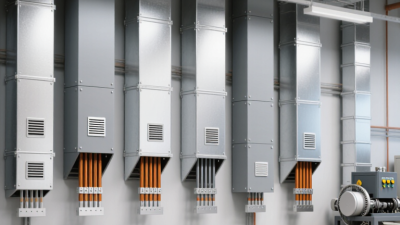
Bus duct, also called busbar trunking, is a compact system for distributing electrical power. It uses insulated copper or aluminum conductors inside a protected metal enclosure. Unlike long cable bundles, bus duct provides defined tap-off points along a route. This design supports cleaner layouts in factories, commercial buildings, and data facilities.
A typical system includes conductors, insulation, housing, joints, and plug-in units. Engineers select its rating by considering continuous current, short-circuit withstand, voltage drop, ambient temperature, and installation altitude. Protection also depends on enclosure type and ingress resistance. A qualified team should verify coordination with upstream breakers and local electrical codes. Small errors matter.
During installation, joint surfaces must remain clean and correctly aligned. Torque values should follow the manufacturer’s technical documents, then be recorded for inspection. Thermal scanning after energization can reveal loose connections before serious damage develops. Clearances around tap-off units also need checking. Crowded routes create avoidable maintenance risks.
Bus duct can reduce floor congestion and simplify future load changes. However, it is not automatically the best choice for every project. Complex routes, moisture, vibration, or frequent relocation may change the calculation. Designers sometimes focus on initial space savings and overlook spare capacity. That deserves a second look. Reliable power distribution requires tested components, competent installation, documented inspections, and realistic operating conditions.
Key Types of Bus Duct for Commercial and Industrial Applications
2026 Best Bus Duct in Electrical Systems for Global Buyers
Key Types of Bus Duct for Commercial and Industrial Applications
Bus duct, also called busway, supports flexible power distribution in buildings and factories. The IEA Electricity 2024 report forecasts global electricity demand growth of about 4% annually through 2026. This pressure makes scalable distribution increasingly important. However, the correct bus duct type depends on load, space, protection, and maintenance access.
Sandwich bus duct
uses closely arranged conductors inside a compact enclosure. It suits commercial towers, hospitals, and production floors where space matters.
Air-insulated bus duct
provides wider conductor spacing and can simplify heat dissipation. It may require more installation room.
Feeder bus duct
delivers power between main equipment and distant loads.
Plug-in bus duct
adds tap-off points along the route, supporting workshops and changing production lines.
Rising bus duct
systems serve vertical building distribution, especially in high-rise projects.
IEC 61439-6 remains a key reference for low-voltage busbar trunking systems. Yet, standards do not replace site engineering. I have seen compact layouts fail when future expansion was ignored.
Tips: Check short-circuit withstand, IP rating, temperature rise, fire-stopping, and grounding continuity. Leave practical space for inspection. Do not select only by current rating. Cable routes, ambient temperature, harmonics, and fault levels can change the real requirement. A 2024 report from the International Energy Agency also highlights stronger demand from data centres and electrification. That trend is significant, but project assumptions still need verification.
How to Evaluate Bus Duct Performance, Safety, and Reliability
When evaluating bus duct performance, begin with the electrical load and installation environment. Check rated current, voltage drop, temperature rise, and short-circuit withstand strength. A suitable system should match the project’s future load, not only today’s demand. Look beyond the label. Review test reports based on IEC 61439-6 or the applicable local standard. Independent laboratory evidence is more useful than sales claims.
Safety depends heavily on construction and installation quality. Examine enclosure protection, fire resistance, grounding continuity, and joint design. In dusty or humid areas, an appropriate IP rating helps prevent insulation damage. Joint connections deserve special attention. Incorrect torque can create hot spots, even when the duct appears properly installed. Thermal imaging during commissioning can reveal weak connections before they become failures. Clear installation instructions and trained technicians also reduce risk.
Reliability requires both design evidence and field discipline. Ask for temperature-rise data, mechanical impact results, insulation tests, and short-circuit test conditions. Confirm that the results reflect the actual conductor arrangement and enclosure type. Check whether expansion joints, supports, and flexible connections suit the building structure. Small details matter. A technically strong bus duct may still perform poorly when supports are misaligned or covers are forced into place. I would also allow inspection access, because maintenance assumptions are often too optimistic. Load growth, dust buildup, and repeated thermal cycling can change performance over time.
Global Standards and Compliance Requirements for Bus Duct Systems
Global Standards and Compliance Requirements for Bus Duct Systems
Bus duct selection should begin with the installation country, not the product catalogue. IEC 61439-6 defines requirements for low-voltage busbar trunking systems, including temperature rise, dielectric strength, short-circuit withstand, and routine verification. These tests matter where copper conductors pass above crowded production lines or through high-rise service shafts.
Local rules still change the final design. North American projects may require compliance with UL 857 and installation under the National Electrical Code. Enclosure protection should match site exposure, using IEC 60529 IP ratings for dust and water resistance. A higher IP rating is not automatically safer. Poor joint sealing can still allow moisture into a warm, energized system.
Look closely at evidence.
A professional technical file should include type-test reports, routine-test records, conductor materials, joint torque values, and temperature-rise data. NFPA research reports that electrical distribution and lighting equipment was involved in about 32,000 U.S. home structure fires annually from 2016 to 2020. Bus duct is not the only cause, but the figure shows why connection quality deserves serious attention.
Short-circuit ratings also require careful interpretation. The system rating must suit the available fault current, protective-device coordination, and installation length. Some specifications list impressive withstand values without explaining test conditions. That is a weakness worth challenging. Global buyers should request certificates from accredited laboratories and verify whether the tested configuration matches the project’s actual tap-off units, joints, supports, and ambient temperature.
Choosing the Best Bus Duct Supplier for International Projects
For an international electrical project, supplier selection matters as much as bus duct design.
The right partner must understand load schedules, ambient conditions, installation access, and local approval routes. Look beyond price. Request verified factory records, material traceability, routine test reports, and references from comparable installations. A supplier with experienced application engineers can detect problems before copper reaches the site.
Ask how the supplier manages temperature rise, short-circuit withstand, enclosure protection, and joint alignment.
Require drawings with clear dimensions, tap-off positions, fire-stopping details, and maintenance clearances.
For cross-border work, confirm compliance with IEC 61439-6, UL 857, or another required standard.
Independent inspection can check conductor quality, insulation, torque values, and enclosure consistency before shipment. Factory acceptance testing should use agreed procedures, not informal assurances. That detail matters.
Logistics deserves equal attention.
The supplier should provide packing plans, lifting points, humidity protection, spare joints, and a realistic delivery schedule. Ask who handles damaged parts, customs documents, site changes, and technical questions across time zones. Clear warranty terms should define response times and replacement responsibilities.
I would still challenge every promise.
A polished presentation cannot replace test evidence, responsive communication, and lessons from failed installations. One weakness remains easy to miss: even a technically strong supplier may underestimate local labor skills. Include installation training and supervisor support in the contract. This is often overlooked.