Top 10 Bus Duct Suppliers in China for Global Buyers?
In the rapidly evolving electrical industry, bus ducts play a crucial role in distributing power efficiently. These components are vital for various applications across commercial and industrial sectors. As global demand for reliable electrical infrastructure grows, identifying reputable suppliers becomes essential for buyers.
China is home to many leading bus duct manufacturers. Each has its strengths and weaknesses. Some specialize in high-quality materials, while others focus on cost efficiency. This diversity provides buyers with options tailored to specific needs. However, navigating this market can be challenging for international clients. Selecting the right partner requires careful consideration of product specifications, quality standards, and after-sales service.
The following overview highlights the top bus duct suppliers in China. Each company's expertise and reputation are examined. We provide insights into their offerings, manufacturing capabilities, and industry presence. However, potential buyers must reflect on their unique requirements before making a decision. This exploration aims to inform and guide global buyers in their quest for the best bus duct solutions.

Overview of Bus Ducts and Their Applications in Industry
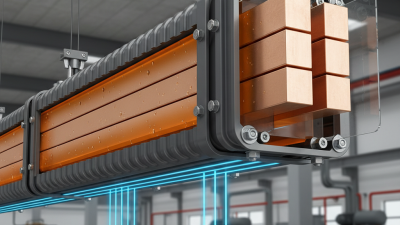
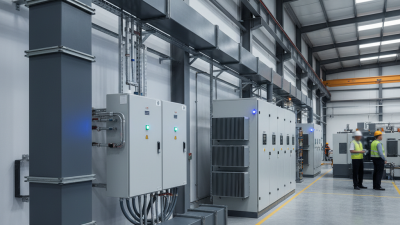
Bus ducts are essential components in electrical distribution systems.
They provide a safe and efficient way to distribute power in industrial settings. These systems are widely used
in places like manufacturing plants and data centers. Their robust construction means they can handle
high currents with ease, ensuring that machinery and
equipment operate reliably.
In industries, bus ducts facilitate easy installation and maintenance. They come in various configurations,
allowing flexibility for different applications. Bus ducts can be tailored to specific power requirements.
This adaptability helps optimize space and enhance safety. However, improper installation or poor quality
materials can lead to serious issues. Users must prioritize quality and expert installation
to avoid these pitfalls.
Reliability is critical when it comes to power distribution. This is where ongoing education and research
play a role. Industrial stakeholders should remain informed about advancements in bus duct technology.
Staying updated can reduce risks and improve performance. Learning from past mistakes is crucial.
The goal is to foster a safer and more efficient working environment.
Key Factors to Consider When Choosing a Bus Duct Supplier
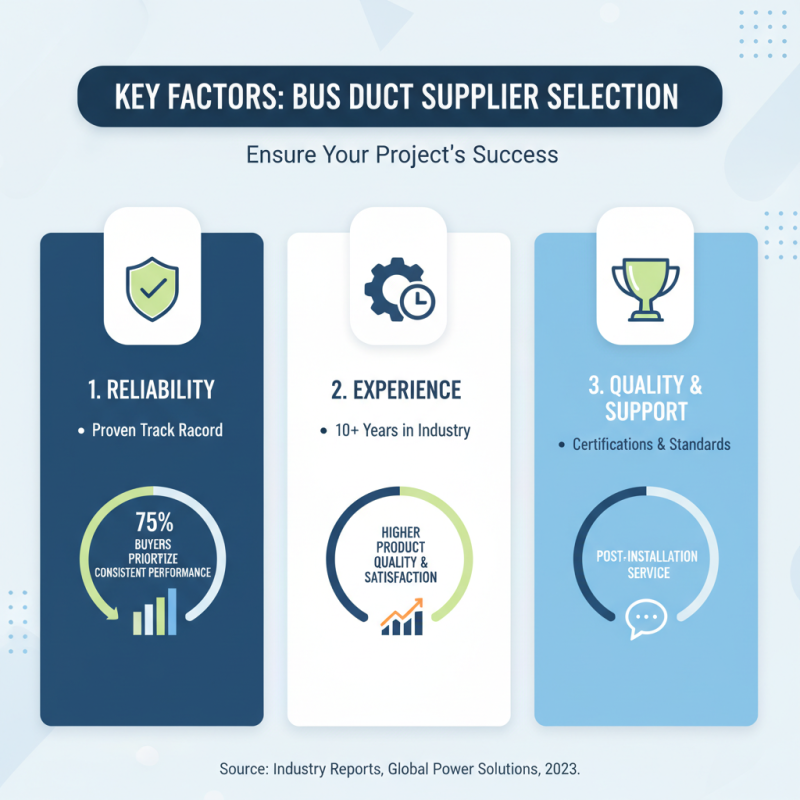
When selecting a bus duct supplier, consider several key factors that can significantly impact your project's success. Reliability is paramount. Look for suppliers with a proven track record. According to industry reports, companies with over 10 years of experience often demonstrate higher product quality and customer satisfaction. Recent data reveals that 75% of buyers prioritize suppliers known for their consistent performance.
Product variety is another essential aspect. A diverse range of offerings can meet specific needs in various industries. This may include different voltage ratings or materials used. Reports indicate that 65% of buyers prefer suppliers who can provide customized solutions. However, be cautious. Not all suppliers have robust testing facilities, which may lead to quality inconsistencies.
Lastly, consider the supplier's customer support services. Effective communication and after-sales support can prevent potential issues. Research indicates that 70% of buyers face challenges due to inadequate support from suppliers. It’s worth reflecting on whether a supplier's service approach aligns with your expectations. A detailed evaluation of these factors can lead to a more informed choice, ultimately improving project outcomes.
Top Bus Duct Manufacturers in China: A Comparative Analysis
When evaluating the bus duct manufacturing landscape in China, various factors come into play. The market has seen significant growth, with a projected CAGR of around 8% over the next five years. This growth is driven by increased demand for energy-efficient solutions in electrical distribution systems.
A comparative analysis of leading manufacturers reveals variations in quality and technology level. Some companies are investing heavily in R&D to innovate their offerings. However, many still rely on outdated methods, risking their competitiveness. Industry reports indicate that nearly 30% of bus duct products fail to meet international standards, which raises concerns about quality assurance.
Additionally, supply chain management remains a challenge. A significant number of manufacturers are situated in specific regions, making logistics complex. Disruptions in materials supply can lead to delays in production. This fragility highlights the necessity for buyers to conduct thorough evaluations before engaging with suppliers.
Customer Reviews and Insights on Leading Bus Duct Suppliers
When looking for bus duct suppliers in China, customer reviews often provide valuable insights. Many reviews highlight the importance of product quality and reliability. Buyers frequently mention the need for consistency in performance. This is crucial for long-term projects where temporary solutions won't suffice. Feedback from various industries indicates that organizations prefer suppliers who offer robust support and timely deliveries.
Some customers express concerns about after-sales service. A few reported challenges in reaching customer support for inquiries. Additionally, some suppliers received mixed reviews on installation assistance. Organizations often look for suppliers who provide clear guidelines and support throughout the installation process. These insights underline the significance of both product and service quality in supplier selection.
The price of bus ducts can significantly influence buyer decisions. Customers note the importance of finding a balance between quality and cost. Some suppliers may offer lower prices, but this can come with risks. Buyers emphasize the need for transparency in pricing. Reviews suggest that trust is built when suppliers are upfront about potential hidden costs. By considering customer experiences, global buyers can make informed decisions.
Top 10 Bus Duct Suppliers in China - Performance Overview
Future Trends in Bus Duct Technology and Supplier Landscape
The future of bus duct technology is increasingly driven by efficiency and sustainability. According to a report by MarketsandMarkets, the global bus duct market is expected to reach USD 5.5 billion by 2025, growing at a CAGR of 6%. This growth is propelled by the demand for energy-efficient systems. Manufacturers are innovating to create lighter, more compact designs that consume less space and reduce installation costs.
Emerging technologies like IoT are reshaping the supplier landscape. Real-time monitoring of electrical systems ensures higher reliability and maintenance predictability. This shift enhances safety and operational effectiveness. However, some suppliers struggle to adapt to rapid changes in technology. The use of smart features in bus ducts is not yet universal. There is hesitation in fully integrating these advanced solutions.
Sustainability remains a focal point. Manufacturers are exploring eco-friendly materials. The push for low-carbon solutions is evident. For instance, the shift to recyclable materials can impact the lifecycle assessment of products. Yet, companies still face challenges in balancing cost and innovation. The evolution of bus duct technology is promising, but complexities remain as suppliers strive to meet growing global demands.