Top 10 Benefits of Compact Busway for Global Buyers?
In an increasingly interconnected world, the demand for efficient energy distribution systems is on the rise. One solution gaining traction is the Compact Busway. This system offers significant advantages over traditional wiring methods. Its design promotes space-saving and minimizes installation costs.
As economies evolve, industries are keen to adopt innovative technologies. The Compact Busway not only enhances energy efficiency but also streamlines maintenance processes. This feature is crucial for businesses focusing on sustainability. Moreover, the modular nature of Compact Busway installations enables quick adaptations as requirements change.
For global buyers, understanding these benefits is vital. The Compact Busway stands out for its reliability and flexibility. While the benefits are clear, considerations like initial investment and compatibility with existing systems must also be evaluated. The journey to optimizing energy distribution begins with informed choices about systems like the Compact Busway.

Key Features That Make Compact Busway an Attractive Choice
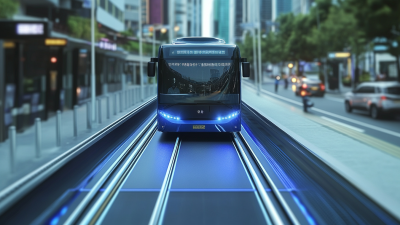
Compact busway systems offer numerous advantages for global buyers, especially in urban environments. One key feature is their space-saving design. Unlike traditional bus systems, compact busways require less physical infrastructure. This can significantly reduce the overall footprint of transportation projects. A report from the International Transport Forum indicates that cities could lower transportation costs by up to 30% by adopting more efficient systems like compact busways.
Another attractive aspect is their flexibility. Compact busways can be easily integrated into existing transportation networks. This adaptability allows cities to respond to changing demands and urban growth. Research from the World Bank highlights that cities implementing flexible transport solutions experience a 15% increase in passenger satisfaction. Such improvements can result in a higher public transport usage rate, which is essential for sustainable urban development.
Despite their benefits, some challenges persist. Installation can be complex, requiring thorough planning and coordination. Additionally, maintenance can be a concern if local authorities lack the resources or expertise. Addressing these issues is essential to fully capitalize on the potential of compact busways. Nevertheless, their design and operational benefits make them a compelling option for many cities worldwide.
Top 10 Benefits of Compact Busway for Global Buyers
Cost-Effectiveness: Savings in Installation and Maintenance
Compact busway systems have gained attention in industrial and commercial applications, primarily for their cost-effectiveness. A recent industry report revealed that businesses can save up to 30% in installation costs compared to traditional electrical distribution systems. The simplicity of the compact busway design reduces labor needs and installation time. As a result, companies can redirect these resources toward other vital areas of their operations.
Maintenance costs also show a notable decrease. According to industry data, the average cost of maintaining a compact busway system is approximately 25% lower than conventional alternatives. Their durable materials mean less frequent replacements. Yet, some users may overlook the importance of regular inspections. While compact systems are resilient, they are not immune to wear. Addressing potential issues early can prevent greater expenses down the line.
Investment in compact busway technology pays off. The upfront savings are substantial, but ongoing benefits can be even more significant. However, ensuring proper training for installation and maintenance teams remains crucial. Not every company may have the expertise required, resulting in potential inefficiencies. As buyers evaluate their options, balancing initial cost with long-term reliability is essential.
Space Efficiency: Optimizing Urban Design with Compact Busways
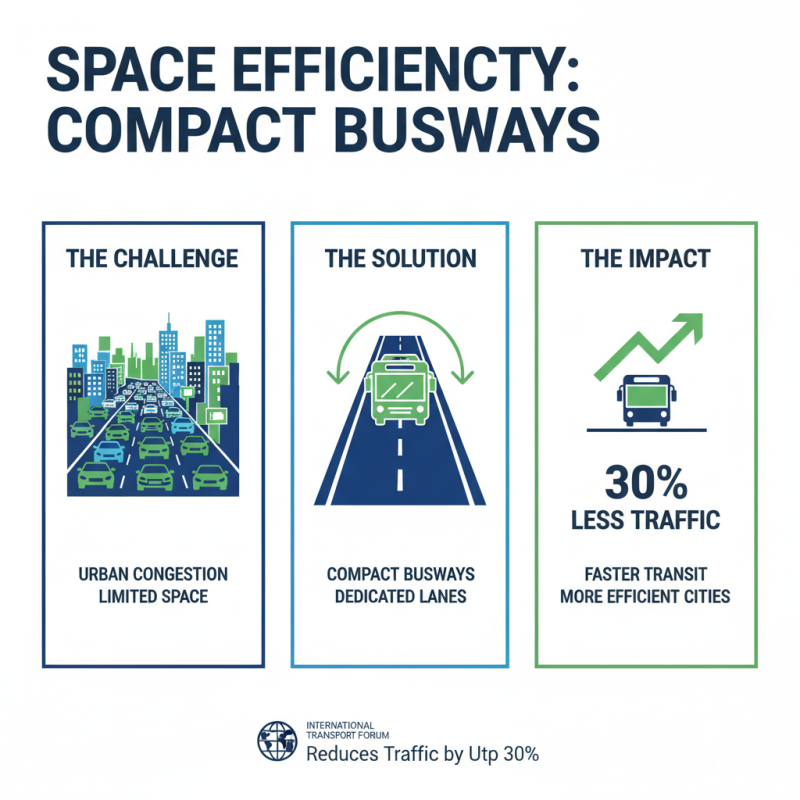
Compact busways are revolutionizing urban transportation. Urban areas are often heavily congested. While cities grow, space becomes limited. Compact busways emerge as a solution to this dilemma. According to the International Transport Forum, urban bus systems can reduce traffic congestion by up to 30%. This effect significantly improves space efficiency in densely populated regions.
Implementing compact busways frees up travel lanes. This helps cities redesign underutilized areas. For example, transformed roads can create pedestrian zones or parks. An analysis by the Urban Institute highlights that reallocating road space can reduce vehicle emissions by 20%. However, cities may face challenges in gaining community support for such changes. Public perception often favors traditional transport methods. Involving local communities in planning phases is crucial to increase acceptance.
Compact busways also offer flexibility in design and implementation. They can be tailored to fit within existing urban infrastructure. Yet, their installation may require careful planning and funding strategies. Not every city has adequate financial resources. Public-private partnerships could enhance feasibility, but they come with their own set of challenges. Balancing public needs and private interests is essential for successful outcomes. This process often demands thorough evaluation and adjustments. The journey toward compact busways is complex, but the potential benefits for urban design are undeniable.
Environmental Advantages of Using Compact Busway Systems
The environmental benefits of using compact busway systems are significant. These systems reduce energy consumption and greenhouse gas emissions. By optimizing the transport of electricity, they ensure efficient power distribution with minimal waste. Compact busways require less space, which helps preserve green areas and promotes urban sustainability.
Innovative design also contributes to their eco-friendliness. Less material is needed to manufacture compact busways compared to traditional systems. This reduction in material consumption can lower the carbon footprint during production. However, there can be challenges such as installation difficulties in dense urban settings.
Moreover, maintenance practices should be efficient and eco-conscious as well. Improper maintenance can lead to inefficiency, causing environmental harm. Buyers must ensure that the systems are well cared for to maximize their benefits. Overall, while compact busways offer promising environmental advantages, careful consideration is essential for achieving optimal results.
Flexibility and Scalability: Adapting to Changing Infrastructure Needs
In today’s fast-paced world, the need for flexible infrastructure is paramount. Compact busway systems offer an adaptable solution for varying transit demands. These systems can easily be modified to accommodate evolving commuter patterns. This flexibility allows city planners to respond swiftly to population growth or changes in traffic flow.
Scalability adds another layer of advantage. Compact busways can be expanded or contracted based on real-time needs. This adaptability is not just theoretical; many urban areas have successfully integrated these systems into existing frameworks. For instance, during peak hours, additional lines can be activated to handle increased passenger volumes. However, this requires careful planning to ensure efficiency.
Despite their benefits, issues like installation costs and maintenance can't be overlooked. Local governments need to evaluate potential obstacles before moving forward. Balancing immediate needs with long-term goals is crucial. Stakeholders must work collaboratively to pave a smoother path for urban transport. The careful consideration of these elements will ultimately determine the success of compact busway implementation.
Top 10 Benefits of Compact Busway for Global Buyers
| Benefit |
Description |
Impact |
| Flexibility |
Easily modify layouts to accommodate changes in operations. |
Allows businesses to adapt quickly to new needs. |
| Scalability |
Supports growth by adding new modules without major overhauls. |
Facilitates business expansion smoothly. |
| Space Efficiency |
Minimal footprint compared to traditional wiring systems. |
Maximizes available workspace. |
| Safety |
Reduced risk of electrical hazards. |
Ensures a safer working environment. |
| Cost-Effectiveness |
Lower installation and maintenance costs over time. |
Improves bottom line through reduced expenditures. |
| Quick Installation |
Rapid deployment compared to traditional systems. |
Minimizes downtime during setup. |
| Environmental Impact |
Often designed to utilize sustainable materials. |
Contributes to eco-friendly operations. |
| High Performance |
Offers reliable and efficient power distribution. |
Enhances operational efficiency. |
| Versatile Application |
Can be used in various settings from industrial to commercial. |
Widens market appeal. |
| Aesthetic Appeal |
Designed with a modern look that integrates well with decor. |
Enhances the overall atmosphere of facilities. |