Top 10 Benefits of Busway Trunking System for Global Buyers?
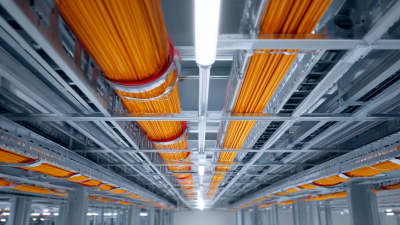
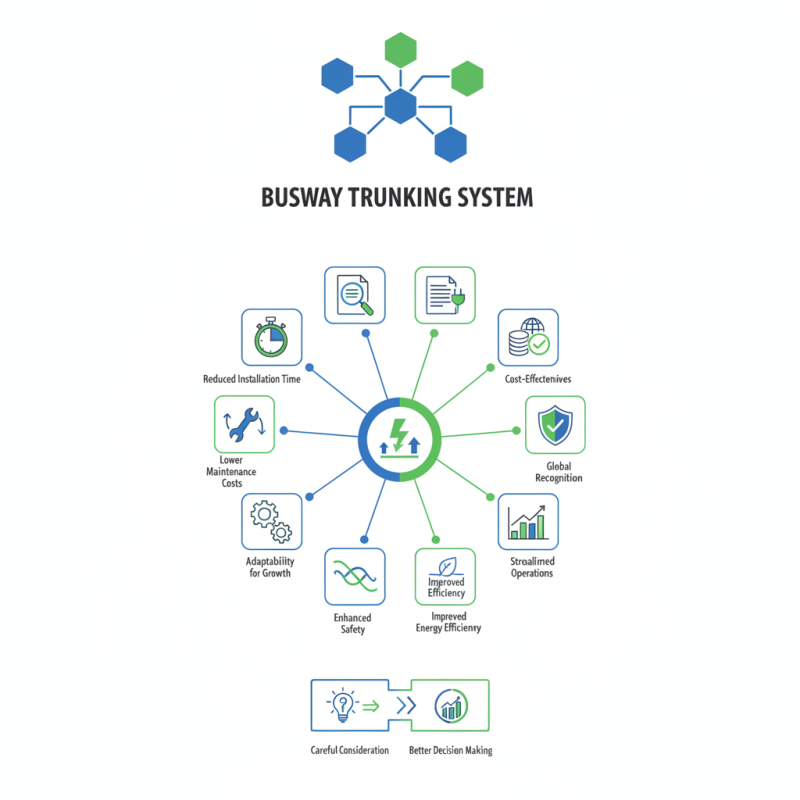
The Busway Trunking System stands out as a modern solution for efficient power distribution in various industries. Its design ensures safety, flexibility, and ease of installation. Global buyers are increasingly recognizing the advantages this system offers over traditional wiring methods. By implementing a Busway Trunking System, businesses can streamline operations while enhancing energy efficiency.
The benefits are numerous. Reduced installation times and lower maintenance costs are just the beginning. Additionally, this system provides adaptability for growing power needs. However, challenges exist. Not all systems are created equal, and buyers must conduct thorough research before purchasing. This is crucial for ensuring that the selected Busway Trunking System meets specific operational requirements.
Investing in a Busway Trunking System requires careful consideration. Each application is unique, and a one-size-fits-all approach may not apply. Buyers should examine case studies and seek expert opinions. This will enhance their understanding of how to effectively implement this technology in their facilities. Proper reflection on these aspects leads to better decision-making in an ever-evolving marketplace.
Benefits of Busway Trunking Systems in Reducing Installation Costs
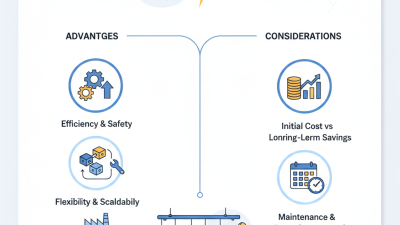
The busway trunking system presents distinct advantages for reducing installation costs. These systems often allow for quicker installation compared to traditional wiring methods. Installation time is significantly cut down, helping contractors save labor costs. Simpler configurations can result in fewer hours on-site, leading to overall budget efficiency.
Flexibility is another key aspect. Busway systems can adapt easily to changes in infrastructure. If a layout needs adjustment, modifications can be done without extensive rewiring. This adaptability reduces material waste and additional labor expenditures. However, this flexibility can sometimes lead to complications in planning, requiring careful consideration before implementation.
Moreover, busway trunking systems improve energy efficiency. They minimize energy losses that often occur with outdated methods. By providing a cohesive distribution network, energy management becomes simpler and more efficient. Although energy savings might take time to materialize, the long-term financial benefits are substantial. It's essential to approach each project with a critical eye, considering the balance between initial costs and long-term advantages.
Top 10 Benefits of Busway Trunking System for Global Buyers
The bar chart above highlights the top 10 benefits of the Busway Trunking System, showcasing the perceived scores for each benefit on a scale of 0 to 100. These benefits emphasize cost efficiency, installation ease, design flexibility, and optimal space use, making it a valuable choice for global buyers.
Enhanced Efficiency: How Busway Trunking System Optimizes Energy Distribution
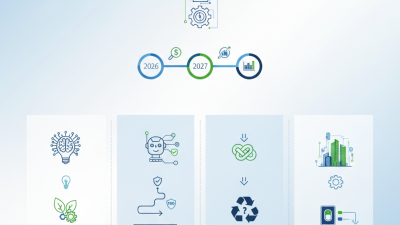
The Busway Trunking System has emerged as a game-changer in energy distribution. This system provides superior efficiency through its design that minimizes electrical losses. According to a report from the International Energy Agency (IEA), implementing this technology can reduce energy consumption by up to 20%. Such savings are particularly crucial for industries aiming to enhance their sustainability.
Energy distribution is often challenging in large facilities. Traditional wiring can lead to significant energy loss, contributing to higher operational costs. A recent study indicated that over 30% of energy distributed through conventional methods is wasted. The Busway Trunking System addresses this issue effectively by using a compact form factor that ensures better power flow. Its modularity allows for easy integration and scalability.
While the benefits are significant, some users note challenges, like installation complexity and initial costs. Each facility needs to evaluate its specific needs. Decision-makers should weigh upfront investments against potential long-term savings. With proper assessments, the Busway System can streamline operations while supporting greener initiatives. The ongoing trend in energy efficiency emphasizes the need for solutions that aren't just effective but also adaptable to future demands.
Safety Features of Busway Trunking Systems in Industrial Applications
Busway trunking systems are known for their robust safety features, making them vital in industrial settings. These systems are designed with multiple layers of insulation, effectively minimizing electrical hazards. By enclosing high-voltage cables in protective channels, they help prevent accidental contact. This design reduces the risk of electric shock during maintenance or unexpected failures.
Another key safety aspect is their adaptability to environmental conditions. Many busway trunking solutions can withstand extreme temperatures and harsh chemicals. This resilience is crucial in industries like manufacturing or chemicals, where exposure to such elements is common. Regular inspection protocols are essential to ensure the integrity of these systems. However, neglecting maintenance can lead to significant safety risks, highlighting the need for a proactive approach.
Installation also plays a critical role in the safety of busway trunking systems. Proper installation can enhance structural stability and prevent potential failures. Nevertheless, improper practices can compromise safety. Training personnel on installation and maintenance is an ongoing challenge. It's vital for companies to invest in continuous education to uphold safety standards in the workplace.
Top 10 Benefits of Busway Trunking System for Global Buyers - Safety Features of Busway Trunking Systems in Industrial Applications
| Benefit |
Description |
Safety Feature |
Application Example |
| Space Efficiency |
Busway trunking systems require less space compared to traditional wiring methods, optimizing facility layouts. |
Compact Design |
Manufacturing plants |
| Easy Maintenance |
Simplifies maintenance routines thanks to accessible design and modular components. |
Quick Disconnect Features |
Data center upgrades |
| Scalability |
Easily expandable to accommodate growing power needs in dynamic environments. |
Modular Design |
Large industrial operations |
| High Current Capacity |
Designed to handle high electrical loads efficiently, ideal for heavy machinery. |
Thermal Management Features |
Steel manufacturing |
| Enhanced Safety |
Built with safety features to minimize electrical hazards, promoting workplace safety. |
Insulation and Shielding |
Power stations |
| Reduced Installation Time |
Faster installation processes reduce downtime, allowing for quicker operation start. |
Pre-fabricated Sections |
Construction sites |
| Environmental Adaptability |
Able to withstand harsh industrial conditions, ensuring longevity and reliability. |
Corrosion Resistant Materials |
Chemical processing plants |
| Cost-Effectiveness |
Long-term savings on installation and maintenance reduce overall operational costs. |
Energy Efficiency |
Commercial warehouses |
| Improved Aesthetics |
Sleek design enhances the visual appeal of industrial spaces. |
Visual Design Considerations |
Modern factories |
| Real-Time Monitoring |
Capabilities for integrating monitoring systems allow for proactive management of electrical systems. |
Smart Technology Integration |
Renewable energy facilities |
Comparative Analysis: Busway Trunking vs. Traditional Wiring Solutions
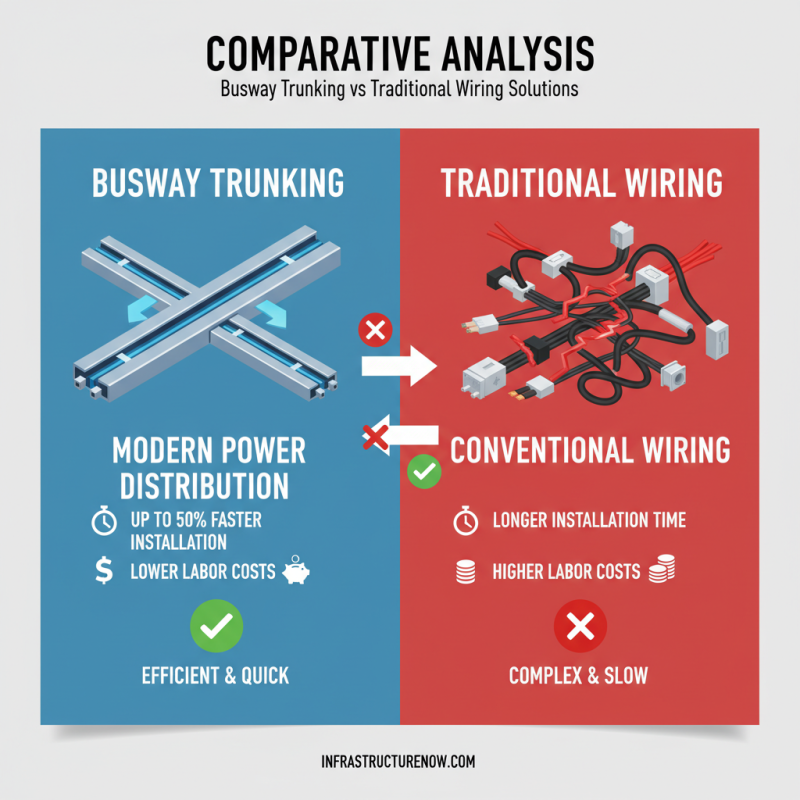
Busway trunking systems are becoming increasingly popular over traditional wiring solutions. One major advantage is their efficiency. Reports indicate that busway trunking can reduce installation time by up to 50%. This efficiency translates into lower labor costs and quicker project completion times. In industries where time is money, this benefit cannot be overlooked.
Another compelling difference lies in the safety and reliability they offer. Traditional wiring can become a safety hazard due to overheating. In contrast, busway trunking systems have built-in heat dissipation features. Studies show that systems with proper ventilation significantly reduce fire risks. Furthermore, they provide a more organized wiring solution, which minimizes errors during maintenance.
However, challenges exist in transitioning from traditional wiring to busway trunking. Some facilities may require retrofitting that incurs additional costs. In addition, the initial investment for busway trunking can be higher compared to conventional wiring. It’s essential for buyers to weigh these factors against long-term savings. Effective project planning and thorough cost analysis are crucial in making the best choice.
Sustainability Impact: Environmental Benefits of Busway Trunking Systems
Busway trunking systems are gaining traction for their significant environmental benefits. These systems efficiently distribute power, reducing energy loss by up to 20%. A 2022 report from the International Energy Agency highlights that building energy use contributes to nearly 40% of global carbon emissions. By adopting busway systems, companies can make a tangible dent in their carbon footprints.
Moreover, busway trunking uses less material compared to traditional conduits, minimizing waste during production. This results in a more sustainable supply chain. According to a study by the Global Sustainability Institute, switching to efficient trunking can lower installation time by 30%. This reduction not only saves precious resources but also promotes a quicker return on investment for businesses aiming to enhance sustainability.
Tip: When considering busway trunking, evaluate the potential for energy savings based on your specific setup. Analyze existing power distribution systems for inefficiencies. A detailed assessment could reveal opportunities for greater financial and environmental gains. Reflection on these changes is key to advancing sustainability efforts. Implementing these systems could provide the dual benefit of reducing costs and improving your organization's environmental impact.