10 Essential Tips for Choosing Busbar Systems for Your Next Project?
Choosing the right Busbar Systems for your project is crucial for efficiency and safety. Renowned expert in electrical engineering, Dr. Emily Chen, states, "A well-designed busbar system can make or break your electrical infrastructure." Her insights highlight the importance of careful selection.
Busbar Systems are not merely conduits for electricity; they ensure reliable power distribution. Understanding their specifications requires knowledge of load capacity, material choice, and thermal management. Factors like installation space and environmental conditions also play a role in the decision-making process.
Many projects overlook these essentials. It's easy to view Busbar Systems as a secondary consideration. However, neglecting them can lead to significant issues down the line. Proper research and expert consultation are advisable. Take the time to evaluate your options carefully. This could very well determine the success of your project's electrical framework.
Understanding the Importance of Busbar Systems in Electrical Projects
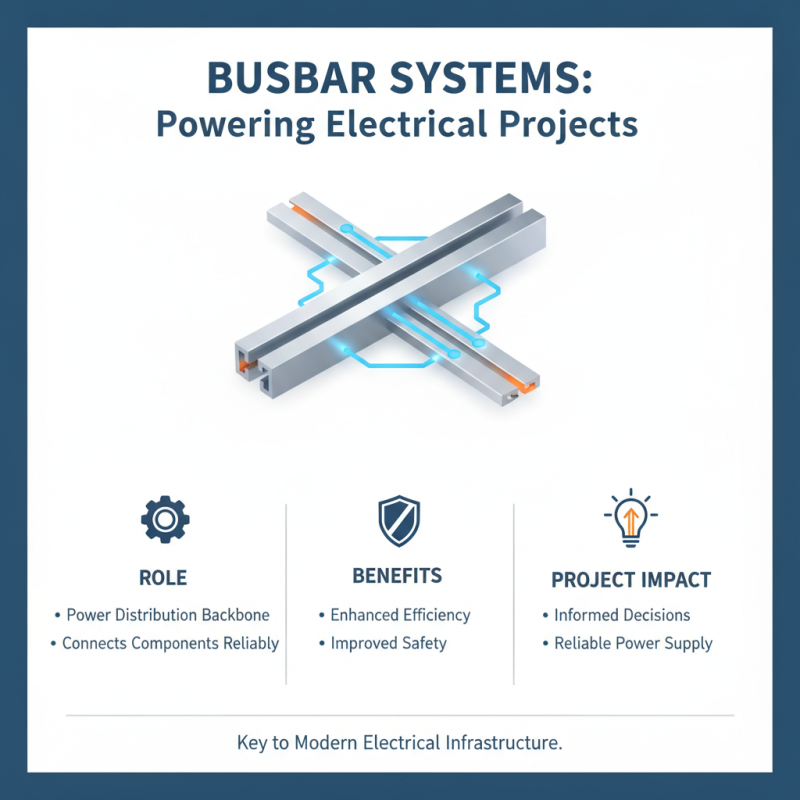
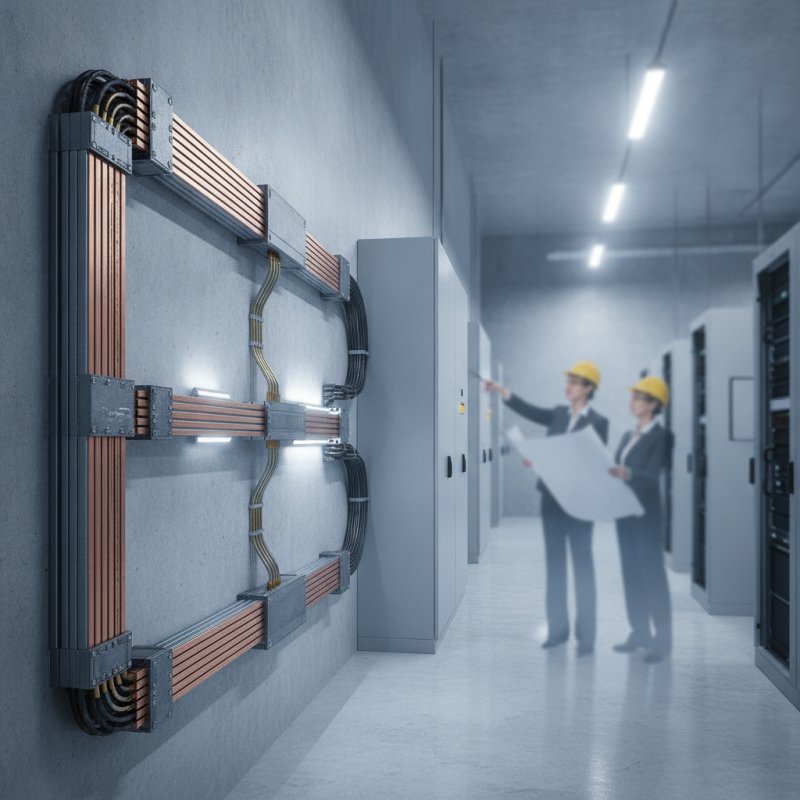
Busbar systems play a crucial role in modern electrical projects. They serve as the backbone for power distribution, providing a reliable means to connect various components. By understanding their importance, project managers can make informed decisions that enhance efficiency and safety.
Opting for the right busbar system means considering several factors. Current ratings, environmental conditions, and installation space are vital. Selecting the wrong type can lead to issues like overheating or insufficient capacity. These problems often stem from a lack of research or oversight. When project specifications change, it may lead to regrets about the initial choice.
Additionally, collaboration with professionals can ensure optimal results. Engaging with experienced engineers can provide insight into best practices and potential pitfalls. It's essential to conduct thorough evaluations and stay updated on industry standards. This attention to detail can prevent costly mistakes and ensure the system meets project demands efficiently.
Key Factors to Consider When Selecting Busbar Systems
When selecting busbar systems, several key factors demand attention. Start with the current rating. It determines the system's capacity. Ensure it matches the load requirements of your project. Underestimating this can lead to overheating and system failure. Next, consider the material. Copper and aluminum are common choices. Copper offers lower resistance, but aluminum is lighter. The choice will impact installation and long-term performance.
Another critical aspect is insulation. Proper insulation protects against electrical faults. Look for high-quality materials that comply with relevant safety standards. This is especially crucial in industrial settings. Environmental factors should also be evaluated. Exposure to moisture or chemicals can affect the busbar's integrity. Choose systems designed for specific environments to ensure longevity.
Finally, think about future scalability. Projects may evolve, and additional loads could be added later. Systems that allow for easy expansion can save money and effort. However, it's essential to weigh the costs versus benefits. Not all systems offer this flexibility. Reflect on these factors carefully before making a decision. The right choice will support your project's success and safety.
Comparing Different Types of Busbar Systems Available
When selecting busbar systems for your project, understanding the different types available is crucial. Busbars are vital for electrical distribution. They come in various forms, such as copper and aluminum. Each material offers distinct advantages and suitability based on project needs.
Consider conductivity when choosing your busbar. Copper has superior conductivity but is more expensive. Aluminum is lighter and cheaper but may not handle high currents as well. Think about installation ease too. A well-designed busbar should minimize complexity. Remember that busbars also need adequate insulation. Poor insulation can lead to electrical losses and safety hazards.
Weight and size are important factors as well. Some projects may require compact solutions, while others might utilize larger busbars for increased capacity. Evaluate all these factors carefully. Take time to calculate the necessary load and ensure the system meets requirements. Ensure your choice balances cost, performance, and safety adequately. Making a decision without proper evaluation can lead to future problems.
Evaluating the Load Requirements for Your Busbar Application
When selecting a busbar system, evaluating load requirements is crucial. Load requirements dictate the design and capacity of the system. According to a recent report by the Electric Power Research Institute, accurate load assessments ensure optimal performance and longevity of electrical systems. Mismatched loads can cause overheating or failure, risking critical equipment.
Understanding the specifics of load types is essential. Some projects may experience variable loads due to fluctuating demand. IEEE standards suggest that both peak and average loads must be accounted for. This data helps determine the necessary busbar rating and material choice. An underperforming busbar can lead to inefficient energy usage, which is a significant concern in modern energy management practices.
Procuring the right materials is also about balancing cost and performance. Copper remains the preferred choice for conductive applications, but aluminum options exist. In some cases, aluminum can reduce costs significantly. However, its higher thermal expansion requires careful planning. Each project presents unique challenges that merit thoughtful consideration of both electrical demands and physical constraints. Balancing these factors often requires expertise in electrical engineering and design.
10 Essential Tips for Choosing Busbar Systems for Your Next Project - Evaluating the Load Requirements for Your Busbar Application
| Load Type |
Current Rating (A) |
Number of Phases |
Material |
Mounting Type |
| Lighting |
100 |
1 |
Copper |
Surface Mounted |
| HVAC Systems |
250 |
3 |
Aluminum |
Wall Mounted |
| Industrial Equipment |
500 |
3 |
Copper |
Floor Mounted |
| Renewable Energy Systems |
300 |
2 |
Aluminum |
Bridge Mounted |
| Data Centers |
750 |
3 |
Copper |
Rack Mounted |
Installation and Maintenance Tips for Busbar Systems
When selecting busbar systems, installation and maintenance are critical factors. An effective installation process reduces downtime and enhances system reliability. According to industry reports, improper installation can lead to energy losses of up to 10%. This highlights the importance of skilled technicians who understand the nuances of busbar configuration. Always ensure that installation is conducted in a clean environment to prevent contamination, which can interfere with electrical connections.
Regular maintenance is equally vital for optimal performance. Detecting issues early can lead to significant cost savings. For instance, thermal imaging can identify hotspots and prevent failures before they occur. Periodic inspections should include checking for corrosion and mechanical integrity. The IEEE standards suggest that visual inspections are necessary at least once a year. However, not all systems receive this attention, often due to budget constraints. This oversight can lead to long-term inefficiencies and system failures.
Before beginning maintenance, create a detailed plan. Document every step and keep record of changes. This creates a reliable reference for future maintenance and enhances accountability. Skilled professionals should be involved, while teams must communicate effectively to ensure each system remains operational.