How to Choose the Right Busduct Busbar for Your Needs?
When it comes to selecting the appropriate Busduct Busbar, several factors come into play. A Busduct Busbar serves as a crucial component in electrical systems, efficiently carrying current between power sources and loads. Understanding your specific requirements is essential for making an informed decision.
The market offers a range of options, including different materials, sizes, and configurations. Each type has its pros and cons, which can easily overwhelm those new to electrical design. It's vital to assess your application needs thoroughly. This includes understanding load demands, environmental conditions, and safety standards.
Many overlook the importance of compatibility with existing equipment. In some cases, a seemingly perfect Busduct Busbar may not integrate well with current systems. This can lead to inefficiencies or even failures. Always consider future expansion or upgrades in your choice. Your ideal Busduct Busbar should not only meet today's needs but also adapt to future developments.
Understanding Busduct Busbars and Their Applications
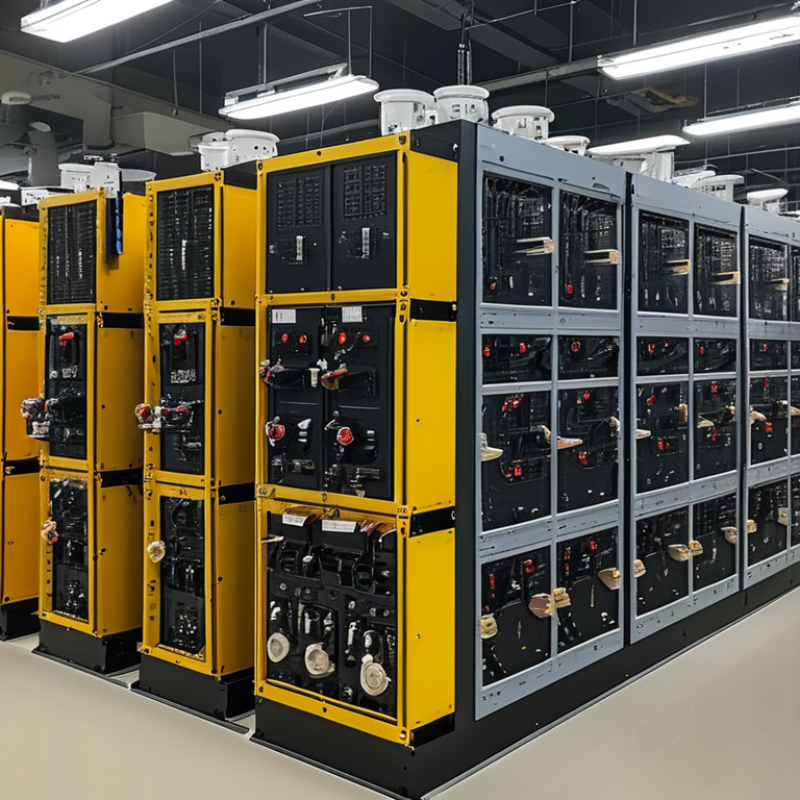
Busduct busbars are essential components in electrical distribution systems. They offer a reliable way to transmit energy. Understanding their applications helps in making informed choices for installations. Busducts are often used in large facilities. Factories, data centers, and commercial buildings benefit considerably from their ability to handle significant power loads.
The configuration of busducts affects performance. They come in various materials and designs. Aluminium or copper options are available, each with distinct features. The choice depends on factors like current capacity and environmental conditions. In tight spaces, narrow busducts provide more flexibility. Yet, they may require more careful installation.
Considerations like heat dissipation and fault tolerance are crucial. Overloading a busbar can lead to failures. Regular inspection and maintenance enhance reliability. Engineers must remain vigilant about safety guidelines. Ignoring potential issues can result in severe consequences. Proper education about busducts empowers users to minimize risks and optimize efficiency. Understanding these dynamics fosters better decision-making in selecting the right busbar solutions.
How to Choose the Right Busduct Busbar for Your Needs?
| Type |
Current Rating (A) |
Material |
Application |
Length (m) |
Width (mm) |
Height (mm) |
Installation Type |
| Standard Busduct |
800 |
Aluminum |
Industrial Applications |
3 |
100 |
70 |
Surface Mounted |
| Compact Busduct |
600 |
Copper |
Commercial Buildings |
2.5 |
75 |
60 |
Ceiling Mounted |
| Heavy Duty Busduct |
1200 |
Copper |
High Power Applications |
4 |
150 |
100 |
Ground Mounted |
| Flexible Busduct |
400 |
Aluminum |
Manufacturing |
2 |
90 |
50 |
Wall Mounted |
Key Factors to Consider When Selecting a Busduct Busbar
Choosing the right busduct busbar requires careful consideration of several key factors. First, understanding current ratings is essential. According to industry reports, improper current ratings lead to 15% of equipment failures. Therefore, selecting the correct rating prevents overheating and ensures longevity.
Another critical aspect is the environmental conditions. Busbars are often exposed to dust, humidity, or chemicals. The IEEE 142 standard highlights that 25% of busduct failures stem from environmental factors. Coatings and enclosures must be selected based on specific geographical conditions. For example, coastal areas may require corrosion-resistant materials.
Installation and maintenance are often overlooked. Proper installation reduces risks of electrical failures. The International Electrotechnical Commission suggests regular inspections to ensure optimal performance. Yet, many facilities neglect this step. It's crucial to align maintenance schedules with operational demands. Balancing these considerations can be challenging, but addressing them improves reliability significantly.
Comparing Different Types of Busduct Busbars
When selecting a busduct busbar, it's crucial to understand the different types available. A common type is the insulated busbar, which provides protection against electrical faults. It's versatile and can be used in various applications. The metal-enclosed busbar, on the other hand, offers additional durability. It involves a robust design, making it ideal for high-demand industrial environments.
Next, consider the prefabricated busbar systems. They are easy to install and often pre-tested for reliability. This option reduces installation and maintenance time. However, customized busbars, while more expensive, offer tailored solutions specific to operational needs. These can accommodate unique spatial constraints or load requirements. Evaluate the specific environment in which the busbar will function and its compatibility with existing power systems.
One must also reflect on the long-term performance of the busbar. Consider factors like heat dissipation and corrosion resistance. A poorly chosen type can lead to increased operational costs. It may cause frequent maintenance or replacements. Understanding the particular applications and potential challenges can guide you toward making a more informed decision.
Assessing Load Requirements for Your Busduct Busbar
Choosing the right busduct busbar begins with a clear assessment of load requirements. Understanding your electrical load is critical. The total load dictates the specifications of the busbar. A 2019 report by the International Energy Agency highlighted that improper sizing can lead to inefficiencies, creating risks of overheating and energy loss.
Calculating the load involves considering both peak demand and continuous operations. The National Electric Manufacturers Association advises that you should assess both the average load and potential overload scenarios. For example, if your facility handles 1,000 amps on average, factor in a 20% increase for safety. This means your busbar must comfortably support at least 1,200 amps.
Environmental factors also play a role. Temperature variations can impact conductivity and performance. In regions with high ambient temperatures, derating may be necessary. According to IEEE standards, derating rules can help ensure longevity and reliability. Neglecting these factors can lead to significant operational issues and increased costs over time. Regular assessments can help adapt to changes in load and ensure that your busduct system remains efficient.
Installation and Maintenance Considerations for Busduct Systems
When considering the installation of busduct systems, certain factors demand careful attention. The proper environment for the installation is essential. Ensure the space is conducive to electrical systems. This includes considering temperature, humidity, and proximity to dust or other contaminants. A cleaner environment minimizes maintenance risks.
Proper support and alignment during installation can also lead to long-term reliability. Misalignment might cause stress on connections, leading to failures. Plenty of room for connectors is vital, too. It ensures air circulation and reduces overheating. This sounds simple, but many overlook it.
**Tips**: Regular visual inspections are crucial. Check for signs of wear or damage. This can catch issues early, preventing costly downtime. Document all maintenance activities. Clear records can help identify trends or potential failures in the system.
Ultimately, an understanding of maintenance needs is equally important. Implement a schedule for cleaning and inspecting connections. These activities prolong the lifespan of busduct systems. Addressing minor issues proactively is often overlooked but immensely beneficial.