How to Choose the Best Busway Trunking System for Your Needs?
Choosing the right Busway Trunking System can significantly impact energy efficiency and operational costs. According to a recent report by the Global Electrical Manufacturers Association, busway systems can improve electrical distribution efficiency by up to 20%. Industry expert Martin Halloway emphasizes, "Selecting the right trunking system is crucial for ensuring optimal performance and reliability."
With a multitude of options available, it can be overwhelming. Factors such as load capacity, environmental conditions, and installation space must be considered. Each of these elements plays a vital role in the overall effectiveness of a busway system. Using the wrong system could lead to frequent maintenance and increased downtime.
While many systems offer advanced features, users must balance cost and performance. Not every solution fits every facility. It's essential to evaluate your specific needs and foresee potential challenges. A poorly chosen Busway Trunking System may offer short-term savings but lead to long-term inefficiencies. Engage deeply with the decision-making process for the best results.
Understanding Busway Trunking Systems: A Comprehensive Overview
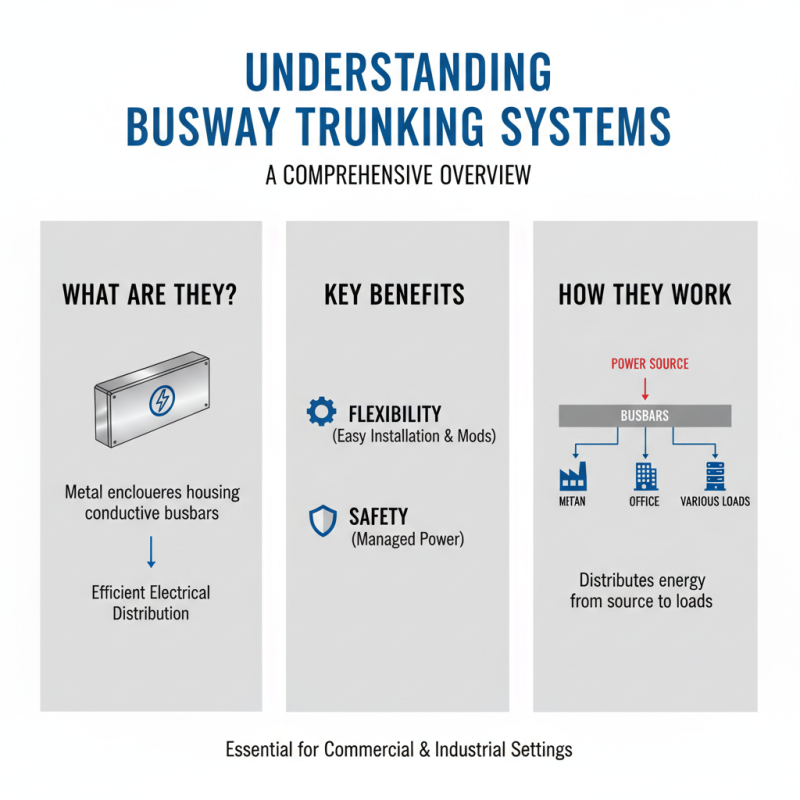
Busway trunking systems are essential for efficient electrical distribution in commercial and industrial settings. They offer flexibility and safety in managing electrical power. Understanding their structure and function is vital. Typically, these systems consist of metal enclosures containing busbars. These conductive bars distribute energy from a source to various loads. Their design allows for easy installation and modifications, accommodating changing electrical needs.
Choosing the right system involves considering several factors. The load requirement is crucial. Assess the total current capacity needed. It's important to evaluate available space, as a compact system may be necessary. Additionally, consider environmental factors. Some systems perform better in harsh conditions. Reliability is key; thus, choosing a reputable manufacturer can enhance your overall system's integrity.
Challenges can arise with busway systems. Installation may seem straightforward, but issues can emerge. Inspecting connections and ensuring proper grounding can prevent future problems. However, achieving an optimized setup may take trial and error. Understanding your facility's specific needs will guide you in selecting the right busway trunking system. Reflect on your experiences; this can lead to improved decisions down the line.
Key Factors to Consider When Choosing Busway Trunking Systems
When selecting a busway trunking system, several key factors warrant careful consideration. The load capacity is crucial; systems should be evaluated based on the maximum current they can handle. According to a report by the Electrical and Electronics Engineers (IEEE), load requirements can vary significantly, often exceeding 4000A in industrial applications. Choosing a system that aligns with your power demands can prevent costly downtimes.
Material selection also plays a pivotal role. Copper and aluminum are common choices, each with distinct electrical properties. Copper offers lower resistivity, translating to efficiency. Yet, aluminum is lighter and more cost-effective, making it increasingly popular. Industry data indicates that nearly 60% of new installations prefer aluminum for its balance of performance and affordability. Ensure to evaluate the environmental conditions, as moisture and corrosion can impact material longevity.
Ease of installation and maintenance cannot be overlooked. A trunking system should facilitate straightforward installation, minimizing labor costs. Regular maintenance is essential for longevity. However, many systems can be complex, leading to potential errors. Careful planning and training are vital in addressing this challenge. These considerations ensure that the chosen busway trunking system aligns with operational needs while enhancing reliability.
Evaluating System Capacity and Electrical Specifications
When selecting a busway trunking system, the evaluation of system capacity and electrical specifications is vital. Understanding how much load the system can handle is the first step. Factors such as current rating, voltage drop, and potential future expansions should guide your choice. Systems with inadequate capacity can lead to overheating and system failures. Therefore, careful load analysis is essential to avoid excessive strain on the system.
Consider the busway size and its electrical conductor materials. Copper and aluminum are common choices, each offering specific benefits. Copper is highly conductive but more expensive. Aluminum is lighter and more cost-effective, yet may have a higher resistance. Review your facility's requirements to determine the best fit.
**Tips:** Always consult with a professional for accurate load calculations. Evaluate the physical space for fitting the trunking system. Ignoring layout considerations can lead to costly modifications later. Lastly, don’t hesitate to ask for detailed data sheets. Clear information can prevent future troubleshooting headaches.
How to Choose the Best Busway Trunking System for Your Needs?
| Dimension |
Standard Capacity (A) |
Voltage Rating (V) |
Material |
Weight (kg/m) |
| 100 mm x 100 mm |
250 |
400 |
Aluminum |
1.5 |
| 150 mm x 150 mm |
400 |
400 |
Steel |
2.5 |
| 200 mm x 200 mm |
600 |
400 |
Stainless Steel |
3.5 |
| 300 mm x 300 mm |
800 |
800 |
Composite |
5.0 |
| 400 mm x 400 mm |
1000 |
800 |
Aluminum |
6.5 |
Assessing Installation and Maintenance Requirements
When selecting a busway trunking system, assessing installation and maintenance requirements is crucial. A well-designed system ensures operational efficiency and minimizes downtime. According to the National Electrical Manufacturers Association (NEMA), systems that prioritize ease of installation can reduce labor costs by up to 30%. Ensuring compatibility with existing infrastructure is vital. Systems that fit seamlessly into existing layouts decrease installation time and complexity.
Maintenance considerations are equally important. The International Electrotechnical Commission (IEC) reports that regular inspections can extend system lifespans. Frequent assessments help in identifying wear and tear before they become serious issues. Systems requiring minimal maintenance typically feature modular designs, allowing for easy component replacement. Regular maintenance schedules should be established to prevent potential failures. Transparency in maintenance practices can enhance reliability, ensuring safety and compliance.
Choosing a system involves evaluating these practical needs alongside performance. Always consider the long-term impact of maintenance demands on operational budgets. Balancing installation challenges with ongoing maintenance needs can improve overall system efficacy. Prioritizing durability and ease of maintenance creates a robust solution for diverse environments.
Comparing Cost Factors and Long-term Value of Busway Systems
When selecting a busway trunking system, cost factors play a crucial role. Reports from the International Electrotechnical Commission suggest that initial costs only tell part of the story. Installation time may also impact overall expenses. Systems that are easier to install can reduce labor costs significantly. According to a study by the National Electrical Manufacturers Association, labor can account for up to 30% of the total project cost.
Long-term value must also be weighed. A well-designed system can provide energy efficiency benefits over its lifespan. Data shows that energy-efficient busway systems can reduce operational costs by up to 20%. This is not just a theoretical benefit; many facilities report actual savings that justify the higher upfront investment. Additionally, maintenance requirements vary widely. Some systems may demand more frequent upkeep, affecting total cost over time. Evaluating these factors can reveal hidden long-term costs that impact financial decisions.
Choosing the right system involves assessing both initial costs and potential savings. Understanding the complexities of installation and maintenance is essential. Taking a comprehensive approach may show that a higher initial price can lead to better overall value.
Cost Factors and Long-term Value of Busway Systems