2026 How to Choose the Right Lighting Busbar for Your Electrical Needs?
Choosing the right Lighting Busbar for your electrical needs is crucial. The correct selection impacts system efficiency and safety. Proper lighting requirements demand a deep understanding of busbar specifications.
Several factors influence your decision. You must consider the load capacity and the environment in which the busbar operates. Does it handle high temperatures? Is it exposed to moisture? One must also evaluate the ease of installation and maintenance. Finding a reputable manufacturer enhances reliability.
Many users face challenges when selecting a Lighting Busbar. They may overlook compatibility with existing systems. Some may prioritize cost over quality, leading to future issues. Conduct thorough research to ensure you make an informed decision. Your choice can influence everything from energy efficiency to long-term safety.
Understanding the Purpose and Function of Lighting Busbars
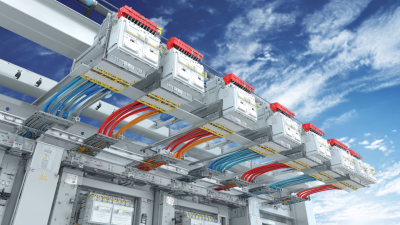
Understanding the purpose and function of lighting busbars is crucial in electrical design. Lighting busbars are conductive systems that supply power to lighting fixtures. They efficiently distribute electrical current across large areas. Recent industry reports indicate that a well-designed busbar system can improve energy efficiency by up to 30%. This reduction translates to significant savings over time.
Busbars come in various materials, such as aluminum and copper. Each material has unique properties that affect performance. Aluminum is lighter and often more cost-effective, while copper offers better conductivity. The choice of material can impact installation complexity and long-term reliability. One concern is that improper installation can lead to overheating or electrical failures. Monitoring these systems is vital. Regular inspections can prevent costly downtimes.
Understanding your electrical needs shapes the selection of the correct busbar. Factors include load capacity, installation environment, and future scalability. Studies show that businesses often underestimate their future load. This oversight can lead to under-specifying busbars. It’s essential to plan for potential expansion to ensure adequate power supply. Choosing the right lighting busbar involves balancing efficiency with reliability and flexibility. Each project demands thoughtful consideration of these elements.
Identifying Your Electrical Load Requirements for Busbar Selection
Choosing the right lighting busbar starts with understanding your electrical load requirements. Accurate load assessment is essential for efficient system design. According to a recent industry report, up to 30% of electrical system failures stem from improper load calculations. Ensuring that your busbar can handle specific load demands is crucial for operational efficiency.
Begin by evaluating the total wattage of your lighting system. For instance, an office space with 100 fixtures of 40 watts each would require a busbar that supports at least 4,000 watts. This assessment should encompass peak usage hours and consider possible future expansions. If your load requirements fluctuate significantly, opt for a busbar with a higher amperage rating. A mismatch between load and busbar can lead to overheating and efficiency losses.
Consider factors such as the installation environment as well. Dusty or humid locations might require specialized materials. Additionally, your load balance between phases must be checked. Poorly balanced loads can lead to voltage drops. Regular reevaluation of load requirements is advisable, as changes in technology or occupancy can impact performance. Adapting to these changes is vital for long-term reliability and safety.
Evaluating Different Types of Lighting Busbars Available on the Market
When evaluating the different types of lighting busbars, it’s crucial to consider both application and performance metrics. There are various designs available, such as copper and aluminum busbars, with copper offering higher conductivity. According to industry reports, copper can improve efficiency by up to 30% compared to aluminum. However, copper’s higher cost can be a limiting factor for some projects.
Another type to consider is the insulated busbar. This design reduces the risk of electrical faults. Many experts in the field note that insulated busbars can enhance safety in high-voltage environments. The insulation also helps to manage heat, as excessive temperatures can impair performance. Some reports indicate that proper insulation can boost system reliability by up to 25%.
Compatibility with existing systems is essential. Not every busbar is suitable for every application. Factors like load capacity and environmental conditions must be thoroughly assessed. It’s worth noting that some projects overlook the importance of adequate load calculation. This oversight can lead to significant underperformance, causing delays and increased costs. Choosing the right lighting busbar is a nuanced process that requires careful evaluation.
Lighting Busbar Types and Their Applications
Considering the Material and Design for Durability and Efficiency
When selecting a lighting busbar, the material plays a crucial role. High-quality metals like copper or aluminum offer good conductivity. Copper is often preferred for its efficiency, but it can be costly. Aluminum is lighter and more affordable, making it a viable option. However, consider the environment where the busbar will be used. Corrosive atmospheres can impact aluminum’s durability.
The design of the busbar also matters. A compact design can save space, but it may not accommodate high power demands. Pay attention to cooling features. Adequate heat dissipation is vital for longevity. Explore different shapes and configurations that suit your setup. Not all installations are straightforward, and a one-size-fits-all approach doesn’t work.
Reflect on your specific electrical needs. Choosing the right busbar is not just about resistance and cost. It requires understanding your system’s requirements. Look for options that allow for easy modifications in the future. Balancing durability and efficiency can be challenging. Don't overlook the importance of maintenance access as well.
Safety Standards and Compliance When Choosing Lighting Busbars
When selecting lighting busbars, safety standards and compliance are crucial. Proper adherence to regulations ensures safety and efficiency in any electrical installation. Each region may have specific codes that govern electrical systems. Understanding these standards helps prevent accidents and damage.
Look for certifications that verify a product’s compliance with global safety guidelines. Various organizations provide these certifications. They indicate the product has been tested rigorously. Busbars must withstand specific voltage and current loads, depending on their application. Ensure the busbar is suitable for your project's unique needs and environment.
A minor oversight can lead to significant issues. For example, using a busbar with inadequate insulation can cause short circuits. This reflects the importance of choosing components wisely. Review installation manuals and guidelines carefully. Sometimes, even experienced professionals may overlook details. Each project deserves individual attention to ensure compliance.