Why Choose Busbar Busduct for Your Electrical Systems?
In modern electrical systems, the efficiency and effectiveness of power distribution are crucial. Busbar Busduct has emerged as a leading choice for many industries. Its compact design and flexibility make it suitable for various applications. Users appreciate its ease of installation and maintenance.
Busbar Busduct also provides a high level of safety. It minimizes the risks associated with traditional wiring. However, some users may overlook its installation requirements. Proper planning and execution are essential to achieve optimal performance. The initial cost can also raise eyebrows, but the long-term benefits often justify this investment.
Moreover, Busbar Busduct systems are adaptable. They can be customized to meet specific needs, yet some may find this complexity overwhelming. Balancing customization and simplicity is a challenge. Despite that, many electrical engineers continue to advocate for Busbar Busduct. Its advantages often outweigh the initial learning curve. The future of power distribution may very well depend on this innovative solution.
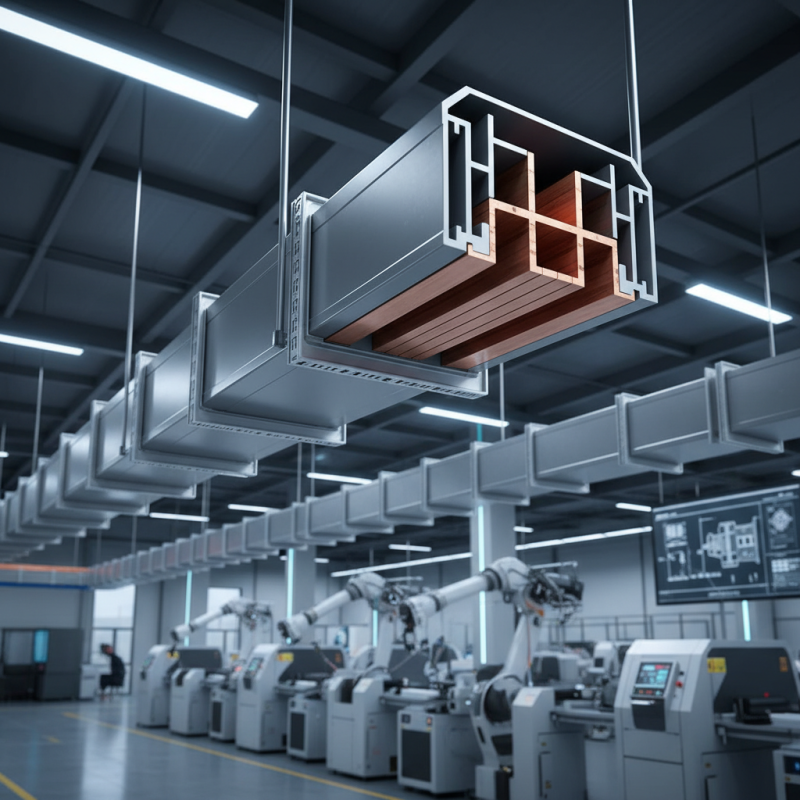
Overview of Busbar Busduct: Definition and Functionality
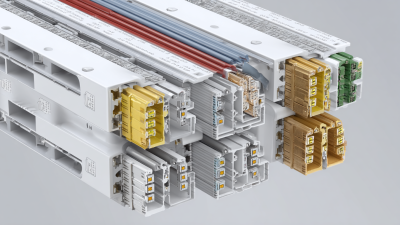
Busbar busduct systems are essential in electrical distribution. They are rigid electrical conductors that are enclosed in a protective casing. This design minimizes electrical resistance and improves safety. According to industry reports, busbar systems can carry higher currents, sometimes up to 6,000 amperes, which is critical for large-scale applications.
One significant advantage of bus duct systems is their compact nature. They take up less space compared to traditional wiring methods. This efficiency can lead to reduced installation costs. In fact, recent studies indicate that switching to busbar systems can reduce installation time by up to 30%. However, not every installation may fully benefit from this. Some environments might require traditional wiring due to existing infrastructure or specific regulatory requirements.
Busbars also enhance reliability. They are less prone to overheating compared to cables. Despite this, regular maintenance checks are crucial. Faulty connections can lead to system failures. Data shows that unplanned outages can cost companies significant time and money. This highlights the need for proactive measures when using busbar busduct systems.
Advantages of Using Busbar Busduct in Electrical Systems
Busbar busduct systems are gaining popularity in electrical setups. They offer numerous advantages for efficient power distribution. One key benefit is their compact design. They take up less space, allowing for more flexibility in installations. This is essential in crowded environments where every inch counts.
Busbars also improve safety. They reduce the need for extensive wiring. This minimizes the risk of electrical hazards. Less wiring means fewer chances for errors during installation. However, care must be taken during setup. Proper planning is necessary to ensure they meet safety standards.
Tips: Always conduct a thorough audit of your electrical needs. Understand the current load and future requirements. This helps in selecting the right busduct size. Regular maintenance checks are crucial too. A small oversight can lead to big problems later on. Think about these aspects carefully before choosing a system.
Advantages of Using Busbar Busduct in Electrical Systems
This chart illustrates the key advantages of using busbar busduct systems in electrical systems. Each advantage is scored based on its significance, showcasing their effectiveness in improving installation time, space efficiency, scalability, safety, and cost-effectiveness.
Comparison of Busbar Busduct with Traditional Wiring Methods
When evaluating busbar busduct versus traditional wiring methods, several factors emerge. Busbar systems are often more compact. They can occupy less space than bulky wiring systems. According to a recent report, approximately 30% of installation space is saved with bus ducts. This is crucial in environments where space is limited.
Another benefit of using busbar systems is the reduction in power loss. Traditional wire conductors can result in losses between 3% and 5%. In contrast, busbars typically maintain efficiency better, sometimes losing less than 2%. This efficiency translates to lower operational costs in the long run. Maintaining optimal energy use can significantly impact overall performance.
However, there are challenges to consider. The initial cost to install busbar systems can be higher. Companies might hesitate due to upfront expenses. Long-term benefits may outweigh these costs, yet they require solid initial analysis. Additionally, some professionals may lack familiarity with busbars, posing a hurdle in their deployment. Proper training is essential to ensure seamless integration into existing infrastructures.
Key Applications and Industries Utilizing Busbar Busduct
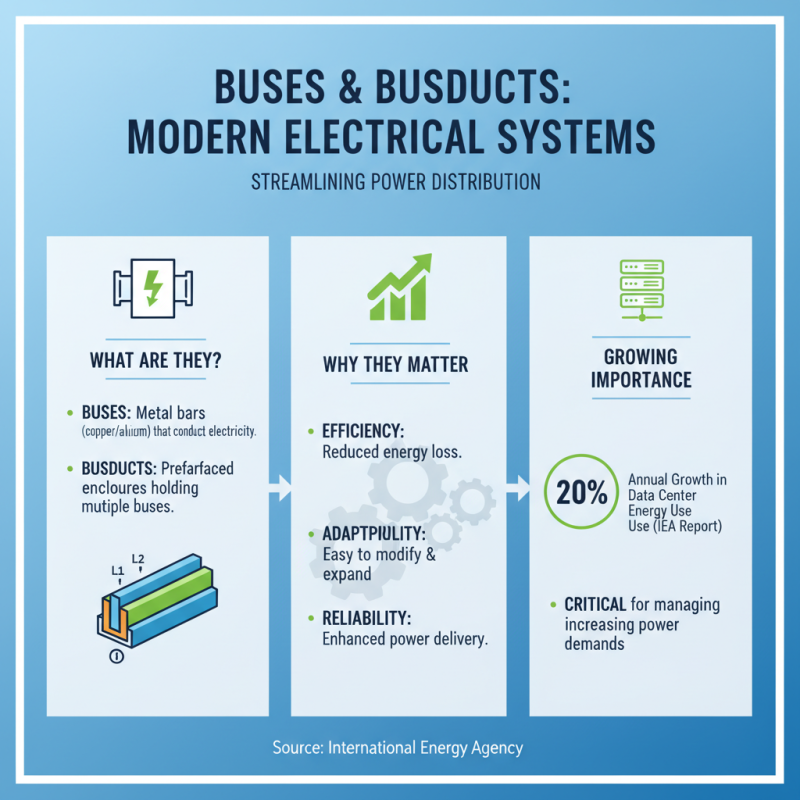
Busbars and busducts are critical in modern electrical systems. They help streamline electrical distribution in various industries. These systems are gaining traction due to their efficiency and adaptability. For instance, according to a report by the International Energy Agency, energy consumption in data centers worldwide has grown by approximately 20% annually. This growth necessitates robust electrical solutions to manage power distribution effectively.
Industries such as manufacturing, transportation, and commercial buildings have increasingly adopted busbar busducts. In the manufacturing sector, they offer space-saving benefits. A typical factory may reduce wiring layout complexity by 30% with busduct systems. Transportation hubs also benefit greatly. Airports and train stations utilize busbars for improved safety and reliability. However, the initial costs can be a barrier for smaller enterprises. They may wonder about the return on investment over time.
Additionally, the flexibility of busbar systems supports the need for future expansions. Many facilities report needing to adapt their electrical infrastructure frequently. The market is projected to reach a value of $10 billion by 2027, reflecting this growing need. Nevertheless, addressing installation challenges remains a topic of discussion among engineers. Such complexities can slow down project timelines or result in costly changes during the construction phase. As industries continue to evolve, the demand for innovative solutions like busbars will only increase.
Installation and Maintenance Considerations for Busbar Busduct
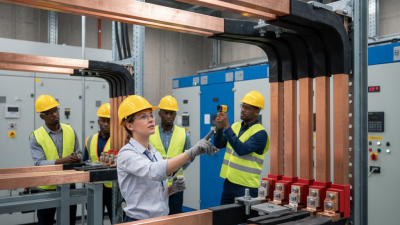
When considering busbar busduct for your electrical systems, installation and maintenance are critical. A well-planned installation ensures optimal performance and longevity. It is essential to follow proper procedures during the setup. Ensure that all connections are secure. Align the busduct correctly to avoid future issues.
Tips: Use a level to check alignment. This can prevent misalignment issues down the road.
Maintenance is equally important. Regular inspections help identify potential problems early. Check for signs of wear and tear, such as overheating or corrosion. Maintaining cleanliness around the busduct promotes better airflow. This step can also enhance efficiency.
Tips: Schedule quarterly maintenance checks. Create a checklist to ensure nothing is missed.
Design and layout considerations also play a role. Adequate spacing between connections should be maintained for better heat dissipation. Too tight a fit can lead to heating issues. Reflect on the long-term impact of your layout choices. Regular feedback from system performance can guide adjustments.
Why Choose Busbar Busduct for Your Electrical Systems? - Installation and Maintenance Considerations for Busbar Busduct
| Feature |
Description |
Installation Consideration |
Maintenance Consideration |
| Space Efficiency |
Busbar systems require less space compared to traditional wiring. |
Ensure adequate space for installation to allow for thermal expansion. |
Regularly check for signs of overheating or corrosion. |
| Flexibility |
Can be easily reconfigured as electrical needs change. |
Plan for potential future modifications during installation. |
Inspect connections regularly to ensure tightness and reliability. |
| Safety |
Busbars are designed to minimize risk of electrical hazards. |
Follow all safety standards and codes during installation. |
Conduct safety audits to ensure compliance with standards. |
| Cost-Effectiveness |
Lower long-term costs due to reduced labor and material expenses. |
Evaluate the total cost of ownership when planning installation. |
Implement a proactive maintenance schedule to reduce unplanned costs. |