Why Choose Bus Duct Electrical Systems for Your Business Needs?
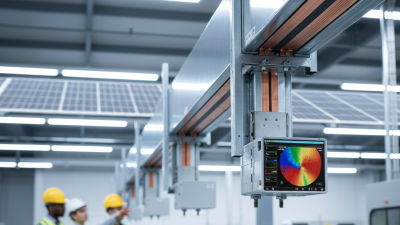
In the modern industrial landscape, choosing the right electrical system is crucial for efficiency and safety. Bus Duct Electrical systems have become a popular choice among businesses. These systems offer several distinct advantages over traditional wiring methods. They enable optimized space utilization, which is vital in cramped facilities.
The design of Bus Duct Electrical systems allows for easy expansion and adaptability. This feature can save time and reduce costs during upgrades. However, businesses should also evaluate the installation complexity. While they provide excellent performance, the initial setup may require specialized knowledge. It’s crucial to partner with experienced professionals to ensure proper installation.
Many companies have thrived after transitioning to Bus Duct Electrical systems. However, some have faced issues due to lack of understanding about maintenance requirements. Overlooking these details can lead to performance drops. Balancing the benefits with a cautious approach allows for informed decisions. This can make a significant difference in operational efficiency and safety.

Understanding Bus Duct Electrical Systems and Their Benefits
Bus duct electrical systems are becoming increasingly popular in various industries. These systems provide a reliable and efficient method of power distribution. They are particularly valuable in high-demand environments such as manufacturing plants or data centers. Research from the National Electrical Manufacturers Association indicates that bus duct systems can reduce installation costs by as much as 30% compared to traditional wiring methods. This makes them a cost-effective solution for businesses aiming to optimize their operations.
One of the key advantages of bus duct systems is their space-saving design. Unlike conventional conduit systems, bus ducts can be routed close to the ceiling or along walls. This allows for more flexible layouts and maximizes usable floor space. A study by the Institute of Electrical and Electronics Engineers highlights that effective space utilization can lead to increased productivity. Moreover, bus ducts facilitate easier maintenance and upgrades without significant downtime.
Efficiency is another cornerstone of bus duct systems. They minimize energy loss through their lower resistance pathways. Data from the U.S. Department of Energy shows that efficient power distribution can lead to energy savings of 10% to 15% annually. However, installation quality and periodic inspection are critical. Poorly installed bus ducts can lead to overheating and potential system failures. Therefore, businesses should focus on professional assessments and adhere to safety standards.
Key Advantages of Using Bus Ducts in Commercial Applications
Bus duct systems offer numerous advantages for commercial applications. These systems can significantly improve energy efficiency. According to a report from the International Energy Agency, effective electrical distribution can reduce energy losses by up to 10%. This energy-saving potential is essential for businesses looking to lower operational costs.
Moreover, bus ducts support flexible layouts. They can be easily reconfigured as business needs change. This adaptability is crucial in dynamic environments like factories and data centers. A study by the American National Standards Institute highlights that businesses can save substantial time and costs by utilizing modular bus duct systems, as these can be installed quickly and with minimal disruption.
However, businesses must assess their specific needs before transitioning to bus duct systems. Not every setup will benefit equally from them. In some cases, traditional wiring may be more effective, particularly in smaller spaces. Therefore, careful consideration of layout, load requirements, and future growth is vital for making informed decisions.
Advantages of Bus Duct Electrical Systems
Comparing Bus Duct Systems with Traditional Electrical Solutions
Bus duct systems present compelling advantages over traditional electrical solutions. Unlike conventional wiring, which often requires extensive, rigid installation, bus ducts offer modular designs. This flexibility can reduce installation time by up to 50%, according to industry reports. Moreover, the compact nature of bus ducts often leads to significant space savings within facilities.
Efficiency is another area where bus ducts shine. A recent study showed that bus duct systems can improve power distribution efficiency by 25% compared to traditional systems. This efficiency translates to lower energy costs over time, making bus ducts a cost-effective choice. They also tend to have lower heat generation, which can enhance overall safety and extend equipment lifespan.
However, challenges exist. Initial costs can be higher for bus duct systems, though long-term savings often offset this. Companies must also ensure proper installation to achieve optimal performance. Maintenance practices differ from traditional systems, requiring staff training. Understanding these nuances is critical for maximizing the benefits of bus duct electrical systems. Making a thoughtful choice about electrical solutions can yield significant returns for your business.
Factors to Consider When Choosing Bus Duct Electrical Systems
When selecting bus duct electrical systems, various factors require careful consideration. One key aspect is the system's capacity to handle current loads. A recent industry report indicates that bus ducts can manage up to 5,000 amps, making them suitable for high-demand environments. The correct sizing is crucial. Oversized systems can lead to energy losses, while undersized systems can cause overheating and potential failures.
Another factor is installation flexibility. Bus ducts offer modular designs, allowing for easy expansion or modification. This adaptability is vital for businesses anticipating growth. However, improper installation can lead to significant safety concerns. Regular inspections are essential to ensure ongoing reliability. Data from safety audits show that up to 30% of electrical failures result from installation errors.
Lastly, environmental resilience is a priority. Bus ducts often come with protective coatings that enhance durability. This is particularly important in industries exposed to corrosive elements. Yet, not all coatings are equal; some may degrade faster than expected. Thus, sourcing reliable information about the materials used in bus duct construction can lead to informed decisions. Balancing these factors ensures a safer and more efficient electrical infrastructure.
Implementation and Maintenance of Bus Duct Systems in Businesses
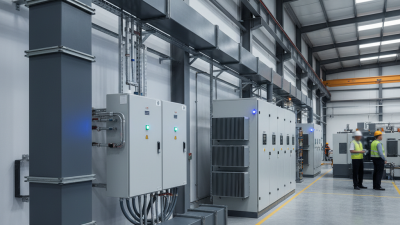
Bus duct systems offer a reliable way to distribute power in various business settings. Their implementation requires careful planning and consideration of the facility's layout. Proper installation greatly impacts performance. Skilled technicians should conduct the installation to ensure safety and efficiency. This not only minimizes risks but also ensures that systems operate as intended.
Maintenance is equally crucial for these systems. Regular inspections help identify potential issues before they become significant problems. A maintenance plan should include routine checks of connections and insulation integrity. Businesses often overlook this aspect, leading to unexpected shutdowns or equipment failures. Effective maintenance requires both time and expertise, which many companies struggle to allocate.
Training staff on basic operational protocols can help. However, relying solely on in-house knowledge may not always suffice. Seeking expert advice can improve reliability and performance. Understanding the unique needs of your electrical system allows for a more tailored approach, helping businesses maximize their bus duct system's potential.