China Top Busway Trunking System for Efficient Power Distribution?
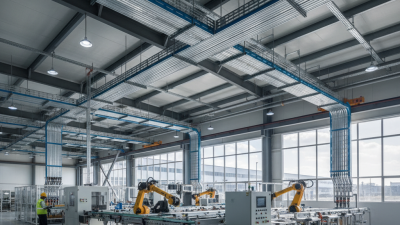
The Busway Trunking System stands as a pivotal innovation in power distribution, particularly within the bustling infrastructure of China. This system offers a streamlined approach, enhancing efficiency and safety in electrical installations. With the rapid growth of urban areas, the demand for reliable power distribution solutions has never been greater.
Many industries rely heavily on electrical systems to operate machinery and equipment. Therefore, a Busway Trunking System can effectively meet these needs by minimizing energy loss and maximizing performance. However, while it promises efficiency, there are challenges worth noting. The installation process can be complex and requires skilled professionals. There is a delicate balance between cost and quality that must be achieved.
How does one ensure that these systems remain compliant with industry standards and safety regulations? The introduction of advanced materials and designs enhances reliability, yet monitoring these systems is essential for ongoing safety. Reflection on existing practices highlights areas for improvement, ensuring that the Busway Trunking System can truly fulfill its potential in modern power distribution.

China's Busway Trunking System: An Overview of Design and Structure
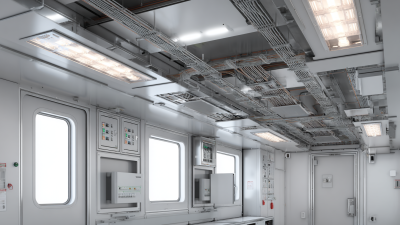
China's busway trunking system is pivotal for effective power distribution in modern infrastructure. Its design focuses on modular components that are easy to install and maintain. The trunking allows for flexible routing of electrical power in buildings. It can be customized to meet specific energy needs, reducing wastage. This adaptability is significant in densely populated urban areas.
The structure typically includes a robust outer shell, protecting the internal conductors. This enhances safety by minimizing fire risks and electrical faults. Engineers pay careful attention to thermal management, ensuring that the system can handle high load demands. However, there are challenges. For instance, installation errors may lead to inefficient power flow. Proper training for technicians is crucial to prevent such issues.
Moreover, while the trunking system improves power distribution efficiency, it is not entirely flawless. Maintenance is essential to avoid overload risks. Aging components may require replacements, leading to increased operational costs. Users should regularly monitor the system for optimal functionality. This ongoing commitment helps sustain reliability in power delivery across various applications.
Key Features of China's Busway Trunking System for Power Distribution
China's busway trunking system offers several key features that enhance power distribution efficiency. One prominent feature is its modular design. This allows for easy installation and maintenance. The trunking units are lightweight and compact, making them suitable for various environments. Space is often a constraint in urban areas, and these systems address that challenge effectively.
Another significant aspect is the enhanced safety mechanisms integrated within the busway trunking. These systems often include thermal monitoring and overload protection. Such features help prevent electrical fires and other common hazards. However, as effective as these safety measures are, they require regular inspections. Neglecting maintenance can expose facilities to risks.
Additionally, the power distribution capability is noteworthy. Busway systems have a high current-carrying capacity. This makes them ideal for industrial applications where reliable power is critical. Still, there are situations where users may underestimate their energy demands. This could lead to inadequate power supply, highlighting the importance of thorough planning in the implementation stage.
Efficiency Metrics: Comparing Busway Systems to Traditional Wiring Methods
Busway systems are gaining traction in power distribution due to their efficiency. Unlike traditional wiring, which can be cumbersome, busways streamline electricity flow. They consist of a series of conductive bars enclosed in a protective casing. This design minimizes energy loss and reduces installation time. Busway installations often require fewer connections compared to conventional methods, leading to enhanced reliability.
Efficiency metrics reveal significant differences between these systems. Traditional wiring tends to involve longer runs of cable and numerous junctions. This complexity can result in increased resistance and heat generation. A busway, conversely, allows for more direct pathways for electricity. This can enhance overall system performance, keeping losses at a minimum. Over time, the savings in energy costs can outweigh the initial installation expenses of busways, making them a viable option.
However, it's essential to consider potential drawbacks. Installation may require specialized knowledge or experience, which could increase costs. Additionally, busways may not fit all environments, especially in older buildings. Understanding these limitations is key to making an informed choice. The decision should consider both immediate needs and long-term efficiency goals.
Efficiency Metrics: Comparing Busway Systems to Traditional Wiring Methods
Market Growth: China's Busway Trunking System Demand and Projections
The demand for busway trunking systems in China is surging. Industries are recognizing the need for efficient power distribution solutions. This system offers a dependable way to manage electrical systems in large facilities. With urbanization and industrial expansion, the market for these systems is growing rapidly.
Recent projections indicate significant growth in this sector. Analysts suggest that the increasing focus on energy efficiency drives the demand. Additionally, advancements in technology contribute to more reliable systems. While many players enter the market, not all meet quality standards. This inconsistency can pose challenges for businesses when selecting suppliers.
It’s essential to consider both cost and reliability. Some companies may opt for cheaper alternatives, risking long-term performance. Investing in quality ensures safe and efficient power management. As the market evolves, staying informed and making wise decisions becomes crucial for success. The future of China’s busway trunking system looks promising, but careful evaluation is necessary.
Technological Innovations in China's Busway Systems for Enhanced Performance
China's innovations in busway systems are noteworthy. The market for busway trunking systems is projected to grow significantly. According to a recent report by ResearchAndMarkets, the global busway market is expected to reach $8.2 billion by 2027, driven by increasing infrastructure development.
One key advancement in China's busway systems is the integration of smart technology. This inclusion allows for real-time monitoring and management. Systems can now adjust power distribution dynamically. Energy efficiency increases, which is critical given the country's push for sustainability. However, the initial costs of these systems can be high, raising concerns about return on investment for some industries.
Cooling technologies have also seen improvement. New designs enhance thermal management, preventing overheating. Yet, despite these technological strides, challenges remain. Not all systems can accommodate extreme weather conditions. Addressing these limitations is crucial to enhance reliability. A balance between innovation and practicality must be achieved for broader adoption.