The demand for efficient power distribution solutions has grown significantly in the past decade. Aluminum Dense Busway systems are emerging as a top choice in the industry. According to a report by MarketsandMarkets, the global busway market is projected to reach $12 billion by 2025, driven by the need for high-performance electrical distribution.
Industry expert Dr. Li Wei emphasizes the advantages of Aluminum Dense Busway, stating, "These systems offer superior conductivity and thermal management while ensuring minimal energy loss." This makes them ideal for modern infrastructures that prioritize efficiency and reliability. However, the transition to these advanced systems is not without its challenges. Some enterprises may find the initial investment daunting.
Additionally, the need for skilled personnel to install and maintain these systems presents another obstacle. As the market evolves, companies must balance efficiency gains with these considerations. The Aluminum Dense Busway represents both an opportunity and a challenge in optimizing power distribution networks. We must thoroughly evaluate both sides for informed decision-making.

Busway systems
play a crucial role in power distribution by efficiently managing electrical energy. These systems consist of rigid electrical conductors housed in a protective casing. Their design allows for greater flexibility compared to traditional wiring methods. This adaptability can lead to optimized layouts in commercial and industrial settings.
One significant advantage
is their ability to minimize energy losses. The compact design reduces resistance, ensuring that more power reaches the intended destination. However, installation can be challenging, particularly in older facilities. Integrating new busway systems into existing infrastructures requires careful planning and expertise.
Moreover, maintenance is critical.
Although busways are durable, regular inspections are essential to identify wear or potential failures. Neglecting this can lead to unexpected downtimes, causing operational disruptions. Establishing a routine maintenance protocol is a wise choice for businesses relying on these systems. Understanding the intricacies of busway systems can greatly enhance power distribution efficiency.
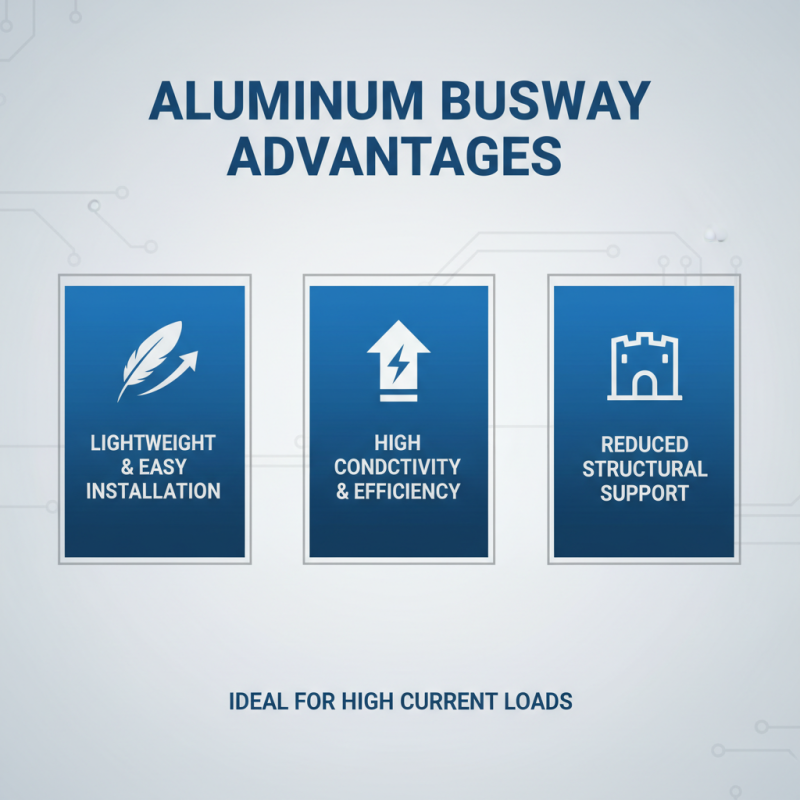
Aluminum has emerged as a preferred material in dense busway solutions for efficient power distribution. Its lightweight nature allows for easier installation and reduced structural support needs. Aluminum's excellent conductivity ensures minimal energy loss, enhancing system efficiency. This is critical in applications where current load demands are high.
In addition to these benefits, aluminum is highly resistant to corrosion. This durability is vital for systems exposed to harsh environments. Unlike copper, aluminum is often more economical, providing a cost-effective alternative for businesses. However, it's important to consider the potential challenges of aluminum’s connection reliability. Over time, aluminum connections can loosen, requiring regular maintenance.
The welding and joint techniques in aluminum systems must be executed with care to avoid performance issues. Some users may experience difficulties in adapting to aluminum's lower tensile strength compared to copper. Seeking expert guidance can mitigate these concerns. Overall, the advantages of aluminum in dense busway solutions are significant, but careful implementation and ongoing assessment are essential for optimizing performance.
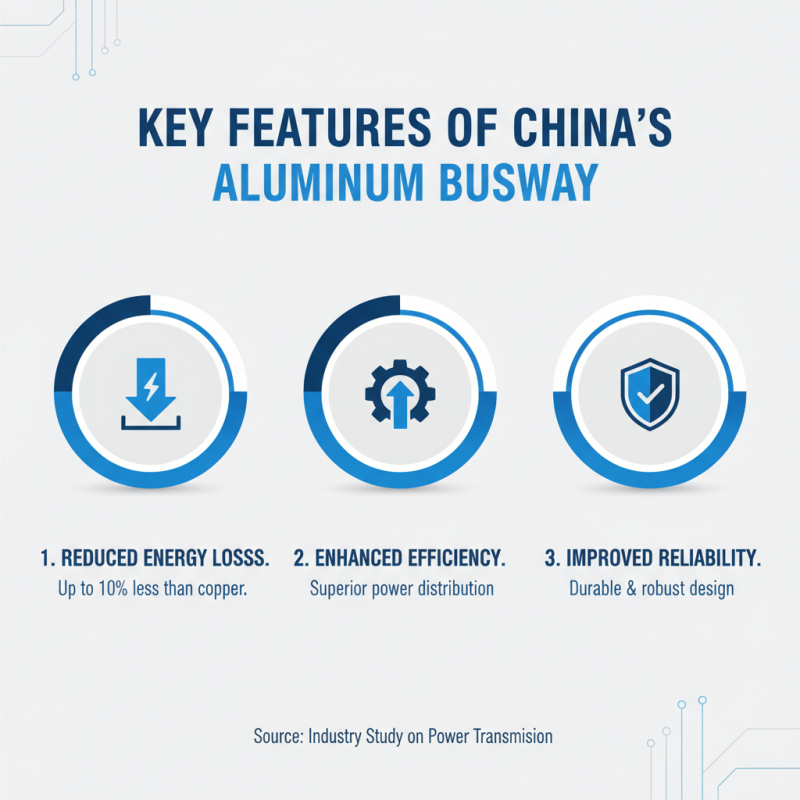
China's aluminum dense busway solutions are gaining attention for power distribution efficiency. These systems have key features that enhance performance and reliability. For instance, aluminum busways reduce energy losses significantly. A study noted that these systems can decrease transmission losses by up to 10%, compared to conventional copper alternatives.
One noteworthy aspect is their lightweight nature. Aluminum's lower density allows for easier installation and reduced structural support requirements. This adaptability is crucial for modern infrastructure, which demands flexibility in design. Additionally, aluminum's resistance to corrosion ensures longevity, even in harsh environments. Research suggests that such durability can extend service life by up to 50%.
However, it's important to consider that not every application benefits equally from aluminum busways. Initial costs can be higher than traditional systems. Some facilities may need to assess their unique energy demands and installation conditions. Balancing efficiency with cost is a vital part of decision-making in power distribution technology. Insights from industry reports indicate that thorough evaluations often lead to more informed choices.
Aluminum busway systems have gained popularity in various applications due to their efficiency and durability. These systems are widely used in commercial buildings, industrial plants, and data centers. They offer lightweight designs, easy installation, and low maintenance costs. Additionally, aluminum busways can support high electrical capacities. This makes them suitable for environments with heavy power demands.
Industries such as manufacturing and telecommunications rely on aluminum busway systems for their power distribution needs. In manufacturing, these systems help streamline operations. They reduce the risk of electrical failures by providing a reliable power source. In telecommunications, the ability to efficiently distribute power enhances system reliability. However, there are challenges. Ensuring compatibility with existing setups can require careful planning and expert knowledge.
Despite their advantages, aluminum busway systems may not be the perfect solution for every scenario. For instance, ambient temperature and humidity can impact performance. Conducting thorough assessments is essential for optimal usage. Evaluating the specific needs of each application ensures that the right solution is implemented. Ultimately, understanding the nuances of aluminum busway systems leads to better power distribution strategies.
Aluminum busway systems are becoming increasingly vital in power distribution networks. These systems offer lighter weight and efficient conductivity compared to traditional copper alternatives. In recent years, advancements in aluminum technology have enabled higher performance and safety standards. One trend is the development of modular designs. These designs allow for easy installation and scalability. As demand grows, flexibility becomes essential.
As we look to the future, smart technology integration is a significant focus. IoT sensors can monitor performance in real time. This data can optimize power usage and prevent failures. However, challenges remain. Integration can be complicated. Moreover, securing data against cyber threats is crucial. Manufacturers must prioritize both efficiency and security as they evolve.
Recycling and sustainability are also gaining traction in aluminum busway production. The industry aims to reduce waste and environmental impact. There is ongoing debate about material sourcing and carbon footprint. Some manufacturers are exploring eco-friendly processes. This area needs careful reflection and innovative solutions to fully realize sustainable benefits.
| Dimension / Metric | Value |
|---|---|
| Material Type | Aluminum Alloy 6061 |
| Current Rating | 1000 A |
| Temperature Rating | -40°C to 120°C |
| Busway Length | 2 meters |
| Dimensions | 200 mm x 100 mm |
| Voltage Rating | Up to 1000 V |
| Lifetime | Over 25 years |
| Applications | Industrial, Commercial, Data Centers |
| Certifications | ISO 9001, CE |