What is Cast Resin Bus Duct and Why is it Important?
In the high-demand world of electrical systems, the importance of "Cast Resin Bus Duct" cannot be overstated. Industry expert Dr. Jane Mitchell emphasizes, "Reliable power distribution is built on the strength of bus duct systems." This underscores how crucial these components are for safe and efficient energy transport.
Cast Resin Bus Ducts are designed to withstand harsh conditions while providing excellent insulation. They are often used in commercial and industrial settings. The choice of materials and design may seem straightforward, yet subtle flaws can lead to significant issues. A small oversight can create inefficiencies that compromise an entire system.
Pursuing innovation, experts continuously explore advancements in this field. Understanding the balance between durability and performance is essential. Despite the strides made, there is always room for improvement. As industries evolve, the need for refined approaches to Cast Resin Bus Duct solutions remains clear. Each development paves the way for greater reliability and efficiency in power distribution.
What is Cast Resin Bus Duct and its Definition in Electrical Systems
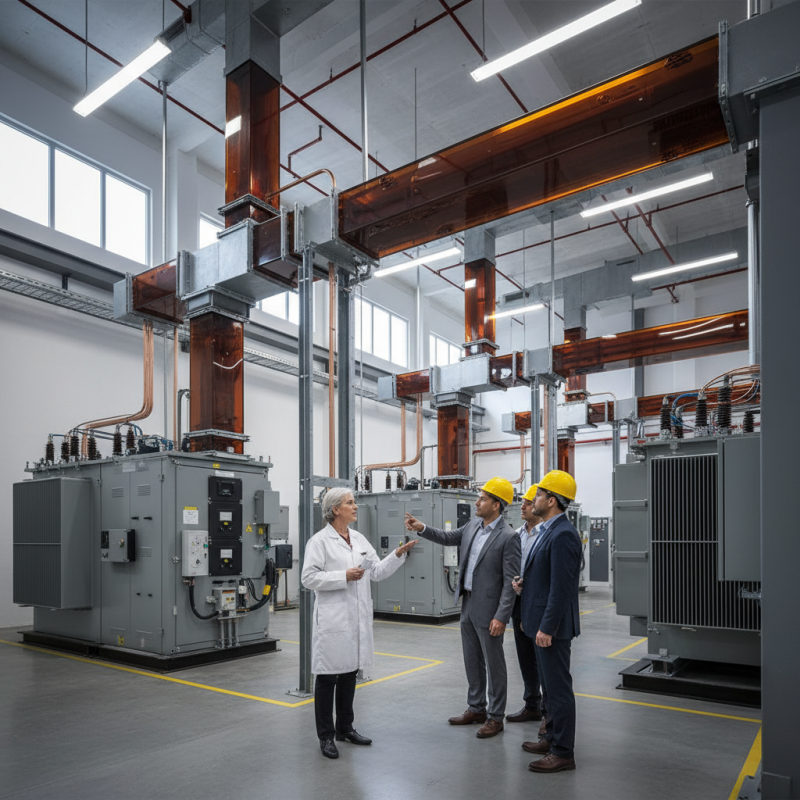
Cast resin bus duct is a crucial component in electrical systems. It facilitates efficient power distribution. This insulated duct protects against environmental factors such as moisture and dust. According to industry reports, the global market for bus ducts is expected to grow by 5.5% annually, reflecting increasing demand for reliable electrical infrastructure.
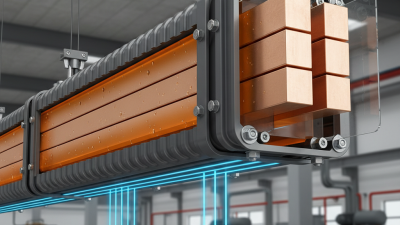
In terms of definition, cast resin bus duct consists of conductors embedded in a resin material. This structure provides remarkable durability and insulation properties. It can withstand extreme temperatures and harsh conditions. Recent studies indicate that these systems can achieve efficiency levels of up to 98%. However, installation and maintenance present challenges. Proper training is necessary to avoid costly mistakes.
One significant advantage is the fire resistance of cast resin bus ducts. They help enhance safety in commercial and industrial applications. Nevertheless, improper planning can lead to issues like overheating or insufficient load handling. As power demands increase, reevaluating capacities and installation techniques becomes essential.
Key Features and Advantages of Cast Resin Bus Duct Technology
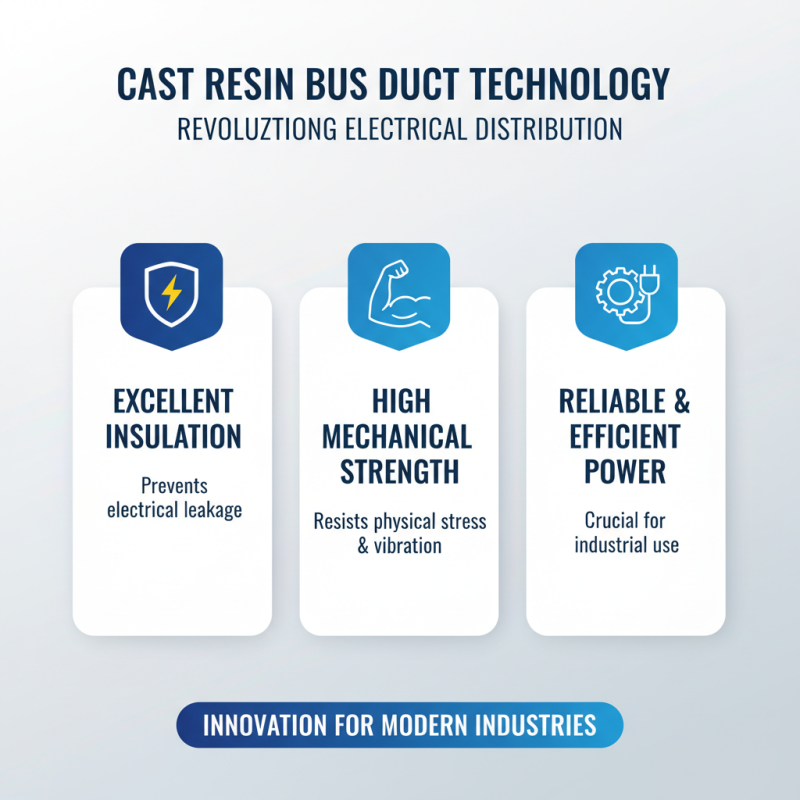
Cast resin bus duct technology is revolutionizing electrical distribution systems. This innovation combines excellent insulation properties with high mechanical strength. It's crucial for industries requiring reliable and efficient power management.
Key features of cast resin bus duct include its resistance to moisture and corrosive environments. Its design allows for compact installations, saving valuable space. The bus duct can handle high currents, ensuring continuous power supply. Flexibility in configuration makes it suitable for various applications.
Tip: Regular maintenance checks are vital. Look for any signs of wear and tear. These inspections can prevent major failures.
Another advantage is its fire-resistant properties. This enhances safety in industrial settings. However, installations must be done correctly. Poor installations can lead to failures over time.
Tip: Work with experienced professionals. Their knowledge can ensure compliance with safety standards. Proper installation reduces risks significantly.
In summary, cast resin bus ducts offer unique benefits. They provide reliability and safety, crucial for modern electrical systems. Nevertheless, constant vigilance is essential for optimal performance.
Applications of Cast Resin Bus Duct in Modern Electrical Infrastructure
Cast resin bus ducts are becoming increasingly important in modern electrical setups. They offer a reliable means of distributing electricity in various industries. The material used provides excellent insulation and protection against moisture, dust, and corrosion. These features make them well-suited for facilities with harsh environmental conditions.
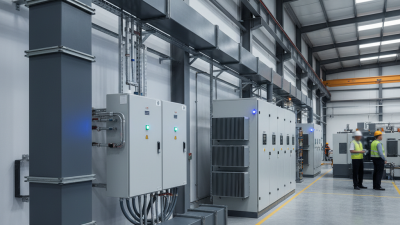
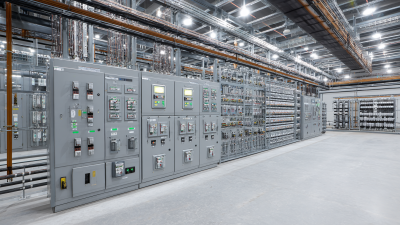
Applications of cast resin bus ducts are widespread. They are commonly found in data centers, manufacturing plants, and commercial buildings. Their durability ensures a long lifespan, reducing maintenance costs. However, installation can be complex. It’s crucial to ensure that the structure can handle the bus duct's weight and power demands.
Tip: Always consult with a professional for proper sizing and application. Proper installation plays a key role in performance.
Another challenge lies in adapting to evolving electrical needs. Modern infrastructures may require upgrades that existing systems can't accommodate. Keeping the system flexible and scalable is vital. This helps meet future demands without costly overhauls.
Tip: Regularly assess your electrical infrastructure to identify potential future needs. Early adjustments can save time and money.
Comparative Analysis of Cast Resin Bus Duct vs. Traditional Bus Duct Systems
When comparing cast resin bus duct systems to traditional options, several key differences emerge. Cast resin bus ducts are often more compact. They occupy less space than traditional systems. This is crucial in facilities with limited room. Additionally, they provide enhanced insulation. The resin material reduces the risk of electrical faults due to moisture or dust.
On the other hand, traditional bus ducts are simpler to install. Their installation may be more straightforward. However, they often require more maintenance over time. Cast resin systems tend to have a longer lifespan, which could save costs in the long run. Maintenance needs can sometimes sneak up on users. Regular checks and inspections are still vital.
Yet, the choice between these systems can be complicated. Environmental conditions play a significant role. For some facilities, traditional bus ducts might work better. In contrast, others may thrive with the advanced protection of resin materials. Evaluating the specific needs of a facility is essential. Every choice comes with its reflections and considerations.
Industry Standards and Safety Regulations for Cast Resin Bus Duct Implementation
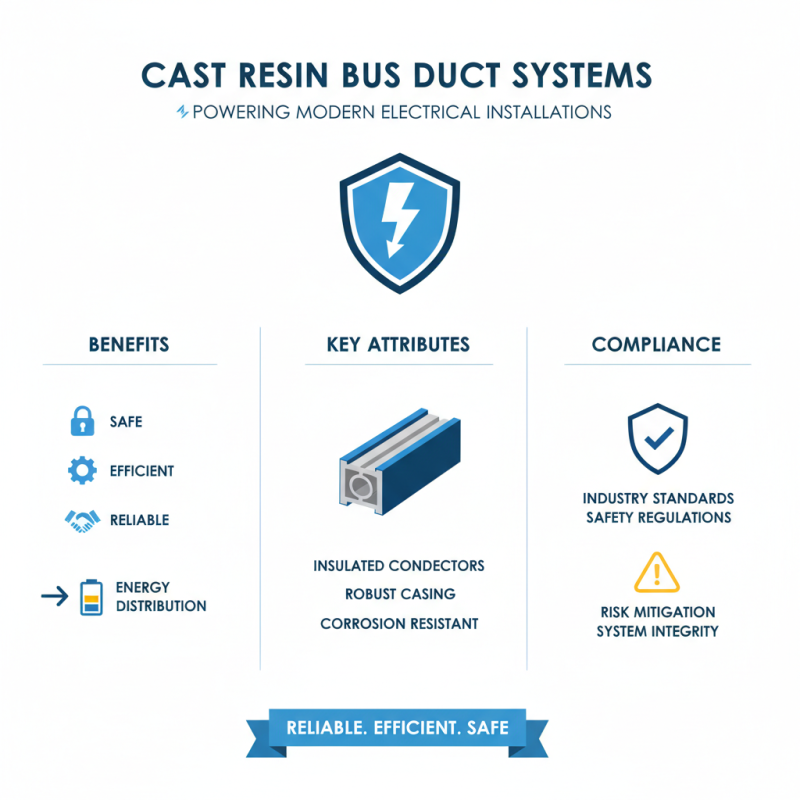
Cast resin bus duct systems are vital for modern electrical installations. They provide safe, efficient, and reliable energy distribution. However, their implementation must adhere to strict industry standards and safety regulations. These guidelines ensure the integrity and longevity of the systems, mitigating risks associated with electrical faults.
According to a report by the Electric Power Research Institute, improper installation can lead to failures in over 30% of electrical systems. This highlights the need for following the National Electrical Code (NEC) and the International Electrotechnical Commission (IEC) standards. These regulations govern everything from the materials used to the installation practices. For instance, a cast resin bus duct must meet specific thermal and mechanical properties to withstand operational stresses. This is crucial for preventing accidents and ensuring user safety.
Despite the established guidelines, compliance remains inconsistent across the industry. Many installations still overlook critical safety measures. The Occupational Safety and Health Administration (OSHA) underscores the importance of regular inspections and maintenance. Neglect can lead to severe consequences. Enhanced training programs for personnel can help bridge this gap. Continuous education on evolving standards is necessary for maintaining a safe working environment in electrical distribution systems.