Discover the Best Busway Trunking System from China Today
In today's fast-paced industrial landscape, the importance of an efficient Busway Trunking System cannot be overstated. The global busway market is projected to reach $9 billion by 2026, growing at a CAGR of approximately 5.3% from 2021. This highlights the rising demand for effective power distribution solutions in various sectors.
China, known for its advanced manufacturing capabilities, is the leading supplier of innovative busway systems. With cutting-edge technology and stringent quality control, Chinese manufacturers offer solutions that meet international standards. However, some users report challenges, such as installation complexities and maintenance requirements. These factors warrant careful consideration when selecting the ideal busway trunking system.
Ultimately, finding the right busway trunking system involves balancing reliability and performance with cost-effectiveness. By understanding industry trends and recognizing potential pitfalls, businesses can make informed decisions that enhance operational efficiency and safety.
Understanding Busway Trunking Systems: Definition and Functionality
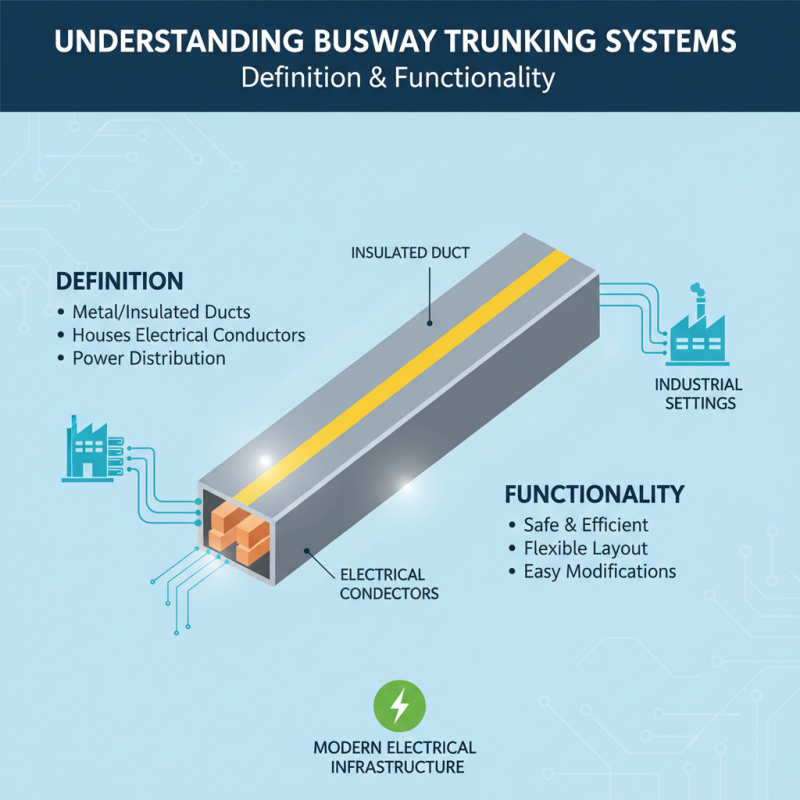
Busway trunking systems are crucial for modern electrical infrastructure. They provide a safe and efficient way to distribute power in commercial and industrial settings. These systems consist of metal or insulated ducts housing electrical conductors. They offer flexibility in layout and allow for easy modifications.
According to industry reports, the global busway market was valued at approximately $6 billion in 2022 and is projected to grow at a CAGR of around 5.5% through 2030. This growth highlights the increasing demand for reliable power distribution solutions. Moreover, busway trunking systems can lead to significant energy savings. They can reduce energy losses by up to 30% compared to traditional cabling.
However, there are challenges. Installing a busway system requires careful planning and design. Poor installation can lead to overheating and potential failures. Moreover, the compatibility of the busway with existing electrical systems is crucial. Efficient power distribution is vital, yet not all systems meet strict safety standards. A thorough analysis of operational needs is essential before selecting a busway trunking system.
Key Features and Benefits of Busway Trunking Systems
Busway trunking systems offer a practical solution for electrical distribution. They provide flexibility in design and installation. These systems consist of prefabricated channels that house electrical conductors. This allows for easy modifications and expansions during large-scale projects. The modular design makes installation faster and more efficient.
One notable feature is their improved safety. Busway trunking systems reduce the risk of electrical hazards. They limit contact with live conductors and offer robust insulation. Maintenance is simplified as well. Users can access electrical components without disrupting the entire system. This contributes to minimal downtimes.
However, not all installations go smoothly. Miscalculations in sizing or placement can lead to inefficiencies. Proper planning is key to maximizing their benefits. Users may overlook the importance of local codes and regulations. Each project has unique challenges that require thoughtful solutions. Emphasizing the characteristics of the chosen system can present hurdles if one isn't fully informed.
Comparative Analysis of Leading Busway Trunking Systems in China
When exploring busway trunking systems in China, comparative analysis reveals key differences among top models. According to recent industry reports, the market for busway systems is projected to grow by 8% annually through 2025. Each system's material and design can impact its efficiency and lifespan.
Tips: Consider heat dissipation when selecting a busway system. Materials with high conductivity can enhance performance.
Leading systems often differentiate in their integration capability. Systems with modular designs can support easy upgrades. However, not every system supports future modifications seamlessly. Evaluation of compatibility is crucial.
Additionally, safety ratings play a major role in system selection. Many top systems boast CE and UL certifications. It's vital to weigh these ratings against your specific needs and expectations.
Tips: Verify certifications from independent sources to ensure reliability.
Installation and Maintenance Considerations for Busway Trunking Systems
Busway trunking systems are vital for modern electrical distribution. Installation is crucial to ensure efficiency and safety. Proper alignment and securing help minimize risks.
According to market reports, the global busway market is expected to grow by 8% annually. This growth reflects the industry's adaptation to new technologies and increasing energy demands.
Maintenance can often be overlooked in installations. Regular inspections, especially on joints and fittings, are essential to prevent failures. Industry standards recommend checking for loose connections at least biannually. Additionally, some systems require cleaning to remove dust and debris.
Neglecting these tasks might lead to reduced performance or unexpected downtime.
The choice of materials impacts longevity and maintenance. Metal enclosures generally offer better durability than plastic options. However, metal may corrode over time, requiring coatings or special treatments. Understanding your environment is critical. External factors like humidity or temperature can affect the system's lifespan and operational safety.
Future Trends in Busway Trunking Technology and Innovations
The busway trunking system is evolving rapidly. According to recent market reports, the global busway trunking market is expected to grow at a compound annual growth rate (CAGR) of 7.5% from 2021 to 2028. This growth is largely driven by increasing demand for efficient power distribution in various sectors, including commercial and industrial applications. Innovations in design and materials are making these systems more efficient and reliable.
One notable trend is the shift toward modular designs. Modular busway systems allow for easier installation and flexibility. They enable quick expansions or modifications, catering to changing power demands. Innovations include enhanced thermal management features. Improved heat dissipation extends the lifespan of these systems. Furthermore, advancements in smart technology are introducing real-time monitoring capabilities. These features enhance reliability and reduce downtime, though integration can be complex.
However, the industry still faces challenges. While innovations abound, some systems struggle with interoperability. Compatibility between older infrastructure and new technologies can pose issues. The environmental impact of manufacturing processes also raises questions. Meeting sustainability targets remains imperative. As technology progresses, industry players must address these concerns while pushing innovation forward.