What are the Benefits of Cast Resin Bus Duct in Electrical Systems?
The modern electrical landscape is evolving, and efficiency is paramount. One solution gaining traction is the Cast Resin Bus Duct. This technology offers many advantages, providing enhanced reliability in electrical systems. Unlike traditional bus ducts, cast resin systems are more resistant to environmental factors.
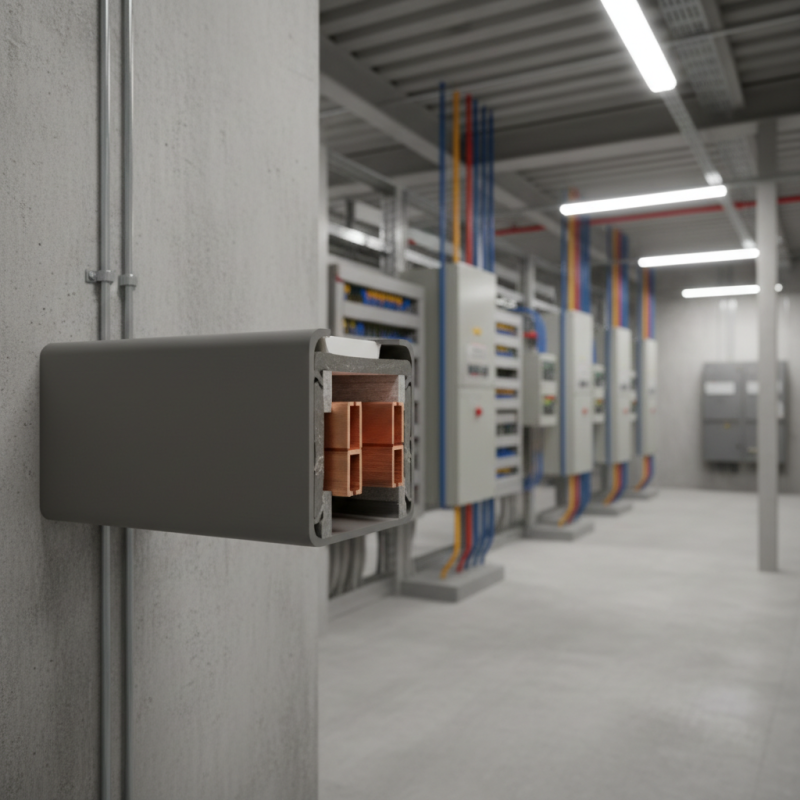
Cast Resin Bus Ducts are made of high-quality resin materials. They effectively insulate, protecting against moisture and dust. This durability contributes to longer service life, reducing downtime for maintenance. Moreover, the compact design optimizes space without compromising performance.
However, some challenges persist. Initial installation costs can be higher, which might concern budget-conscious managers. Understanding these trade-offs is vital for making informed decisions. Ultimately, the benefits of Cast Resin Bus Ducts warrant careful consideration in the pursuit of reliable electrical solutions.
Benefits of Cast Resin Bus Duct in Electrical Systems
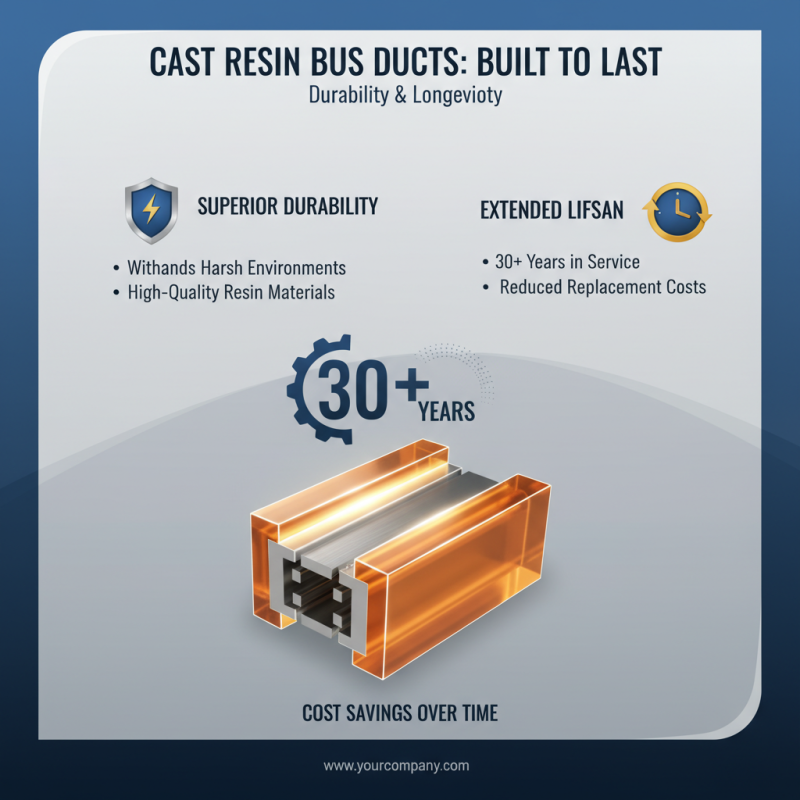
Cast resin bus ducts are increasingly popular in electrical systems due to their numerous benefits. They offer excellent insulation properties, which reduce energy loss. These ducts are also resistant to moisture, dust, and chemicals. This resistance enhances their lifespan, making them reliable for long-term use. They can perform well in harsh environments, ensuring consistent electrical performance.
The installation process for cast resin bus ducts is relatively straightforward. They require less maintenance compared to traditional metal bus ducts. This can save both time and cost for facility managers. However, the initial investment may be higher, making budgeting a crucial consideration. Users should weigh the upfront costs against their potential savings.
Adaptability is vital in electrical systems. Cast resin bus ducts can easily integrate with various applications. They are often used in commercial buildings and industrial facilities. Yet, some may find them less familiar than conventional options. It’s important to discuss these choices with an expert in electrical design. Overall, understanding the practical use of cast resin bus ducts can lead to informed decisions.
Enhanced Safety Features of Cast Resin Bus Duct
Cast resin bus ducts provide enhanced safety features that set them apart from traditional systems. These ducts are made from a durable resin material, which offers excellent insulation properties. This reduces the risk of electrical malfunctions significantly. In high-voltage environments, insulation failure is a major concern. Cast resin effectively mitigates this risk, ensuring safer operations.
Another critical aspect of cast resin bus ducts is their resistance to environmental factors. They are less vulnerable to moisture and dust compared to metal counterparts. This feature is particularly beneficial in industrial settings, where harsh conditions prevail. The ability to withstand temperature fluctuations contributes to operational reliability. However, users must ensure proper installation to maximize these benefits.
Despite their advantages, there's room for improvement in the design of these systems. Some installations may face challenges due to size constraints. Designers need to carefully assess space availability. Regular inspections are also vital to ensure optimal performance. Addressing these potential downsides can enhance the overall safety and effectiveness of cast resin bus ducts.
Benefits of Cast Resin Bus Duct in Electrical Systems
| Benefit |
Description |
Impact |
| Enhanced Safety |
Cast resin bus ducts are less prone to fire and provide better insulation. |
Reduces fire hazards and increases overall system safety. |
| Durability |
Resistant to humidity, dust, and corrosive environments. |
Longer equipment lifespan and less frequent replacements. |
| Compact Design |
Smaller footprint compared to traditional metal bus ducts. |
Saves space in electrical installations. |
| Lower Maintenance |
Minimal upkeep required due to robust materials used. |
Cost-effective over time with reduced maintenance costs. |
| Environmentally Friendly |
Manufactured with recyclable materials. |
Contributes to sustainability goals of projects. |
Improved Thermal Performance and Efficiency
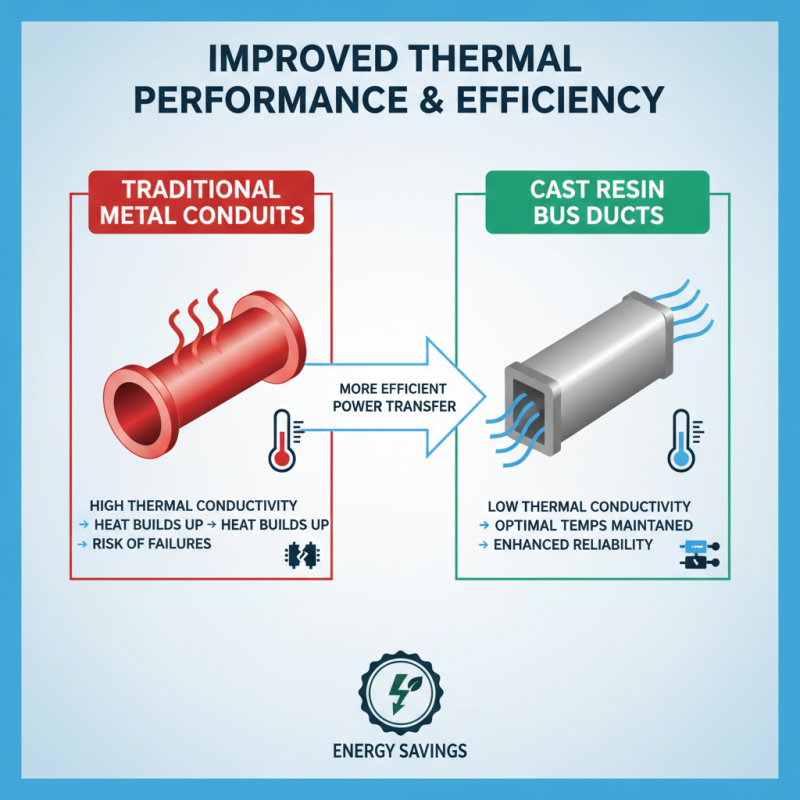
Cast resin bus ducts provide notable improvements in thermal performance and efficiency for electrical systems. Traditional metal conduits can lead to significant heat buildup, which is problematic. In contrast, cast resin materials exhibit low thermal conductivity. This property allows these ducts to maintain optimal operating temperatures, significantly reducing the likelihood of heat-related failures.
Moreover, the structure of cast resin bus ducts enhances system efficiency. They minimize energy losses due to lower resistance. This greater efficiency can contribute to reduced operational costs over time, making them a practical choice for industrial applications. However, not all projects may favor this option due to upfront costs. Some might find the initial investment challenging, especially in tight budgets.
The installation process of cast resin bus ducts also requires careful consideration. While they can be more straightforward than metal structures, skilled professionals are needed for optimal placement. Misalignment or improper installation can negate their benefits. Regular maintenance is necessary to ensure longevity, but this might be overlooked in some cases, leading to potential inefficiencies.
Cost-Effectiveness and Maintenance Advantages
Cast resin bus ducts are increasingly popular in electrical systems due to their cost-effectiveness and low maintenance requirements. A recent survey showed that these systems can reduce overall installation costs by up to 20%. This reduction is largely due to their compact design and lightweight materials, which simplify transportation and installation. Moreover, the ability to modularize these ducts allows for flexibility in design and future expansions, minimizing unexpected costs down the line.
Maintenance is another critical benefit. Cast resin bus ducts feature a robust design that is resistant to dust, moisture, and harsh environmental conditions. According to industry reports, facilities using these ducts experience up to 50% less maintenance downtime compared to traditional metal bus bars. This translates to fewer interruptions in operations, helping businesses avoid costly losses. Additionally, the materials used are typically non-corrosive, leading to a longer lifespan, which can significantly offset initial investment costs over time.
However, while the benefits are clear, it’s essential to consider the initial cost and the specific needs of the application. Some facilities may find that the upfront price can be higher than traditional systems. Careful assessment is crucial. The reliability of cast resin bus ducts often means fewer repairs, but they may not be suitable for every environment. Understanding the unique requirements of a facility is vital for maximizing the long-term advantages of this technology.
Benefits of Cast Resin Bus Duct in Electrical Systems
This chart illustrates the key benefits of using cast resin bus ducts in electrical systems. The scores reflect a subjective assessment of various advantages, highlighting cost-effectiveness, maintenance advantages, safety, durability, and efficiency.