2026 Best Bus Bar Solutions for Electrical Efficiency?
In the quest for enhanced electrical efficiency, bus bars play a crucial role. These conductive materials distribute power across multiple circuits. With the growing emphasis on energy conservation, selecting the right bus bar solution becomes essential.
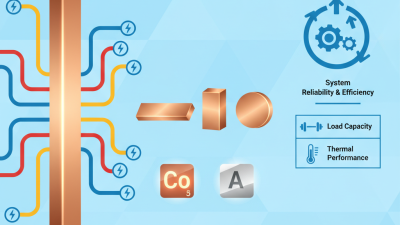
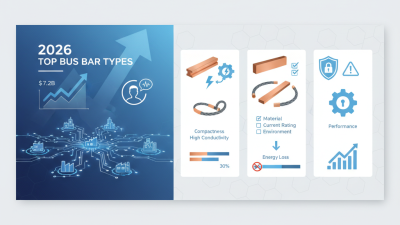
Innovative designs can lead to improved performance. Compact bus bar systems save space and reduce installation time. However, not all solutions are created equal. Businesses must assess the thermal performance and load capacity of these systems. Poor choices can lead to overheating and inefficiency.
As we explore the best bus bar solutions for 2026, it’s vital to consider both innovation and reliability. Balancing these factors may require thoughtful evaluation and some trial and error. Companies need to reflect on past implementations for better future outcomes.
Understanding Bus Bars: Definition and Function in Electrical Systems
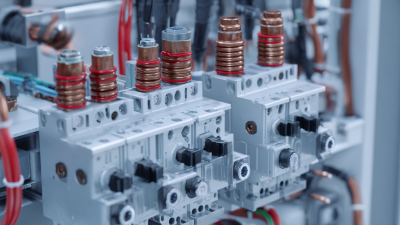
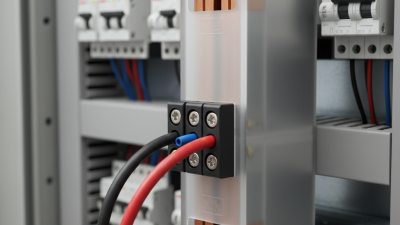
Bus bars play a vital role in electrical systems. They act as conductive pathways, connecting multiple circuits. This allows for efficient distribution of electricity. Understanding their definition and function can improve system performance.
Bus bars are typically made of copper or aluminum. They can vary in size and shape. Their design impacts the overall efficiency of a system. A poorly designed bus bar may cause power loss and reduce lifespan. It's crucial to choose the right materials and dimensions based on the needs of your system.
Tips: Always consider the current rating. Oversized bus bars may lead to unnecessary costs. On the other hand, undersized bars can overheat and fail. Regular inspections are key. They help identify wear or corrosion early. This proactive approach can save time and resources in the long run.
Key Characteristics of Efficient Bus Bar Designs
When designing efficient bus bars, several key characteristics come into play. First, conductor materials are crucial. High conductivity materials like copper and aluminum are common choices. They minimize power losses, but they also have weight implications. Finding the right balance is essential.
Tip: Always consider specific application needs. Different projects may require different materials. Testing options can lead to more effective setups.
Next, the bus bar's physical dimensions matter. Size impacts resistance and heat generation. A larger surface area improves heat dissipation, yet it can increase installation space. Overestimating needs might lead to waste. Careful planning can avoid this.
Tip: Use simulation tools to visualize heat flow. Understanding thermal dynamics can enhance design choices significantly.
Finally, insulation plays a pivotal role. It protects against short circuits and enhances safety. However, excessive insulation can hinder performance. Regular assessments can ensure that bus bar systems remain efficient and safe.
Tip: Schedule routine checks. Regular maintenance can uncover issues before they escalate, ensuring long-term efficiency.
2026 Best Bus Bar Solutions for Electrical Efficiency
| Bus Bar Material |
Thermal Conductivity (W/m·K) |
Current Rating (A) |
Efficiency (%) |
Environmental Resistance |
| Copper |
400 |
1000 |
98 |
High |
| Aluminum |
235 |
750 |
95 |
Moderate |
| Silver |
406 |
1200 |
99.5 |
Very High |
| Nickel |
90 |
600 |
90 |
Low |
| Tin |
66 |
400 |
85 |
Moderate |
Types of Bus Bars: Materials and Their Impact on Efficiency
When it comes to bus bars, the choice of materials significantly impacts electrical efficiency. Copper and aluminum are the most common. Copper offers excellent conductivity but can be costly. Aluminum is lightweight and less expensive but may require larger cross-sections to achieve the same efficiency as copper. Consider your project's budget and requirements before choosing.
Tips: Always evaluate the specific conditions of your application. This includes temperature, load, and installation space. A small mistake in material choice could result in heat loss or inefficiency.
The surface finish of bus bars also plays a critical role. Smooth surfaces reduce contact resistance and improve conductivity. However, imperfections can lead to hotspots. Regular inspections can mitigate this risk and improve overall performance.
Tips: Regularly check for signs of wear and oxidation. A clean, well-maintained bus bar will perform better in the long run. Don't overlook the importance of maintenance.
2026 Best Bus Bar Solutions for Electrical Efficiency
Best Practices for Installation and Maintenance of Bus Bars
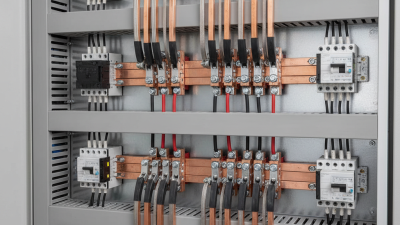
When installing bus bars, proper alignment is crucial. Misalignment can lead to poor connections and energy loss. Ensure secure mounting by following the manufacturer's guidelines. Use appropriate tools for installation to avoid damage. Over-tightening bolts can deform the bus bar, causing future issues. Keep a close eye on torque specifications.
Maintenance is just as important as installation. Regular inspections help identify wear and potential failures. Check for signs of corrosion or discoloration. These can indicate overheating or poor connections. Clean bus bars with appropriate methods to prevent dust accumulation. Improper cleaning techniques can cause surface damage.
Consider environmental factors. Temperature fluctuations and humidity levels impact bus bar performance. Ensure adequate ventilation to avoid overheating. Address any physical damage promptly. Neglecting these details may lead to decreased efficiency over time. Keeping good records of maintenance can help track performance trends and identify issues before they escalate.
Future Trends in Bus Bar Technologies for Enhanced Performance
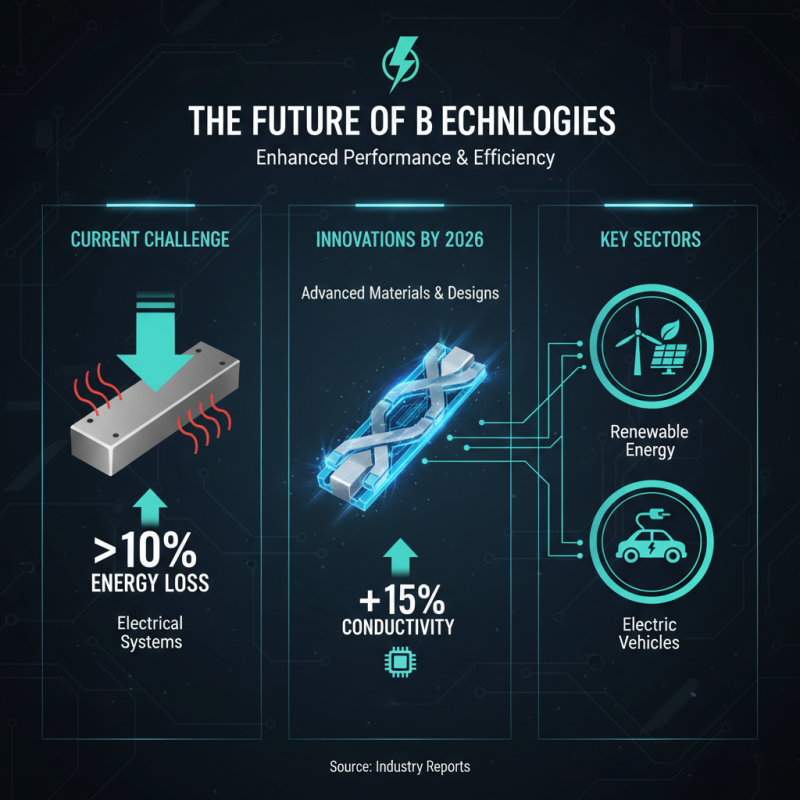
The future of bus bar technologies promises enhanced performance and efficiency. Industry reports indicate that energy loss in electrical systems can exceed 10%, making optimal bus bar design essential. By 2026, advanced materials and designs are projected to improve conductivity by over 15%. This is significant for various sectors, including renewable energy and electric vehicles.
Tips: Consider material selection carefully. Copper is still the standard, but aluminum is gaining traction due to its lower weight and cost. Regardless of the choice, proper testing methods are crucial to ensure reliability.
Moreover, integrating smart technologies into bus bars can provide real-time monitoring and diagnostics. Such features can help operators prevent failures and reduce maintenance costs. However, adopting these innovations can be complex. Many companies lack the expertise to implement these systems effectively.
Tips: Ensure your team receives proper training on emerging technologies. Regular updates can help mitigate skill gaps in your workforce. The transition may reveal unexpected challenges. A willingness to adapt is vital for success in this evolving landscape.